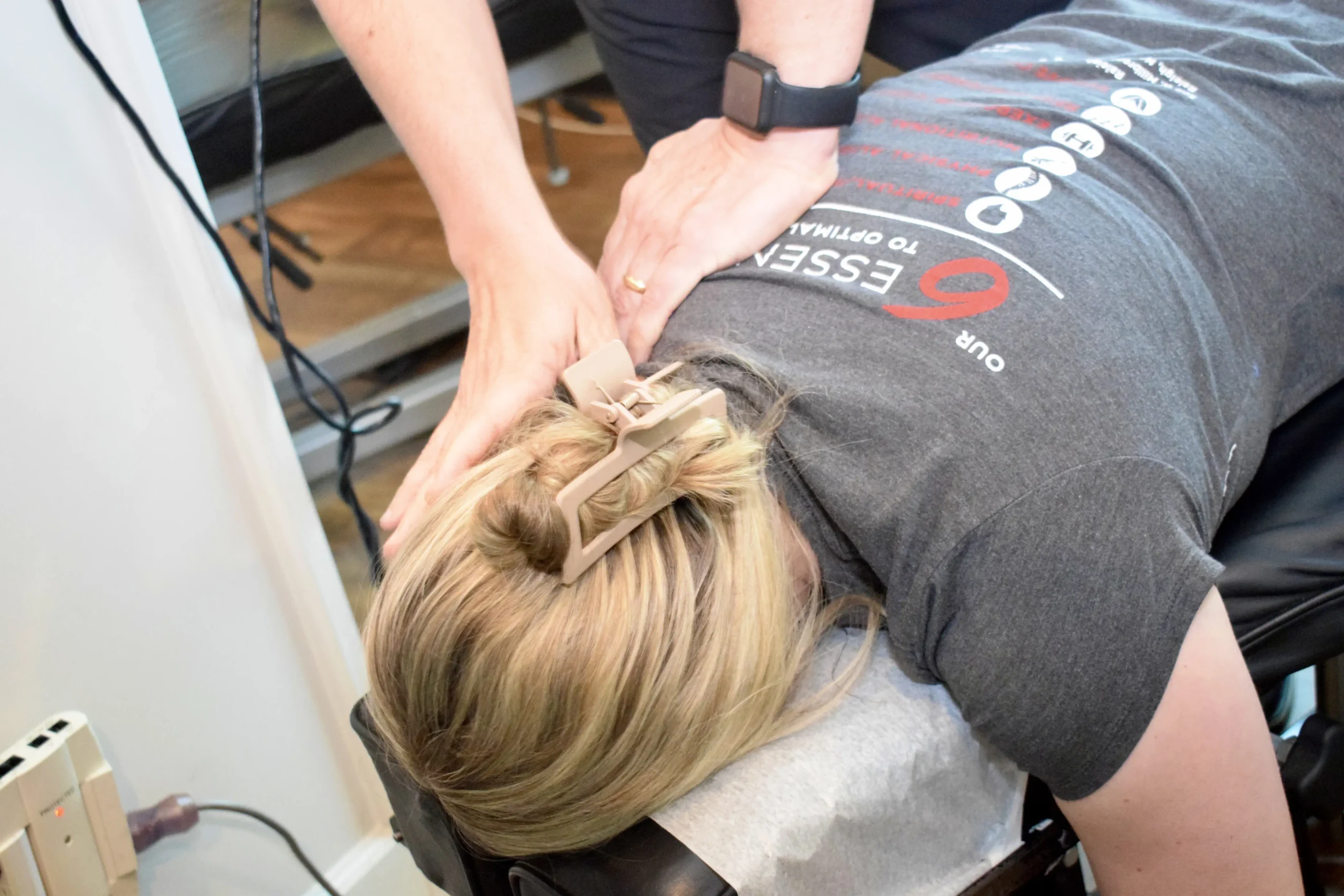
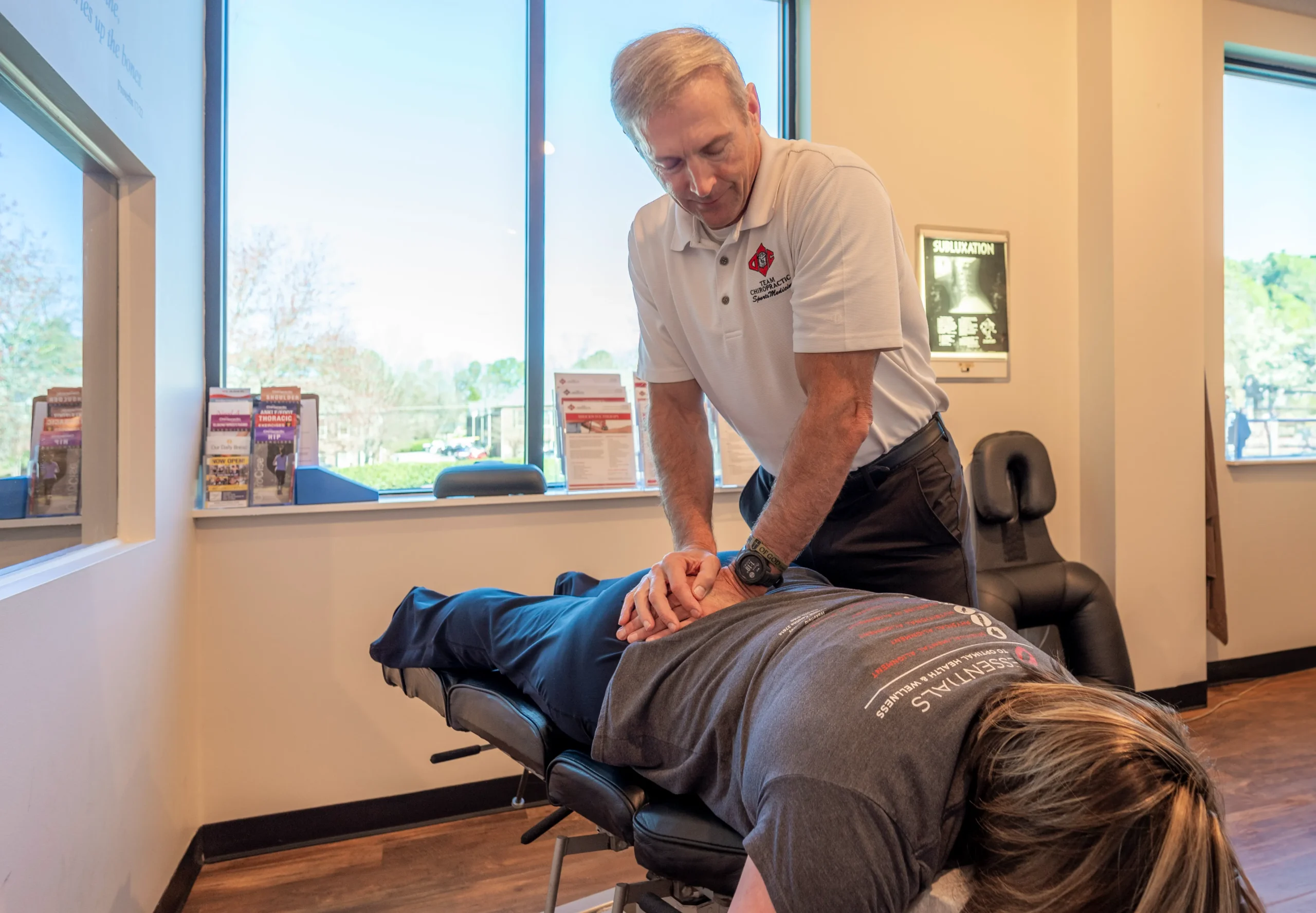
Weightlifting is one of the most effective ways to build strength, improve endurance, and enhance overall athletic performance. But like any high-intensity physical activity, it comes with a risk of injury. From minor strains to more serious issues like herniated discs or shoulder impingements, weightlifting injuries can derail your progress and impact daily life. Many athletes are turning to chiropractic care to recover faster, prevent reinjury, and improve long-term performance.
In this article, we explore how chiropractic care can help after weightlifting injuries, why it’s an essential part of athletic recovery, and what athletes should know to stay healthy and perform at their peak.
Understanding Common Weightlifting Injuries
Weightlifting injuries often result from poor technique, excessive load, repetitive stress, or insufficient warm-up and recovery. Common injuries include:
- Lower back strains and disc injuries: Heavy squats, deadlifts, and improper lifting can put extreme pressure on the lumbar spine, leading to muscle strains or herniated discs.
- Shoulder injuries: Overhead presses, bench presses, and improper form can cause rotator cuff tears, impingement, or shoulder instability.
- Knee injuries: Squats and lunges, especially under heavy load, can stress the knee ligaments, tendons, and meniscus.
- Wrist and elbow injuries: Repetitive lifts like bench presses, curls, and snatches can lead to tendonitis or joint strain.
- Neck and upper back pain: Heavy deadlifts or poor posture during lifts can create tension, misalignments, and nerve irritation.
While some injuries are acute, others develop over time due to repetitive strain or poor biomechanics. Regardless of the type, these injuries can limit mobility, reduce performance, and create long-term complications if left untreated.
Why Weightlifters Should Consider Chiropractic Care
Chiropractic care is not just for back pain—it’s a valuable tool for athletes seeking recovery, performance enhancement, and injury prevention. Here’s why weightlifters should consider a chiropractor:
1. Restoring Spinal Alignment
The spine is central to virtually every movement in weightlifting. Misalignments, even subtle ones, can alter biomechanics, reduce strength output, and increase injury risk. Chiropractors assess spinal alignment and apply precise adjustments to restore proper function, helping the spine and surrounding muscles work efficiently.
2. Reducing Muscle Tension and Pain
Weightlifting can create intense muscle tension, particularly in the back, shoulders, and neck. Chiropractors use soft tissue therapy, myofascial release, and trigger point therapy to release tight muscles, improve circulation, and reduce inflammation. This approach not only alleviates pain but also accelerates recovery after intense training sessions.
3. Improving Joint Mobility and Flexibility
Limited mobility is a common contributor to weightlifting injuries. Stiff joints in the shoulders, hips, or spine can force compensatory movements that strain other areas. Chiropractors perform joint mobilizations and adjustments to increase range of motion, allowing athletes to lift more safely and efficiently.
4. Promoting Nervous System Health
Every lift requires coordinated muscle activation controlled by the nervous system. Misaligned vertebrae or joint restrictions can irritate nerves, leading to decreased muscle function, delayed reaction times, and slower recovery. Chiropractic care helps optimize nervous system function, ensuring the body performs at its best.
5. Supporting Recovery with Personalized Exercise Plans
Chiropractors often provide rehabilitative exercises, stretching routines, and mobility drills to complement adjustments. For weightlifters, these plans target weak or underactive muscles, correct imbalances, and reduce the risk of reinjury.
Chiropractic Care for Specific Weightlifting Injuries
Lower Back Strains and Disc Injuries
The lumbar spine is particularly vulnerable during deadlifts and squats. Chiropractors assess spinal alignment, identify disc issues, and provide gentle spinal decompression and adjustments to reduce pressure on nerves. Soft tissue therapy for surrounding muscles further accelerates recovery and reduces pain.
Shoulder Injuries
Overhead presses and bench presses can strain the rotator cuff and shoulder joints. Chiropractors use adjustments and soft tissue therapy to restore proper alignment and function to the shoulder girdle. Rehabilitation exercises target rotator cuff strength, improving stability and preventing reinjury.
Knee and Lower Limb Injuries
Squats and lunges place stress on the knees and hips. Chiropractors may perform joint mobilizations to improve knee and hip alignment, addressing muscular imbalances that can exacerbate injury. Combined with strengthening exercises for the glutes, hamstrings, and quadriceps, this approach improves stability and reduces recurrence risk.
Wrist and Elbow Strain
Tendonitis and joint irritation from curls, presses, and Olympic lifts can be addressed with soft tissue therapy, adjustments, and targeted mobility exercises. Chiropractic care ensures proper joint mechanics, reducing stress on tendons and improving grip strength.
Neck and Upper Back Pain
Cervical and thoracic spine issues can result from improper posture during lifts or excessive strain. Chiropractors use spinal adjustments and posture correction strategies to relieve nerve pressure, improve alignment, and enhance upper back and neck mobility.
The Role of Chiropractic in Athletic Performance
Chiropractic care isn’t just about injury recovery—it’s also about performance optimization. Proper spinal alignment, joint mobility, and nervous system function allow weightlifters to:
- Lift heavier and safer
- Increase speed and power output
- Maintain better form and technique
- Reduce fatigue and risk of overtraining
- Recover faster between workouts
By addressing the root causes of dysfunction, chiropractors help athletes reach their full potential while minimizing the risk of future injuries.
Preventing Weightlifting Injuries with Chiropractic Care
Prevention is always better than treatment. Regular chiropractic care can help weightlifters prevent injuries by:
- Maintaining spinal alignment
- Correcting muscular imbalances
- Improving joint range of motion
- Enhancing core stability and posture
- Providing individualized exercise and stretching plans
For serious athletes, proactive chiropractic care is a crucial component of an effective training program.
Integrating Chiropractic with Other Recovery Techniques
Chiropractic works best when combined with other recovery and wellness strategies:
- Nutrition and hydration: Supports tissue repair and reduces inflammation
- Massage therapy: Complements adjustments by relaxing tight muscles
- Physical therapy exercises: Reinforces proper movement patterns
- Adequate rest: Allows muscles and joints to heal
- K-Laser therapy or shockwave therapy: Can accelerate healing in soft tissue injuries
This integrative approach ensures comprehensive recovery and long-term athletic performance.
When to See a Chiropractor After a Weightlifting Injury
Athletes should consult a chiropractor as soon as possible after noticing:
- Persistent back, neck, shoulder, or joint pain
- Numbness, tingling, or radiating pain
- Reduced mobility or stiffness
- Muscle weakness or imbalance
- Recurrent pain that doesn’t improve with rest
Early intervention improves outcomes, reduces recovery time, and prevents chronic issues that could sideline your training.
What to Expect During a Chiropractic Visit
A typical chiropractic visit for a weightlifting injury may include:
- Comprehensive evaluation: Assessment of spinal alignment, posture, and joint function
- Diagnostic review: X-rays or imaging if necessary to identify injuries
- Spinal adjustments: Gentle manipulations to restore proper alignment
- Soft tissue therapy: Myofascial release or trigger point therapy to reduce tension
- Rehabilitation exercises: Targeted stretches and strength-building routines
- Lifestyle guidance: Advice on lifting technique, recovery strategies, and injury prevention
This multi-faceted approach ensures the athlete not only recovers but returns stronger and more resilient than before.
The Bottom Line
Weightlifting injuries are common, but they don’t have to derail your training or athletic goals. Chiropractic care offers a safe, natural, and effective way to recover from injuries, reduce pain, prevent reinjury, and optimize performance. By combining spinal adjustments, soft tissue therapy, rehabilitative exercises, and personalized recovery plans, chiropractors help athletes stay strong, flexible, and resilient.
Whether you’re a beginner weightlifter or a competitive athlete, consulting a sports chiropractor after an injury can make all the difference in your recovery timeline, long-term spinal health, and overall athletic success.
If you’ve recently experienced a weightlifting injury or are looking to optimize your performance, schedule a consultation with Team Chiropractic. Our experienced chiropractors in Raleigh and Wake Forest provide personalized care to help athletes recover faster, prevent injuries, and achieve peak performance safely. Don’t let injuries slow you down—take control of your recovery today.