
Custom Orthotics in Raleigh, NC
Team Chiropractic provides custom orthotic evaluations at our Raleigh office for patients experiencing recurring foot discomfort, heel or arch pain, uneven pressure, and movement concerns. Each recommendation is based on your symptoms, foot structure, footwear, activities, and individual assessment.
Get in Touch
What Are Custom Orthotics?
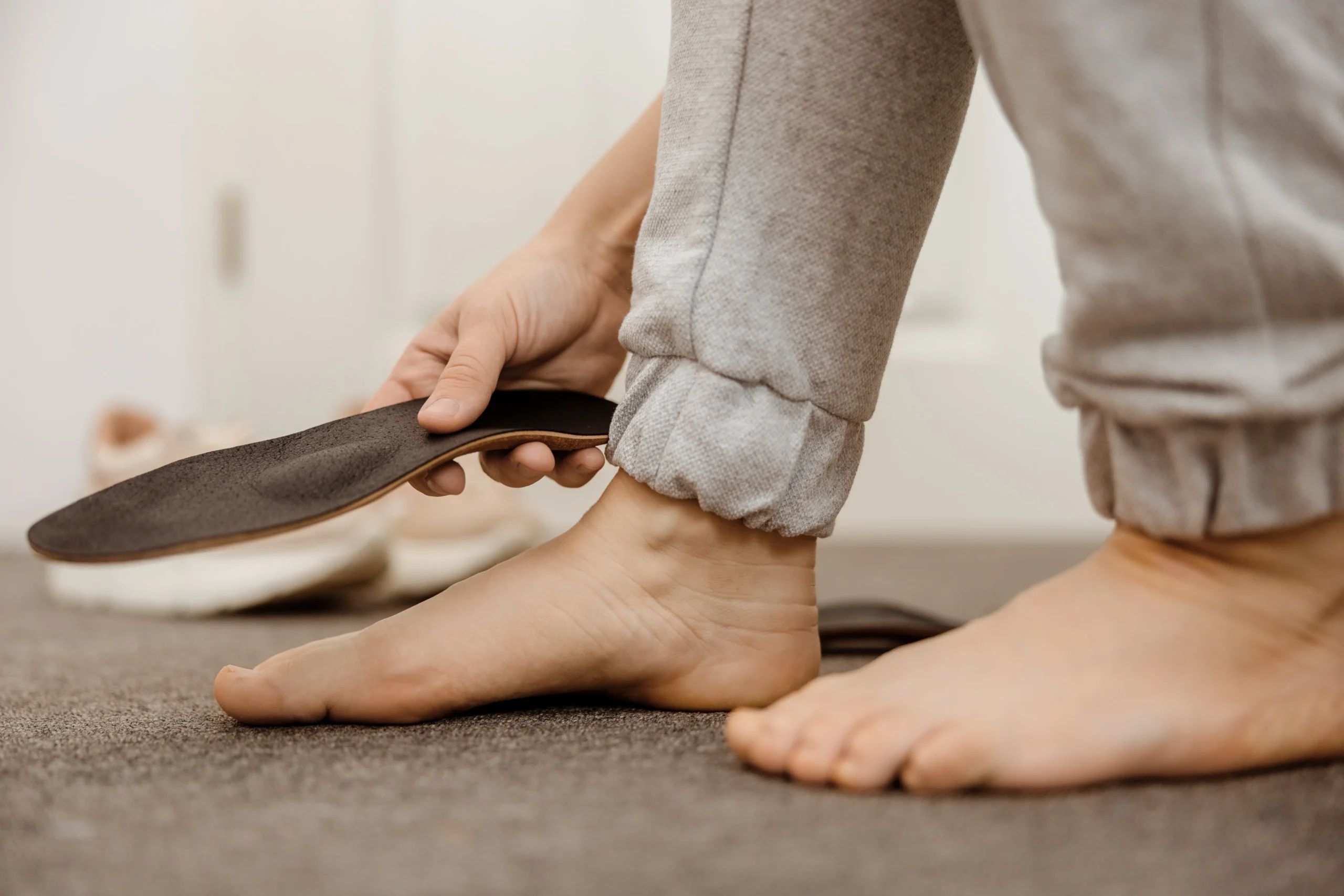
Custom orthotics are individually created devices worn inside your shoes to support your feet during standing, walking, work, exercise, and other daily activities. Unlike mass-produced insoles, they are designed using information gathered during an evaluation of your feet and movement.
A custom orthotic may be designed to:
- Support a particular area of the foot
- Redistribute pressure more comfortably
- Accommodate differences in foot structure
- Influence how the foot moves inside a shoe
- Provide cushioning in selected areas
- Support the arch or heel
- Complement care for certain foot or lower-body concerns
Custom does not mean that orthotics can correct every structural difference or eliminate every source of pain. Their purpose depends on your findings, symptoms, activity level, and the type of support being recommended.
At Team Chiropractic, orthotics are considered within the context of how you stand, walk, exercise, and use your footwear—not simply the appearance of your arches.
Signs You May Benefit From Additional Foot Support
Foot discomfort can have many possible causes, and not everyone needs custom orthotics. However, an evaluation may be useful when symptoms repeatedly return or interfere with standing, walking, exercise, or work.
Signs worth discussing include:
- Recurring heel pain: Discomfort is most noticeable during your first steps, after sitting, or following extended activity.
- Arch pain or fatigue: Your arches feel sore, tired, or strained after standing or walking.
- Uneven shoe wear: One side of a shoe wears down more quickly, or the soles show noticeably different patterns.
- Foot discomfort during work: Standing or walking throughout the workday repeatedly aggravates your symptoms.
- Pain during exercise: Running, court sports, lifting, or other activities produce recurring foot or lower-leg discomfort.
- Instability: Your feet or ankles feel less stable during walking, exercise, or changes in direction.
- Difficulty finding comfortable shoes: Shoes that otherwise fit correctly still create pressure or discomfort.
- Symptoms that return after replacing inserts: Over-the-counter cushions help briefly but do not provide consistent support.
- Lower-body discomfort associated with activity: Knee, hip, or lower-back symptoms appear alongside changes in how you walk or load your feet.
These signs do not prove that orthotics are the right solution. Your symptoms may involve footwear, training, an injury, joint movement, nerve irritation, or another medical concern that requires a different approach.
Concerns Custom Orthotics May Address
Plantar Fasciitis and Heel Pain
Flat Feet and Arch Discomfort
Ankle, Knee, or Hip Strain
Sports and Repetitive-Use Concerns
How Your Feet Can Affect Movement Above Them
Your feet are the point where your body interacts with the ground during standing, walking, running, and many forms of exercise. Changes in foot position or pressure can influence how force travels through the ankles, knees, hips, and lower back.
This does not mean that every knee, hip, or back problem begins in the feet. Pain may involve an injury, joint condition, muscle weakness, nerve irritation, workload, training changes, or several factors at once.
An orthotic evaluation should therefore consider more than arch height. Your doctor may look at:
- How your feet contact the ground
- How pressure appears to move through each foot
- Whether one side functions differently from the other
- How the ankles, knees, and hips move during walking
- Which shoes you use for work and exercise
- Whether symptoms change with different activities or footwear
- Previous lower-body injuries or surgeries
Orthotics may be appropriate when foot support appears relevant to the overall movement pattern. When another area requires more direct attention, your chiropractor may recommend additional care or referral.
Custom Orthotics vs. Store-Bought Inserts
Store-bought inserts are mass-produced products designed to provide general cushioning or support. They may be useful for someone who wants additional comfort and does not have a significant foot condition or complex medical history.
Custom orthotics are created for an individual after an evaluation. Information about foot structure, movement, symptoms, footwear, and intended use helps determine how the device should be designed.
Key differences may include:
- Evaluation: Store-bought inserts can be purchased without an examination. Custom orthotics begin with an individualized assessment.
- Fit: Retail inserts are produced in standard sizes. Custom devices are created using measurements or scans of your feet.
- Purpose: Some inserts primarily add cushioning. Custom orthotics may be designed to support, accommodate, or influence particular areas based on your findings.
- Materials: Both types are available in different materials, but custom devices can be selected according to the support, flexibility, or cushioning needed.
- Footwear: A custom device can be designed with particular shoes and activities in mind, although one pair may not fit every shoe.
- Cost: Custom orthotics typically cost more because they involve evaluation, individualized fabrication, fitting, and follow-up.
- Adjustments: A custom device may be modified when fit or pressure issues arise.
A custom option is not automatically necessary or better for every person. If an inexpensive insert provides adequate comfort and support, a custom device may not be needed. Persistent pain, medical conditions, or repeated problems deserve professional evaluation rather than continued experimentation with different products.
How Team Chiropractic Evaluates You
Symptoms and Activity History
We review where discomfort occurs, when it began, what aggravates it, and how it affects work, exercise, or daily movement.
Foot and Arch Assessment
Your doctor may evaluate arch structure, heel position, tenderness, mobility, and how your feet respond while standing.
Walking and Movement Review
Walking and other relevant movements may be observed to identify pressure or movement patterns connected to your symptoms.
Footwear and Support Review
We consider the shoes and inserts you currently use, where they show wear, and whether they fit the activities you perform.

The Custom Orthotics Process
Evaluation and Recommendations
Foot Scanning and Measurements
Individual Fabrication
Fitting and Follow-Up
Choosing Shoes for Custom Orthotics
Even a well-designed orthotic must fit properly inside the shoe. Shoes that are too narrow, shallow, flexible, or worn down may affect comfort and how the device functions.
When selecting or reviewing footwear:
- Bring the shoes you wear most often. Include work shoes, athletic shoes, boots, or other footwear connected to your symptoms.
- Look for removable insoles. Removing the original liner may create the depth needed for an orthotic.
- Check heel stability. The back of the shoe should hold your heel comfortably without excessive slipping.
- Allow enough width and depth. Your toes and forefoot should not feel compressed after the orthotic is inserted.
- Match the shoe to the activity. Running, standing at work, court sports, and casual walking place different demands on footwear.
- Inspect worn shoes. A compressed or unevenly worn shoe may not provide an appropriate base for a new orthotic.
- Do not assume one pair fits every shoe. Dress shoes, cleats, boots, and athletic shoes may require different device profiles.
- Test the complete setup. The shoe and orthotic should be evaluated together rather than as separate products.
Do not purchase new footwear solely for orthotics until you understand the recommended size, depth, and style. Bringing several existing pairs to your appointment can help determine which ones may work.
Services That May Complement Custom Orthotics
Chiropractic Adjustments
Chiropractic adjustments use controlled movements to address restricted joints and support mobility. They may be considered when foot concerns occur alongside relevant restrictions in the ankles, knees, hips, pelvis, or spine.
Soft Tissue Release
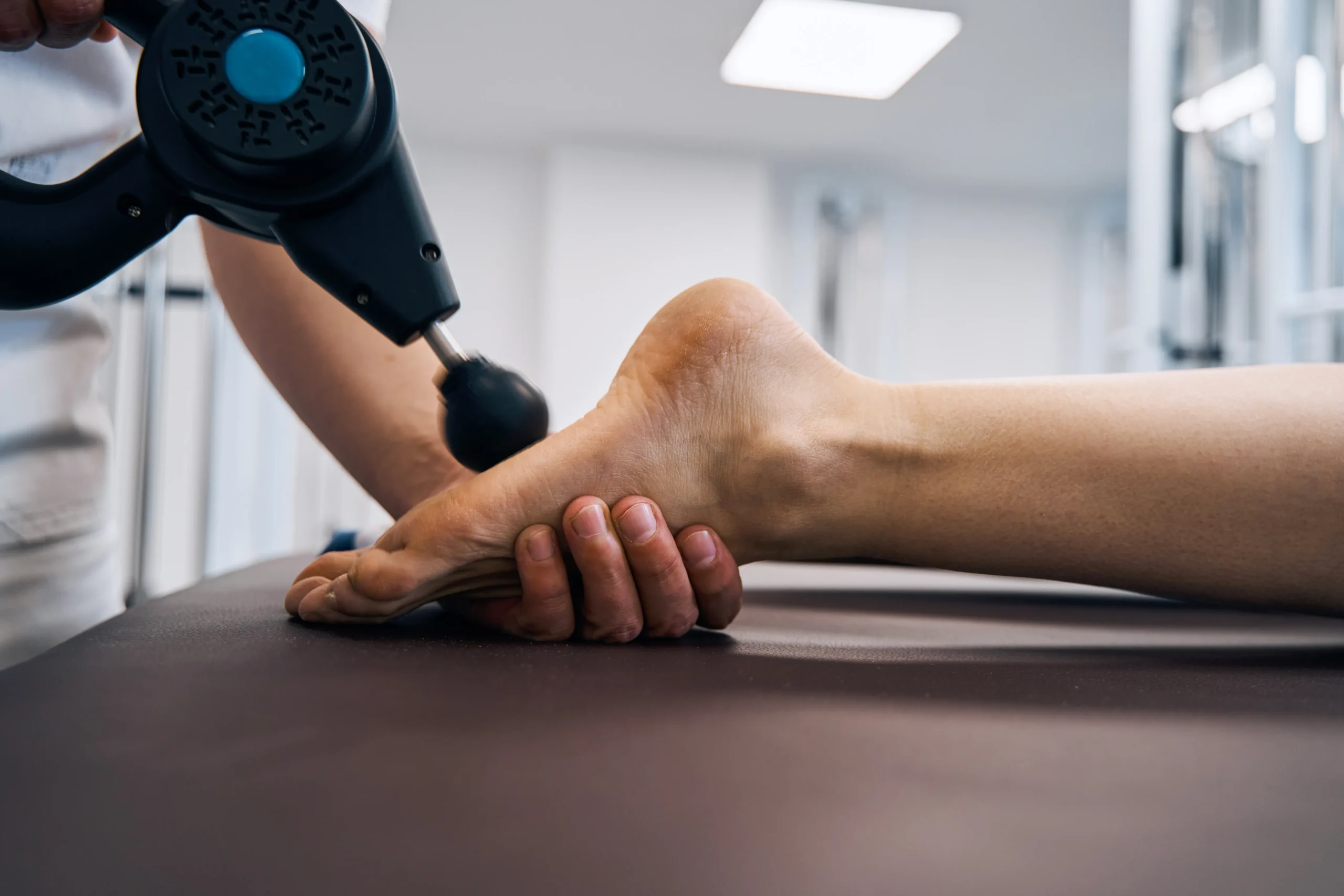
Soft tissue release uses targeted manual techniques to address muscular tension and restricted movement. It may complement orthotics when tight or irritated tissues in the feet, lower legs, or connected areas are contributing to discomfort.
K-Laser Therapy
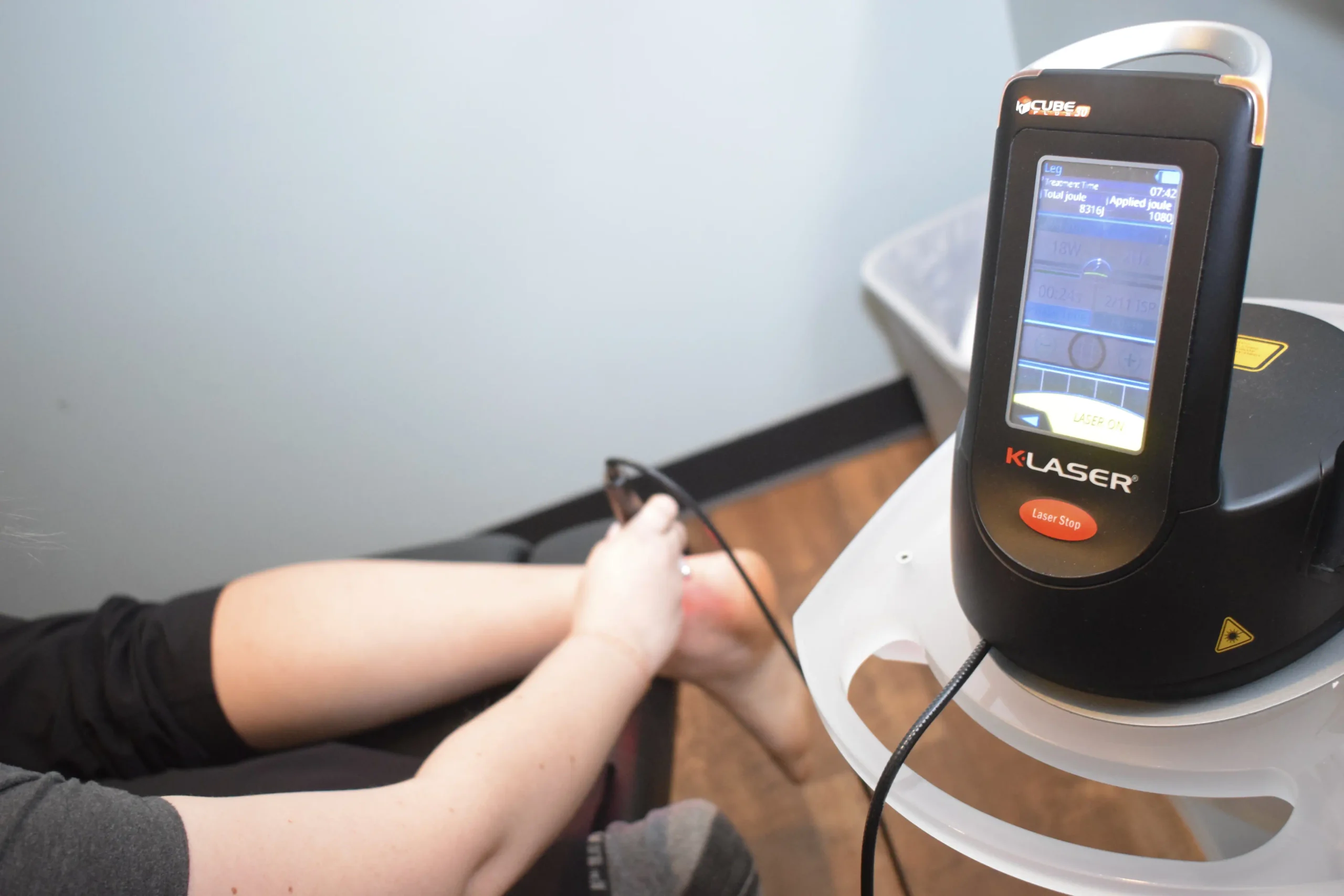
K-Laser therapy uses therapeutic light energy as a supportive treatment for selected musculoskeletal concerns. Your chiropractor will determine whether it may appropriately complement foot support or another part of your care.
Shockwave Therapy
Shockwave therapy applies acoustic energy to selected soft-tissue concerns. It may be considered for certain persistent foot or connective-tissue problems when the patient’s evaluation supports its use.
Breaking In Your Custom Orthotics
Custom orthotics can change how pressure feels inside your shoes, so your feet and surrounding tissues may need time to adapt. Your doctor should provide a wear schedule based on the device, your symptoms, and the activities for which it was designed.
Many patients begin by wearing their orthotics for shorter periods and gradually increase use. Do not immediately wear a new pair for an entire workday, long run, tournament, or other demanding activity unless your provider has specifically advised you to do so.
Mild awareness of pressure or temporary muscle fatigue can occur during the adjustment period. Sharp pain, increasing discomfort, persistent numbness, blistering, skin irritation, or a concentrated pressure point should not be ignored.
If the orthotics remain uncomfortable:
- Confirm that they are positioned correctly
- Try them in the shoes used during the fitting
- Check that the original insole was removed when instructed
- Reduce wear time rather than pushing through pain
- Contact the office to discuss fit or possible modifications
Patients with diabetes, reduced sensation, circulation problems, a history of foot ulcers, or fragile skin should receive appropriate medical or podiatric guidance and monitor their feet carefully.
Using Orthotics for Work, Exercise, and Everyday Life
Orthotics should be designed around how you actually spend your time. A person who stands on a hard floor throughout the workday may need different support from someone using orthotics primarily for running or casual walking.
Common uses include:
- Standing occupations: Healthcare, retail, education, manufacturing, food service, and other jobs may involve long periods on hard surfaces.
- Walking and everyday activity: Orthotics may provide support during errands, commuting, travel, and general daily movement.
- Running and fitness: Device design should account for the shoe, training volume, surface, and movements involved.
- Court and field sports: Cutting, acceleration, and repeated changes in direction create different demands than straight-line walking.
- Work boots: Boots may provide more room for orthotics, but the device must still fit without crowding the foot.
- Dress shoes: Lower-profile devices may be necessary because these shoes often have less depth.
- Recovery from overuse: Orthotics may be one part of a broader plan that also addresses workload, footwear, mobility, strength, and recovery.
Orthotics are not a replacement for appropriate training progression, well-fitting shoes, injury rehabilitation, or medical treatment. Their role should be explained as part of your complete care plan.
Conditions Related to Foot Mechanics and Movement
Joint Pain
Foot and ankle movement may influence how force is managed through the knees and hips. Team Chiropractic evaluates the painful joint directly rather than assuming that every joint concern originates in the feet.
Back Pain
Lower-back discomfort can have many causes, including joint, disc, muscular, nerve, injury, and activity-related factors. Orthotics may be considered only when foot mechanics appear relevant to the broader movement pattern.
Bad Posture and Movement Strain
Standing habits, footwear, work demands, and repetitive positions may influence how the body manages physical stress. Support recommendations should be combined with practical movement and activity guidance when appropriate.
Sports Injuries
Running, jumping, cutting, and repetitive training can affect the feet and lower body. Orthotics may support selected athletes, but an injury still requires evaluation of the involved tissues, workload, footwear, and return-to-activity needs.
Why Choose Team Chiropractic for Custom Orthotics?
Individual Evaluation
Recommendations are based on your symptoms, foot structure, movement, activities, and footwear rather than a standard insert.
Foot Scanning and Measurements
Information collected from your feet helps guide the design and fabrication of your custom orthotics.
Broader Care Options
When appropriate, orthotics may be combined with adjustments, soft tissue care, shockwave therapy, or K-Laser therapy.
Fitting and Follow-Up
Our Raleigh team can review fit, shoe compatibility, break-in concerns, and whether modifications may be needed.
Schedule Today!
Tuesday: 7:30AM–12PM & 3PM–6PM
Wednesday: 7:30AM–12PM
Thursday: 7:30–12PM & 3PM–6PM
Friday: 7:30AM–12PM
Saturday & Sunday: Closed
What are custom orthotics?
Custom orthotics are individually fabricated devices worn inside shoes to support or accommodate the feet. Their design is based on an evaluation, measurements or scans, symptoms, footwear, activities, and intended use.
How are custom orthotics different from store-bought inserts?
Store-bought inserts are mass-produced to provide general cushioning or support. Custom orthotics are created for an individual after an evaluation and may be designed to address specific support, pressure, fit, or movement needs.
Does everyone with flat feet need custom orthotics?
No. Many people have flat feet without pain or functional limitations. Orthotics may be considered when foot structure is accompanied by discomfort, fatigue, instability, or difficulty with activities.
Can custom orthotics help plantar fasciitis?
Orthotics may be used as one part of conservative care for plantar fasciitis by supporting the foot or changing pressure on the plantar fascia. Appropriate treatment depends on the cause, severity, duration, and examination findings.
Can orthotics help knee, hip, or back pain?
They may be considered when foot mechanics appear connected to a broader movement pattern. Knee, hip, and back pain have many possible causes, so these areas should be evaluated directly rather than assuming orthotics will resolve the problem.
What happens during an orthotics evaluation?
The evaluation may include a discussion of your symptoms, health history, work, exercise, shoes, and existing inserts. Your doctor may also assess foot structure, standing position, walking, joint movement, tenderness, and relevant lower-body mechanics.
Should I bring shoes to my appointment?
Yes. Bring the shoes you wear most often for work, exercise, and daily activity. Reviewing the shoes helps determine whether they can accommodate an orthotic and whether their wear patterns provide useful information.
How long does it take to receive custom orthotics?
The timeline depends on when scanning or measurements are completed, the fabrication process, shipping, and whether modifications are needed. The Raleigh office can provide a more specific estimate during your appointment.
Do custom orthotics require a break-in period?
Many people are advised to increase wear time gradually as their feet adjust to the devices. Follow the schedule provided and contact the office if you experience sharp pain, persistent numbness, blistering, or concentrated pressure.
Can I use one pair of orthotics in multiple shoes?
Sometimes, but the shoes must have enough width and depth to accommodate the devices safely. Athletic shoes, work boots, dress shoes, and cleats may fit differently or require different orthotic profiles.
How long do custom orthotics last?
Lifespan varies according to the materials, frequency of use, body weight, activities, footwear, and how the devices are maintained. Orthotics should be reevaluated when they become visibly worn, stop fitting correctly, or no longer provide appropriate support.
Does insurance cover custom orthotics?
Coverage varies by insurance carrier and plan. Contact your insurer and the Team Chiropractic office before proceeding to ask about eligibility, documentation requirements, deductibles, and expected out-of-pocket costs.
When should foot pain receive medical or podiatric evaluation?
Seek appropriate medical or podiatric care for severe pain, suspected fracture, sudden swelling, open wounds, signs of infection, significant numbness, circulation concerns, or foot problems associated with diabetes. Team Chiropractic can also recommend referral when your findings fall outside the appropriate scope of chiropractic care.
Are custom orthotics available at both Team Chiropractic offices?
The current custom orthotics service is provided through Team Chiropractic’s Raleigh office on West Millbrook Road. Contact the office before scheduling to confirm evaluation, scanning, fitting, and follow-up availability.