
Spinal Decompression Therapy in Raleigh & Wakefield, NC
Team Chiropractic provides non-surgical spinal decompression therapy for selected patients experiencing disc-related lower-back pain, sciatica, radiating leg symptoms, and other spinal concerns. Every recommendation begins with an evaluation to determine whether decompression is appropriate for your condition.
Get in Touch
What Is Spinal Decompression Therapy?
Spinal decompression therapy is a form of motorized traction that applies controlled pulling forces to the spine. A specialized table gradually alternates between traction and relaxation while the patient remains supported in a comfortable position.
Depending on your examination findings, decompression may be used to:
- Temporarily reduce mechanical loading on parts of the lumbar spine
- Provide a controlled stretch to spinal joints and surrounding tissues
- Address certain patterns of disc-related back or leg pain
- Support movement when discomfort has limited normal activity
- Complement other appropriate forms of conservative care
Spinal decompression is not surgery, an injection, or a chiropractic adjustment. It also does not physically “put a disc back into place.” The purpose is to provide carefully controlled traction as part of an individualized plan—not to guarantee that every back condition can be corrected.
Because lower-back pain and radiating symptoms have many possible causes, Team Chiropractic evaluates each patient before recommending treatment.
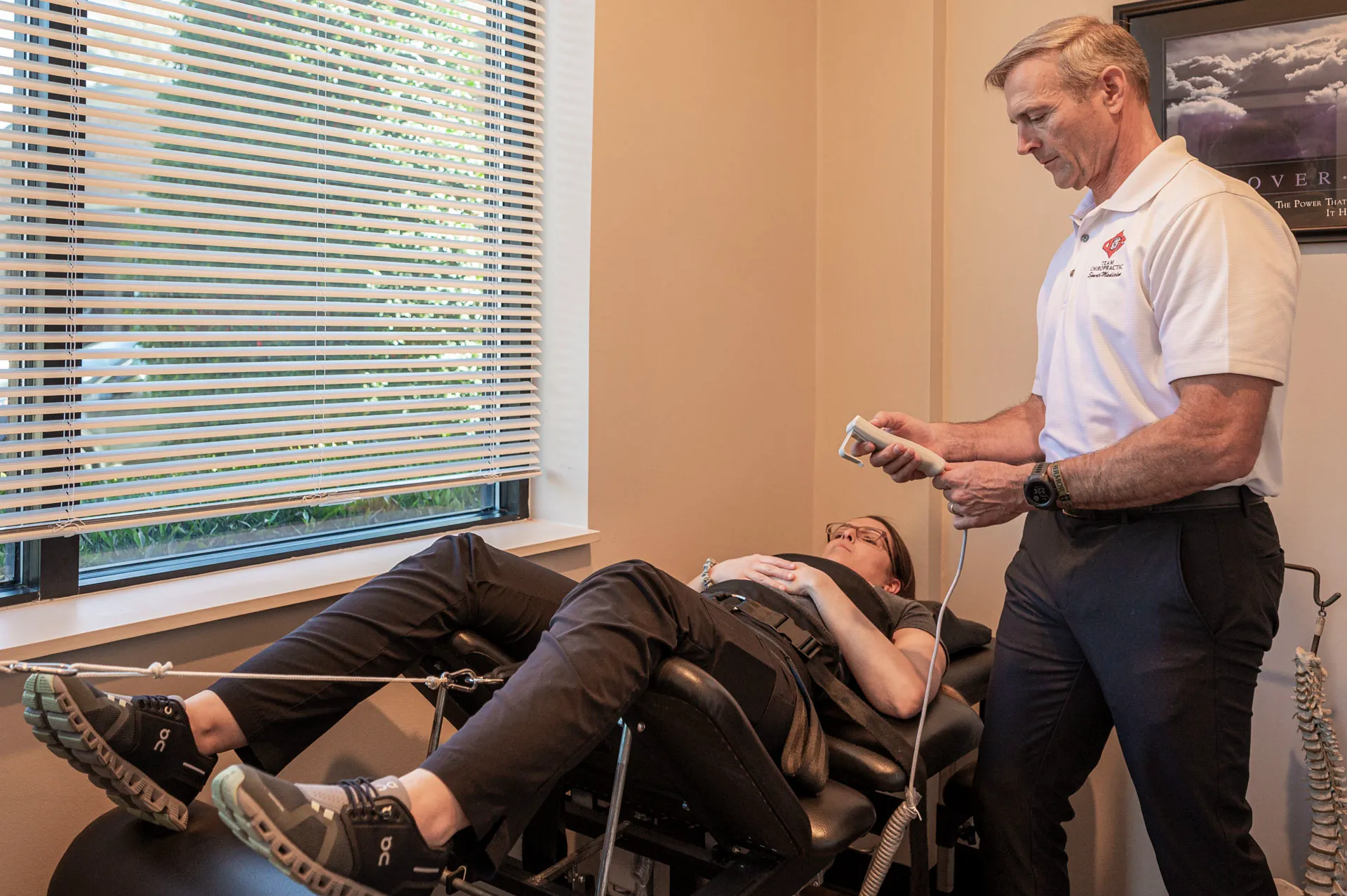
Conditions Evaluated for Spinal Decompression Therapy
Sciatica and Radiating Leg Symptoms
Sciatica commonly describes pain that travels from the lower back or buttock into a leg. Because radiating pain can result from several different conditions, Team Chiropractic evaluates whether nerve irritation, a disc concern, joint restriction, muscle involvement, or another factor may be contributing.
Disc-Related Lower-Back Pain
Some patients experience lower-back pain that worsens with sitting, bending, lifting, or remaining in one position. Spinal decompression may be considered when the history and examination suggest that changing mechanical forces on the lumbar spine could be useful.
Herniated or Bulging Discs
A spinal disc may protrude beyond its usual boundary or develop a herniation that irritates nearby tissues. Some disc changes cause no symptoms, while others are associated with lower-back pain, leg pain, numbness, tingling, or weakness. Decompression may be considered when the symptom pattern and examination findings suggest a disc-related concern.
Degenerative Disc Changes
Spinal discs naturally change with age, but imaging findings do not always explain a patient’s pain. When degenerative changes occur alongside a compatible symptom pattern, decompression may be considered as one part of conservative care rather than as a way to reverse normal aging.
How Non-Surgical Spinal Decompression Works
Supported Positioning
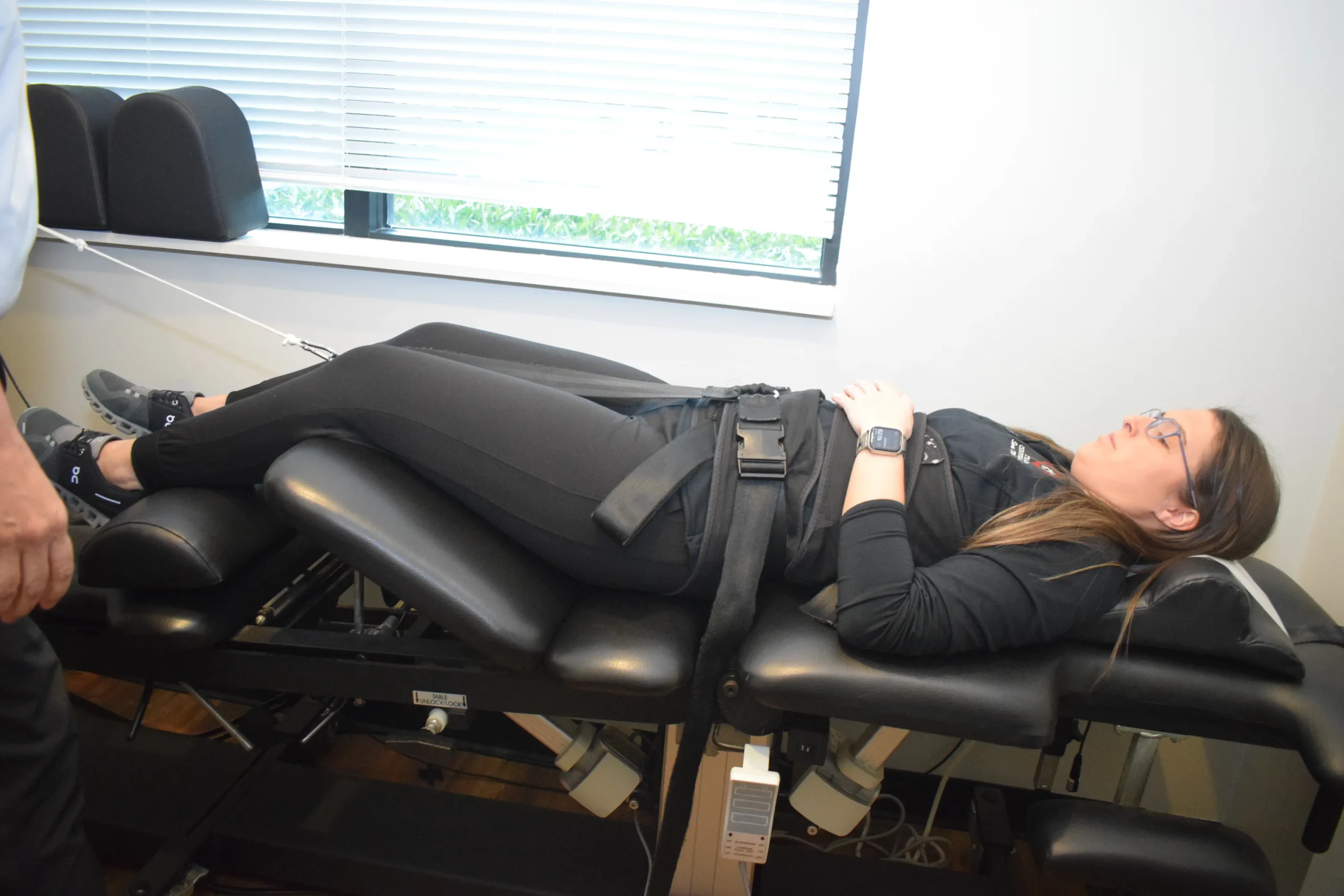
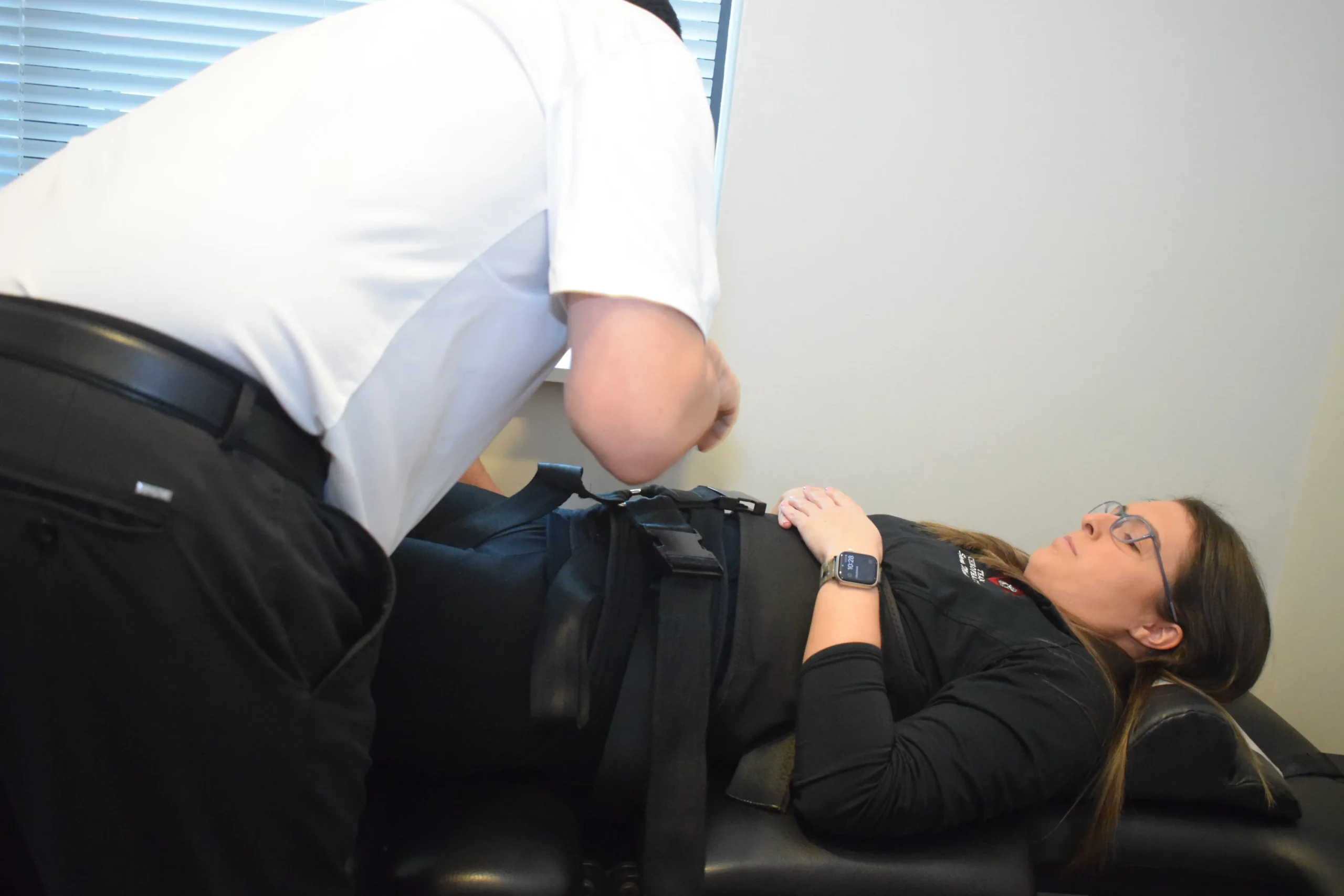
The patient remains supported on the table while a harness helps direct the traction toward the intended area of the lower spine.
Controlled Traction Cycles
The table gradually alternates between pulling and relaxation phases rather than applying one continuous, uncontrolled force.
Personalized Settings
Force, angle, duration, and progression are selected according to the patient’s evaluation and response—not from one standard protocol.
Ongoing Monitoring
The doctor tracks symptoms during and between sessions and may change or discontinue treatment if the response is not appropriate.
What Does Spinal Decompression Feel Like?
During treatment, you will usually lie on the decompression table while a harness supports your pelvis and trunk. As traction begins, you may notice a gradual pulling or stretching sensation through the lower back. The force should build and release in a controlled manner rather than feeling like a sudden tug.
Many patients find the position comfortable, but decompression should not be assumed to be painless for everyone. Tightness, pressure, or mild temporary soreness may occur, particularly when the back has been sensitive or movement has been limited.
Tell the doctor immediately if treatment causes sharp pain, increasing numbness, new tingling, cramping, or symptoms that begin traveling farther into the leg. The settings can be adjusted, the session can be stopped, or another approach can be considered.
Your experience during the session is only one part of the evaluation. Team Chiropractic will also want to know how you feel later that day, during normal activity, and before your next appointment.
Spinal Decompression vs. Traction and Inversion Tables
Non-surgical spinal decompression is a specialized form of motorized traction. Although the terms are sometimes marketed as completely different treatments, both approaches use pulling forces intended to change mechanical loading on the spine.
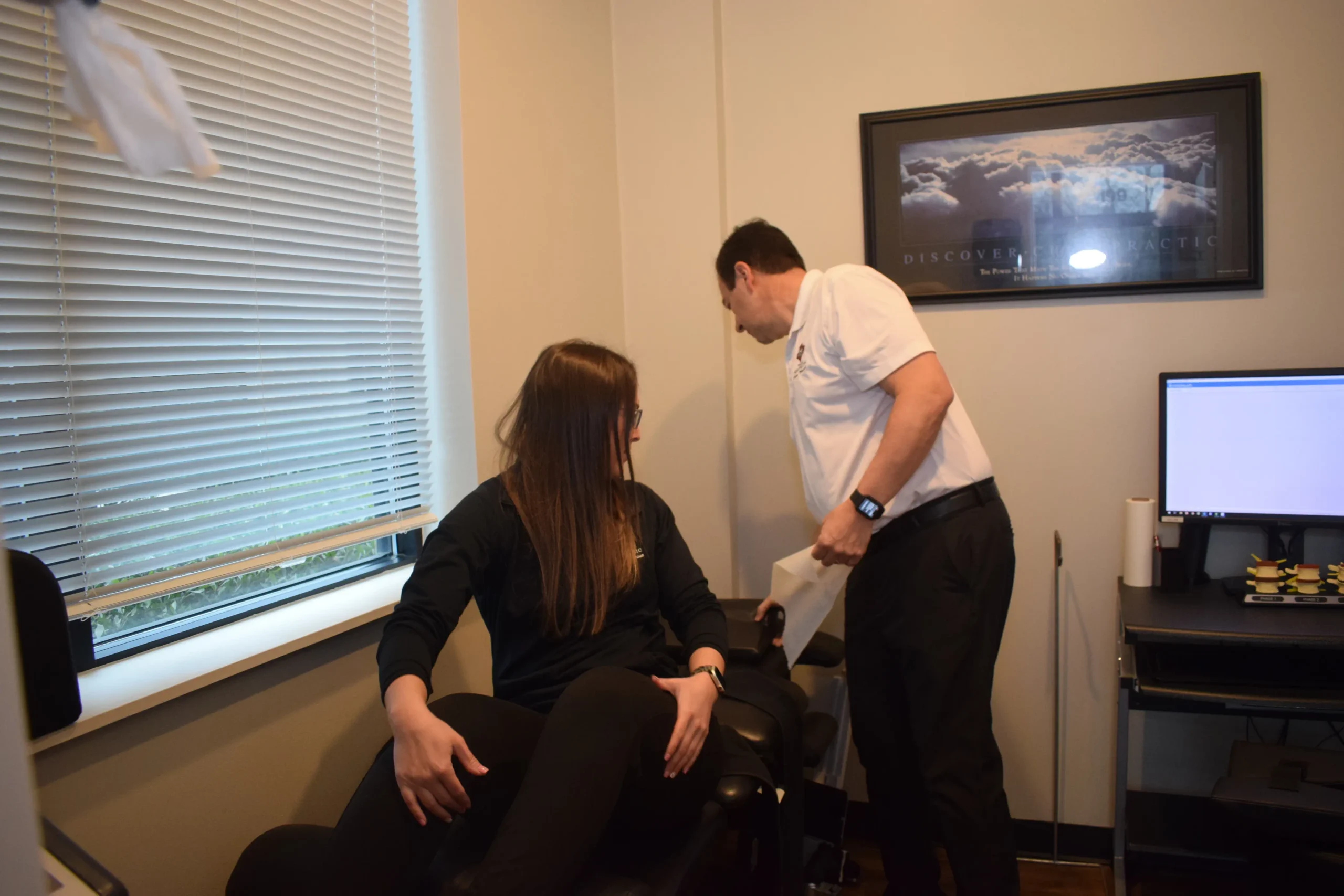
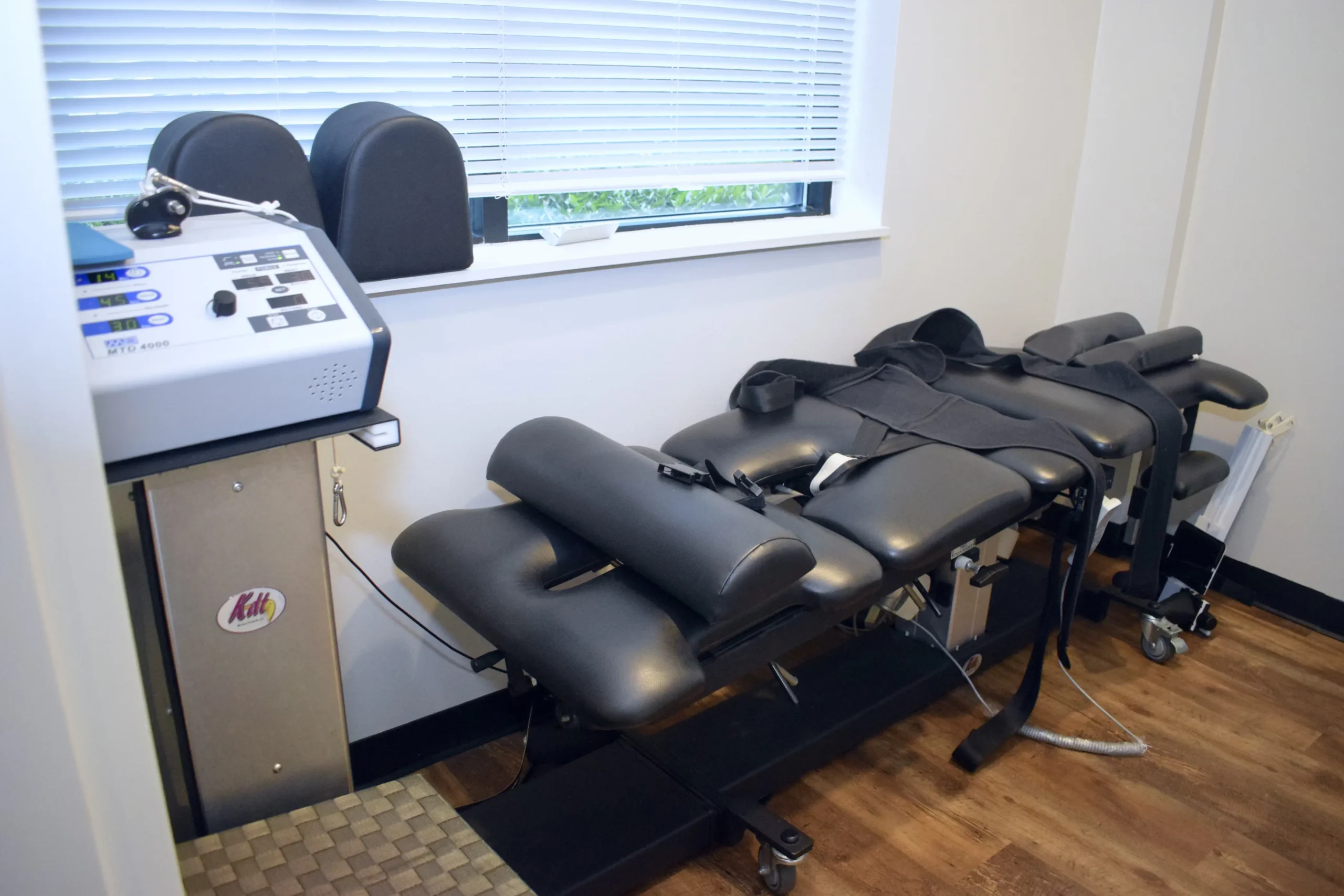
A decompression table allows the doctor to select and modify the amount, angle, duration, and cycling of traction. Treatment is provided in a supported position and adjusted according to the patient’s response.
Traditional traction may be delivered manually or mechanically using different equipment and protocols. Whether one approach is more appropriate depends on the patient, condition, treatment settings, and clinical goals.
An inversion table uses gravity and body position to create traction while the user is partially or fully inverted. It generally provides less precise control over the direction and amount of force and may not be appropriate for people with certain eye, blood pressure, cardiovascular, balance, bone, or neurological concerns.
Using an inversion table at home is not a substitute for determining why you have back pain or radiating symptoms. Patients should seek professional guidance before attempting inversion, particularly when symptoms are severe, progressive, injury-related, or accompanied by numbness or weakness.
Who May Be a Good Candidate for Spinal Decompression?
Spinal decompression may be considered for an adult whose symptoms and examination findings suggest a mechanical or disc-related lower-back condition. This can include certain patients with persistent lower-back pain, a diagnosed disc concern, sciatica-like symptoms, or pain that travels into the buttock or leg.
A possible candidate should also be able to lie comfortably on the table and communicate clearly about changes in symptoms. Previous imaging can be helpful in some situations, but an imaging finding alone does not determine whether someone should receive decompression.
You may not be a good candidate simply because you have back pain, were told you have a bulging disc, or want to avoid another type of treatment. Disc changes are common, and similar symptoms can originate from joints, muscles, nerves, the hips, circulation, or medical conditions unrelated to the spine.
Team Chiropractic will consider what aggravates or relieves your symptoms, whether neurological changes are present, your health history, previous treatment, and any factors that could make traction unsafe. If decompression does not fit your findings, the doctor can discuss other conservative options or recommend medical evaluation.
How Team Chiropractic Evaluates You for Spinal Decompression
Health and Symptom History
We review how your symptoms started, where they travel, which activities affect them, previous injuries, medical conditions, and care you have already tried.
Neurological Screening
Your doctor may evaluate strength, sensation, reflexes, coordination, or nerve-tension signs when numbness, tingling, weakness, or radiating pain is present.
Movement and Orthopedic Examination
The examination may assess spinal motion, posture, joint function, tenderness, and how symptoms respond to relevant movements or positions.
Imaging and Safety Review
Existing imaging may be reviewed, and in-office X-rays may be recommended when clinically appropriate. MRI or other medical evaluation may be necessary when additional information is needed.
The Spinal Decompression Therapy Process
Consultation and Initial Discussion
Examination and Care Recommendation
Customized Table Setup
Monitored Treatment and Reassessment
How Long Does Spinal Decompression Therapy Take?
There is no universal number of spinal decompression sessions that every patient needs. The appropriate timeline depends on the cause and duration of symptoms, examination findings, health history, activity demands, treatment tolerance, and response to care.
Progress should involve more than asking whether your back feels better immediately after lying on the table. Team Chiropractic may monitor:
- Changes in the intensity and frequency of pain
- Whether leg symptoms are becoming less frequent or traveling a shorter distance
- Improvements in sitting, standing, walking, sleeping, or working
- Changes in mobility and tolerance for daily activity
- Neurological findings such as strength or sensation
- How long any improvement lasts between appointments
- Whether treatment causes new or worsening symptoms
Some patients notice changes sooner than others, and improvement is not guaranteed. If progress does not occur within a reasonable period, symptoms worsen, or new neurological findings develop, the plan should be reconsidered rather than continued automatically.
Spinal Decompression vs. Chiropractic Adjustments
Spinal decompression and chiropractic adjustments are separate services that apply different types of mechanical input.
Decompression uses gradual, sustained, or repeated traction while the patient remains supported on a specialized table. It is generally considered when the doctor wants to alter loading on a particular area of the spine.
A chiropractic adjustment uses a controlled movement applied to a joint to address restricted motion and support mobility. The technique, position, and amount of force vary according to the patient and area being treated.
One service is not automatically better than the other. Some patients may be evaluated for decompression, adjustments, both services, or neither. The appropriate choice depends on the suspected source of symptoms, examination findings, medical history, safety considerations, and response to care.
Supporting Your Recovery Between Decompression Visits
Spinal decompression should not be presented as a passive treatment that eliminates the need to consider movement, daily activities, and contributing physical demands. Recommendations between visits should be adapted to your symptoms and abilities.
You may be advised to change positions regularly instead of remaining seated for long periods, take short walks as tolerated, modify activities that repeatedly aggravate leg or back symptoms, and use safer strategies for lifting and carrying. Your doctor may also recommend specific mobility, stabilization, or strengthening exercises as your condition allows.
Pay attention to changes in the location of your symptoms—not only their intensity. Increasing numbness, weakness, loss of coordination, or pain traveling farther into the leg should be reported promptly.
Avoid beginning aggressive stretches, inversion-table use, high-impact exercise, or a generic online back program without discussing it with your provider. An activity that helps one type of back pain can aggravate another.
The objective is to help you return gradually to comfortable, confident movement while determining which activities and care strategies produce meaningful improvement.
Services That May Be Combined With Spinal Decompression
Chiropractic Adjustments
Controlled adjustments may be incorporated when restricted joint motion is contributing to the patient’s symptoms or movement limitations. Adjustments serve a different purpose from traction and should be selected according to the examination findings.
Soft Tissue Release
Soft tissue techniques may be used when muscle tension, protective guarding, or restricted movement accompanies a spinal concern. Treatment can be directed toward relevant muscles without assuming that muscular tension is the primary cause of the condition.
K-Laser Therapy
K-Laser therapy may be considered for selected painful or irritated tissues as a separate component of care. It does not mechanically decompress the spine or return a disc to a previous position. K-Laser availability should be confirmed with the Millbrook office.
Spinal Re-Engineering
Spinal re-engineering may incorporate chiropractic care, individualized exercises, and other recommendations intended to support movement and function. Whether it is appropriate depends on the patient’s findings and longer-term goals.
Spinal Decompression Safety and When to Seek Medical Care
Spinal decompression may be well tolerated by appropriately selected patients, but it is not suitable for every spinal condition or medical history. Screening is necessary before treatment begins.
A fracture, severe osteoporosis, spinal instability, suspected infection, cancer involving the spine, certain inflammatory conditions, recent spinal surgery, or particular implanted devices may make traction inappropriate or require clearance from another healthcare professional. Pregnancy and significant cardiovascular, vascular, or neurological conditions also require specific consideration.
Tell Team Chiropractic about previous surgery, diagnosed bone loss, cancer history, current pregnancy, blood-thinning medication, implanted hardware, recent trauma, and all new or changing neurological symptoms. Do not assume a condition is safe for decompression because another person with similar pain received it.
In-office X-rays may help evaluate alignment, bone structure, degeneration, or possible instability when clinically indicated. However, X-rays do not show every disc, nerve, or soft-tissue problem. MRI, laboratory testing, specialist evaluation, or another form of medical imaging may be recommended when the findings require information outside the scope of an X-ray.

Why Choose Team Chiropractic for Spinal Decompression?
Evaluation Before Treatment
We first determine whether your symptoms fit a condition for which decompression may reasonably be considered.
Individual Treatment Settings
Traction settings and progression are adapted to your body, findings, comfort, and response rather than selected from one universal protocol.
Imaging When Appropriate
In-office X-rays are available when clinically indicated, and additional medical imaging or referral may be recommended when necessary.
Integrated Local Care
Patients have access to multiple conservative services and Team Chiropractic offices serving Raleigh, Wakefield, Wake Forest, and nearby communities.
Schedule Today!
Tuesday: 7:30AM–12PM & 3PM–6PM
Wednesday: 7:30AM–12PM
Thursday: 7:30–12PM & 3PM–6PM
Friday: 7:30AM–12PM
Saturday & Sunday: Closed
FAQs About Spinal Decompression Therapy
Does spinal decompression therapy really work?
Research on mechanical traction and spinal decompression has produced mixed results, and the treatment does not help every person with back pain. Some appropriately selected patients may experience improvements in pain or function, particularly when traction is incorporated into a broader conservative plan. An evaluation and ongoing progress review are necessary.
Is spinal decompression the same as traction?
Non-surgical spinal decompression is a specialized form of motorized traction. The decompression table allows the provider to control variables such as force, angle, duration, and cycling, but both approaches use traction forces.
Can spinal decompression help a herniated or bulging disc?
It may be considered for some patients whose symptoms and examination findings are consistent with a disc-related condition. Decompression cannot guarantee that a herniated or bulging disc will return to its previous appearance or that symptoms will completely resolve.
Can spinal decompression help sciatica?
Some patients with sciatica-like symptoms may be evaluated for decompression, particularly when a lumbar disc or nerve-root concern is suspected. However, radiating leg pain can have several causes, and decompression is not appropriate for all of them.
Does spinal decompression hurt?
Patients commonly describe a gradual pulling or stretching sensation. Treatment should remain tolerable, and sharp pain, increasing numbness, weakness, or symptoms traveling farther into the leg should be reported immediately.
How is spinal decompression different from an inversion table?
A decompression table uses controlled settings while the patient remains supported and monitored. An inversion table relies primarily on gravity and body position, offers less precise control, and may be unsuitable for people with certain health conditions.
Is spinal decompression better than a chiropractic adjustment?
Neither service is automatically better. Decompression applies traction, while an adjustment uses a controlled movement directed toward a joint. The appropriate option depends on the patient’s symptoms, examination findings, and clinical goals.
How many spinal decompression sessions will I need?
There is no standard number appropriate for every patient. Your doctor will consider your condition, symptom duration, health history, functional goals, and response to initial care before discussing an expected timeline.
Do I need an X-ray or MRI before spinal decompression?
Not every patient automatically needs imaging. Your history and examination help determine whether an X-ray, MRI, or other medical evaluation is appropriate. Team Chiropractic offers in-office X-rays when clinically indicated.
Can spinal decompression prevent back surgery?
Spinal decompression is a conservative treatment option, but it cannot guarantee that surgery will be avoided. Some conditions require surgical evaluation, and treatment decisions should be based on the diagnosis, neurological findings, symptom progression, and medical recommendations.
Who should not receive spinal decompression?
People with certain fractures, severe osteoporosis, spinal instability, infection, cancer involving the spine, recent spinal surgery, implanted devices, pregnancy, or significant neurological or vascular concerns may not be appropriate candidates. Individual screening is required.
What should I wear to a decompression appointment?
Wear comfortable clothing that allows you to lie on the table without restrictive belts, bulky accessories, or objects in your pockets. The office can provide additional instructions when you schedule.
Can I exercise after spinal decompression?
Activity recommendations depend on your condition and response to treatment. Some patients may continue light movement or prescribed exercises, while others may need to temporarily modify activities that aggravate their symptoms.
Is spinal decompression available at both Team Chiropractic locations?
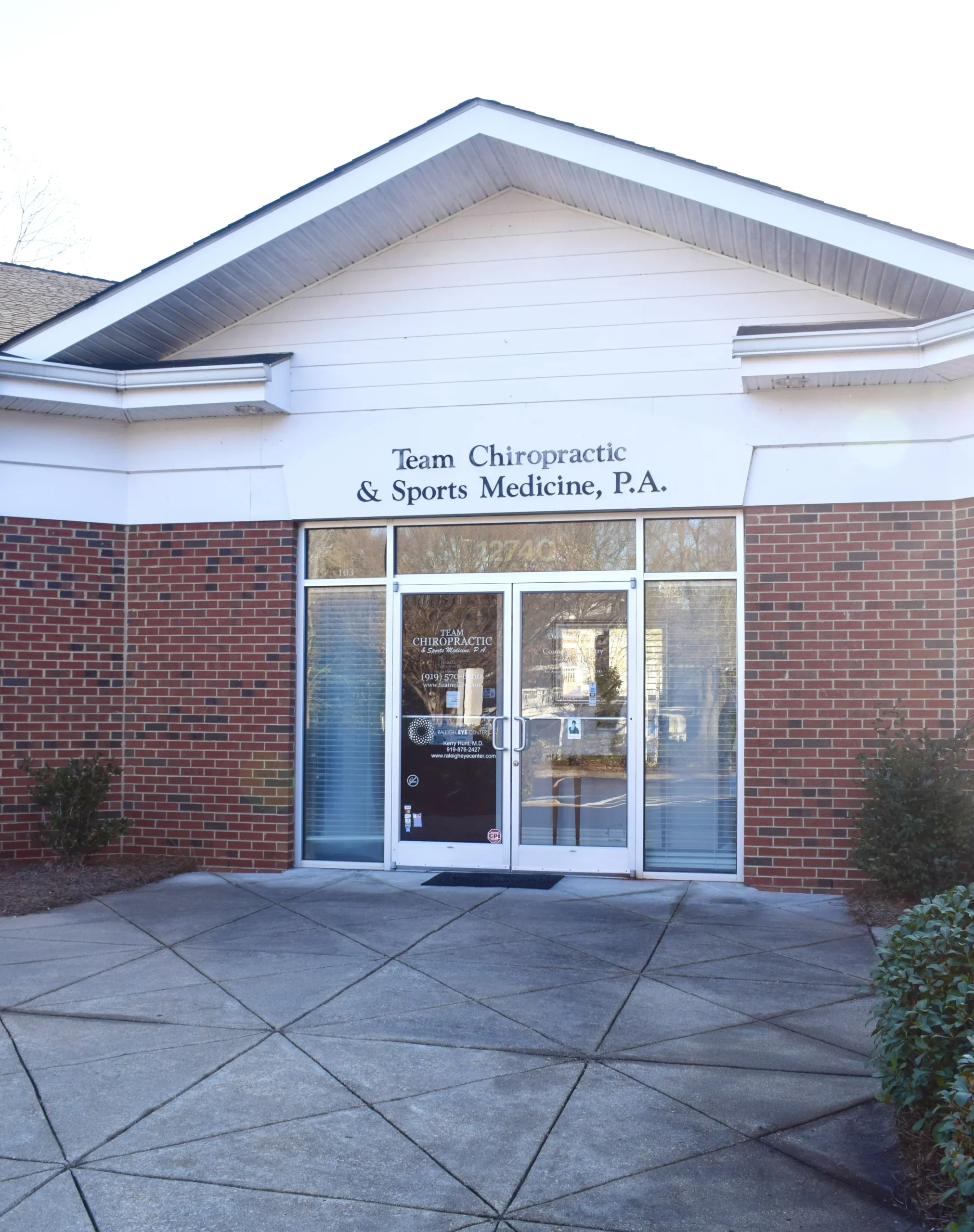
Team Chiropractic serves patients through its Raleigh office on West Millbrook Road and its Wakefield office in North Raleigh near Wake Forest. Contact your preferred office before scheduling to confirm current decompression availability and provider scheduling.
What is included in the free consultation?
The free consultation allows you to discuss your concerns, ask questions, and learn whether Team Chiropractic may be an appropriate place to begin. A complete examination, imaging, and treatment are separate services and are not automatically included.