
Sports Rehabilitation in Raleigh & Wakefield, NC
Team Chiropractic & Sports Medicine provides individualized sports rehabilitation for athletes, active adults, and growing competitors recovering from injuries or movement limitations. We evaluate how your body moves, what your activity demands, and what must be rebuilt before you return.
Get in Touch
What Is Sports Rehabilitation?
Sports rehabilitation is a structured process designed to help someone regain movement, strength, control, and activity tolerance following an injury or period away from exercise. It can also be considered when recurring discomfort makes it difficult to train, compete, or remain active consistently.
Effective rehabilitation involves more than temporarily reducing pain. Depending on the person and condition, it may focus on:
- Restoring comfortable joint and muscle movement
- Rebuilding strength after injury or inactivity
- Improving balance, stability, and movement control
- Gradually increasing the amount of force an injured area can tolerate
- Addressing activity-specific movements that reproduce symptoms
- Reintroducing running, lifting, jumping, throwing, or directional changes
- Helping the athlete understand how to manage training demands
- Coordinating with medical providers, coaches, or other rehabilitation professionals when appropriate
Sports rehabilitation should reflect the injury, the person, and the activity they want to resume. A runner, golfer, swimmer, football player, weightlifter, and recreational exerciser should not automatically receive the same plan.
Who Can Benefit From Sports Rehabilitation?
Sports rehabilitation is not limited to professional or collegiate athletes. It may be appropriate for anyone whose ability to exercise, compete, work, or participate in an active hobby has been affected by pain, injury, weakness, or restricted movement.
Team Chiropractic & Sports Medicine works with:
- Competitive athletes recovering from an injury or preparing to return to organized competition
- High school and youth athletes whose care must account for age, growth, sport, and training demands
- Recreational athletes participating in community leagues, running groups, fitness classes, or weekend activities
- Runners and cyclists dealing with recurring lower-body discomfort or difficulty increasing mileage
- Weightlifters and gym members experiencing pain or restrictions during squatting, pressing, pulling, or other exercises
- Golfers and tennis players whose symptoms appear during rotational or repetitive movements
- Active adults who want to return to hiking, walking, gardening, or another physically demanding hobby
- People returning after inactivity who need to rebuild capacity gradually following injury, illness, surgery, or an extended break
You do not need to wait until pain becomes severe. Recurring symptoms, reduced confidence, repeated compensation, or difficulty progressing activity may justify an evaluation.
Areas Commonly Evaluated During Sports Rehabilitation
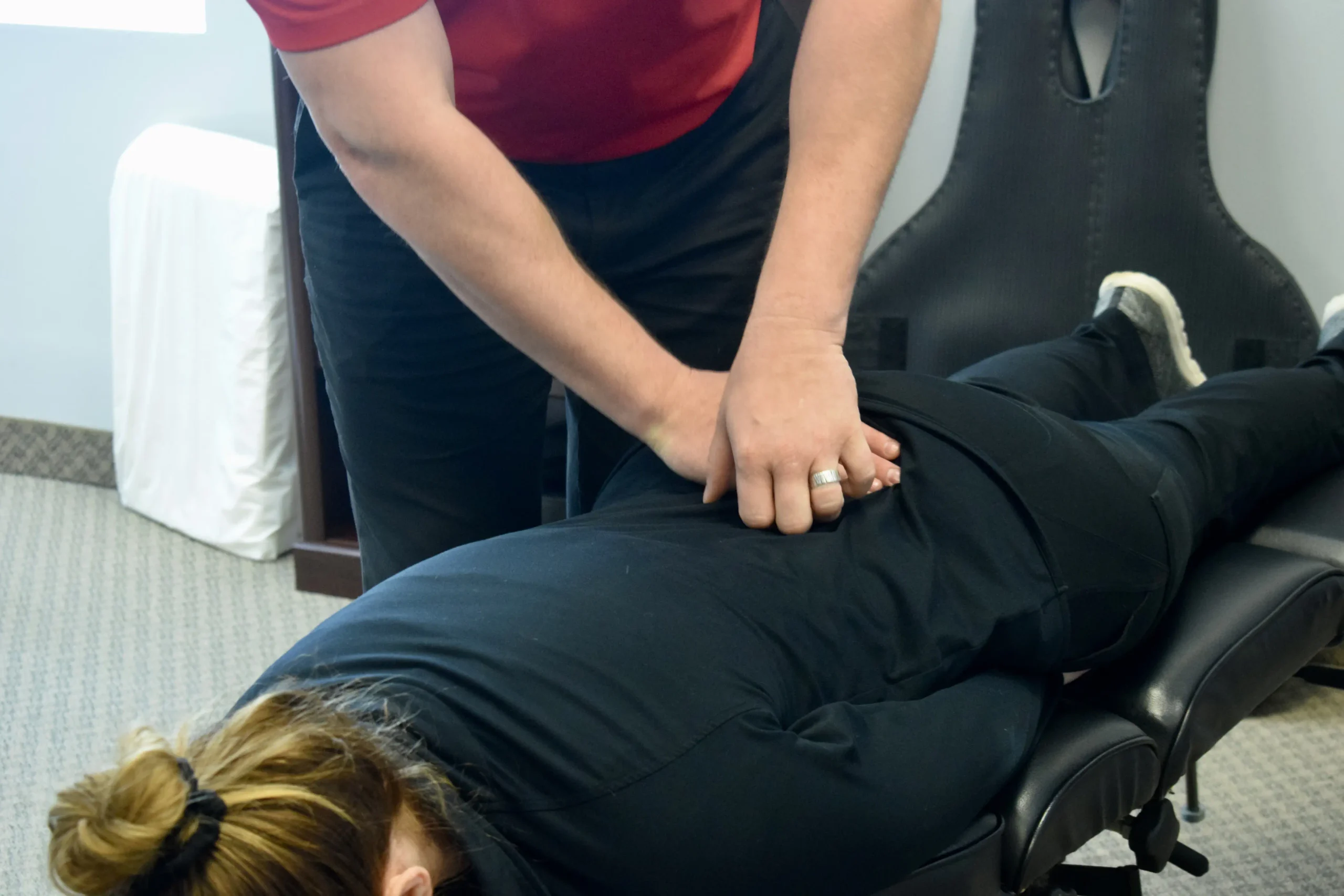
Spine and Core
Shoulders, Elbows, and Wrists
Hips and Knees
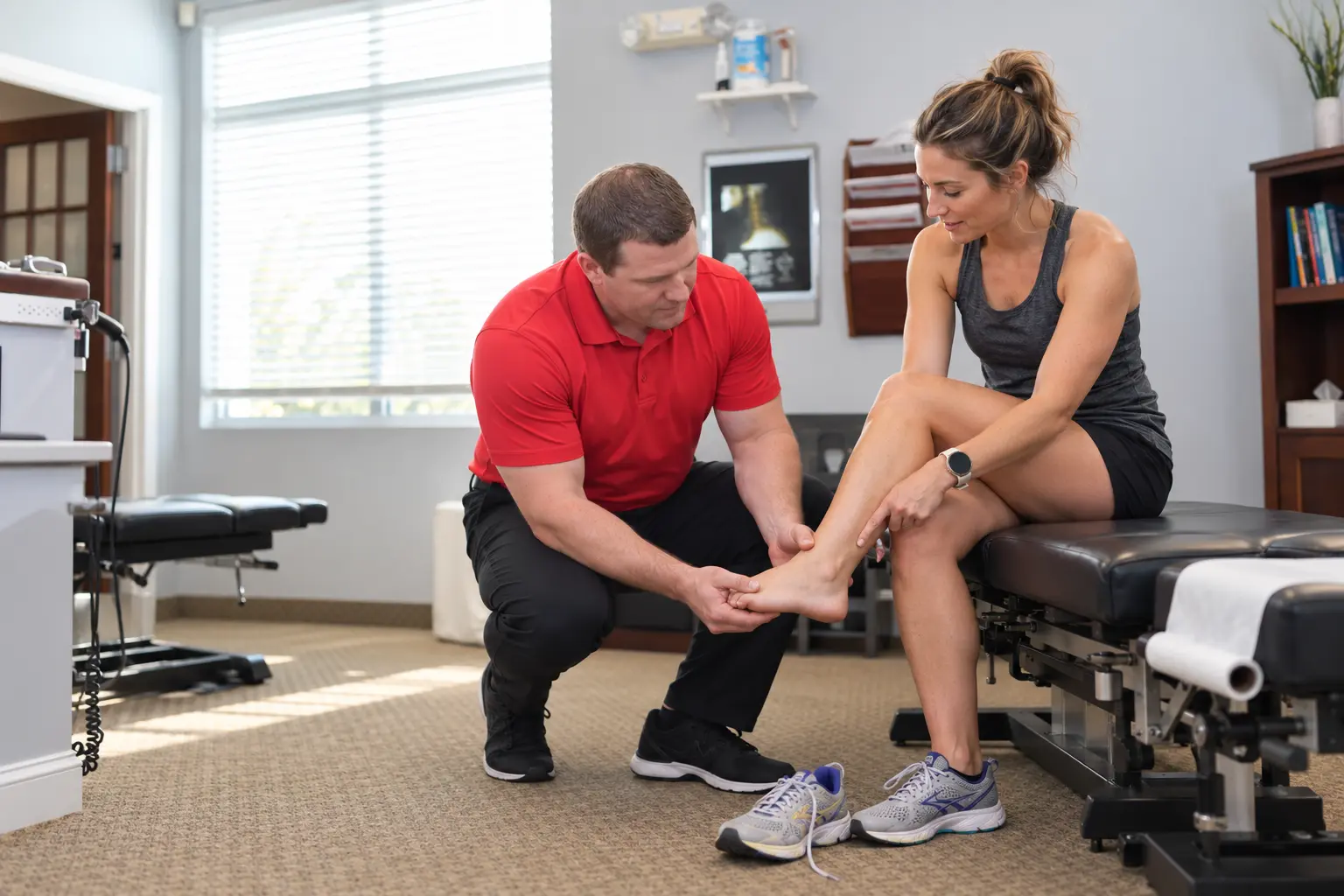
Ankles and Feet
What Does a Sports Chiropractor Do?
A sports chiropractor evaluates musculoskeletal concerns in the context of the patient’s activity. That means considering not only where the pain occurs, but also which movements trigger it, how the injury developed, what the sport requires, and what the person must be able to do before returning.
The evaluation may involve the spine, extremity joints, muscles, tendons, balance, mobility, strength, neurological findings, and functional movement. When appropriate, chiropractic adjustments may address selected joint restrictions, but an adjustment is not a complete rehabilitation plan by itself.
Sports chiropractic care may also include:
- Targeted mobility recommendations
- Progressive strengthening exercises
- Soft tissue techniques
- Balance and movement-control training
- Changes to training volume or exercise selection
- Activity-specific movement progressions
- Footwear or orthotic evaluation
- Coordination with physicians, physical therapists, athletic trainers, or coaches
Sports chiropractors do not replace every member of an athlete’s healthcare team. Significant fractures, dislocations, concussions, complete tendon or ligament injuries, surgical conditions, and other complex problems may require medical or orthopedic management before or alongside conservative care.
How Team Chiropractic Evaluates Sports Rehabilitation Needs
Injury and Training History
We review how the problem began, previous injuries, training changes, current symptoms, and the activities you want to resume.
Mobility and Joint Assessment
Your doctor may evaluate relevant spinal and extremity movement, muscle flexibility, tenderness, swelling, and joint function.
Strength and Movement Testing
Testing may include strength, balance, control, walking, squatting, reaching, jumping, or another movement connected to your symptoms.
Activity-Specific Evaluation
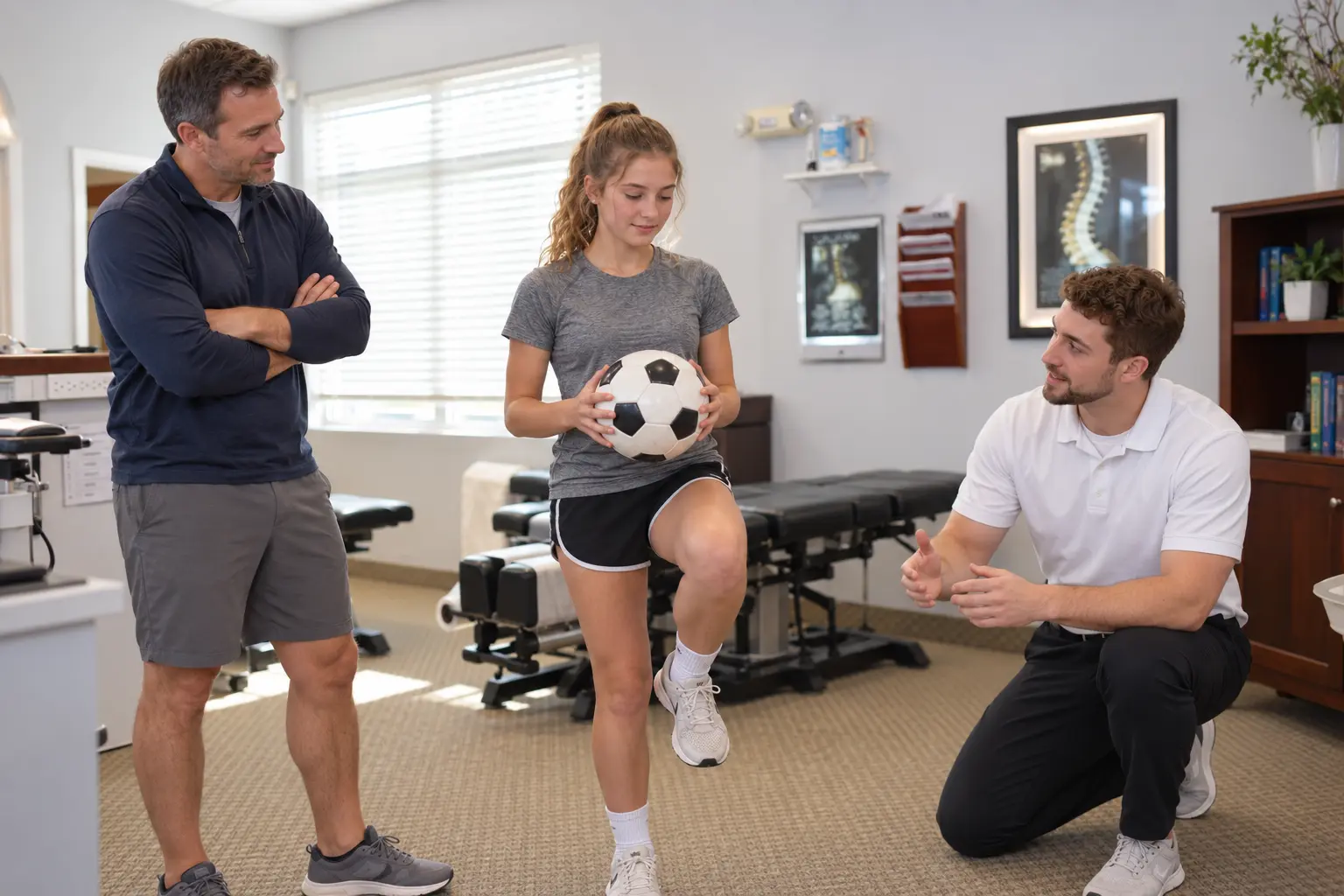
The doctor considers the speed, direction, repetition, impact, and physical demands of your particular sport or exercise.
What May Be Included in Your Rehabilitation Plan?
Restoring Comfortable Mobility
Rebuilding Strength
Improving Stability and Control
Preparing for Activity-Specific Demands
How Does Sports Rehabilitation Progress?
Rehabilitation should become more challenging as your symptoms, movement, and capacity improve. Progression may involve changing one or more variables, including resistance, repetitions, range of motion, speed, impact, duration, direction, or movement complexity.
For example, a lower-body progression might move from controlled two-leg exercises to single-leg strength, then to landing, jumping, running, or directional changes. An upper-body progression might move from comfortable range-of-motion work to resistance exercises, followed by faster reaching, throwing, pressing, or pulling.
Progress is not always linear. Temporary soreness or a difficult day does not automatically mean that recovery has failed, but persistent increases in pain, swelling, weakness, or loss of function may indicate that the current demand is too high or the condition needs to be reassessed.
Team Chiropractic & Sports Medicine uses your response to guide the next step rather than increasing difficulty according to a fixed calendar alone.
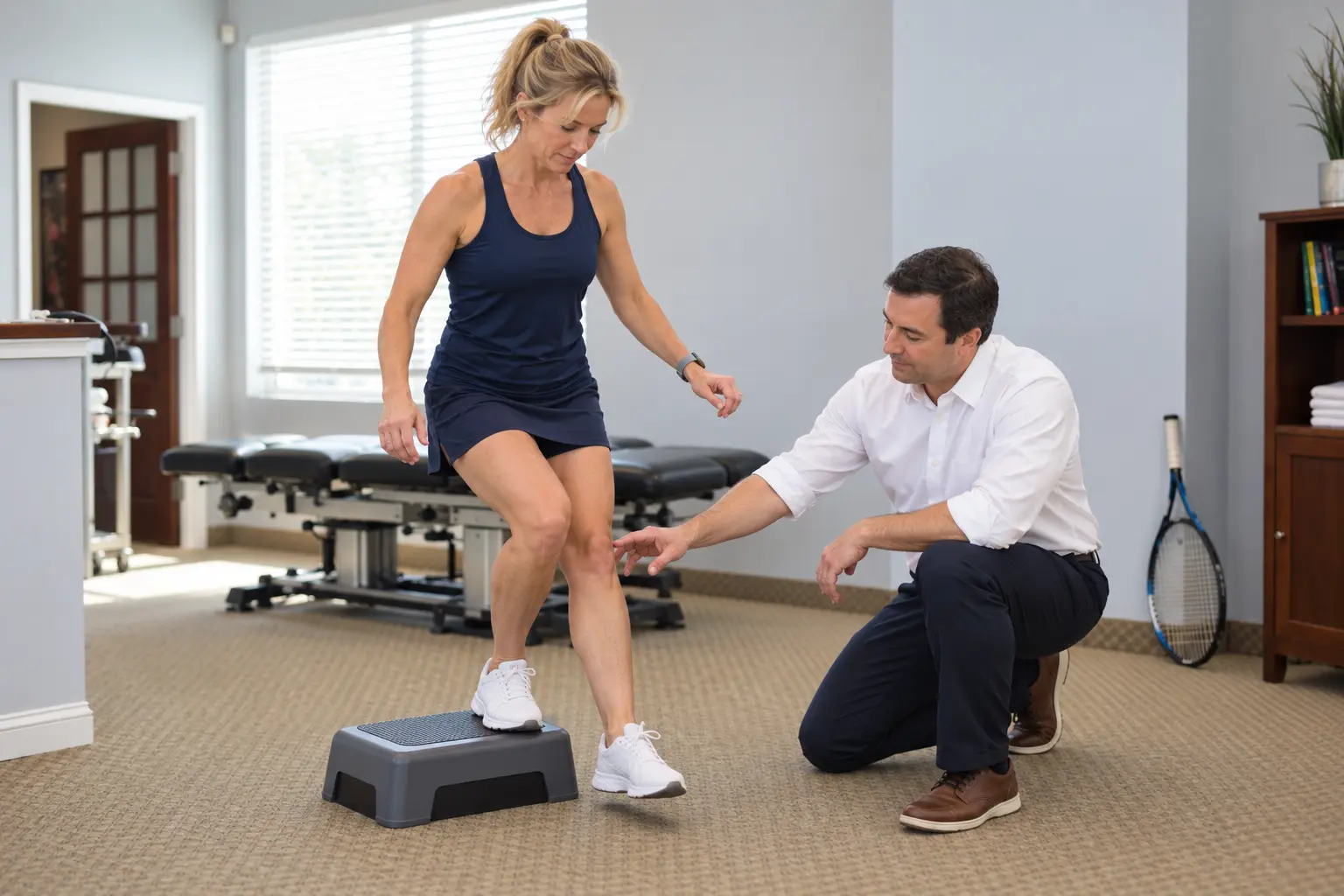
Feeling Better Is Not Always the Same as Being Ready
Reduced pain is an encouraging sign, but it does not always mean the injured area has regained the strength, control, endurance, or loading tolerance required for full activity.
Some athletes feel comfortable during routine daily movement but continue to struggle with sprinting, jumping, heavy lifting, repeated throwing, rapid changes in direction, or longer training sessions. Others can complete an activity once but cannot yet tolerate the frequency or intensity required during practices and competition.
Functional recovery may involve evaluating:
- Whether the relevant movement can be completed with acceptable symptoms
- Whether strength and control have improved
- Whether the athlete can tolerate repeated effort
- Whether confidence has returned
- Whether sport-specific tasks can be performed safely
- Whether symptoms remain controlled later that day and the following day
The goal is not simply to make an area feel different during an appointment. It is to help the patient regain the abilities needed for meaningful activity.
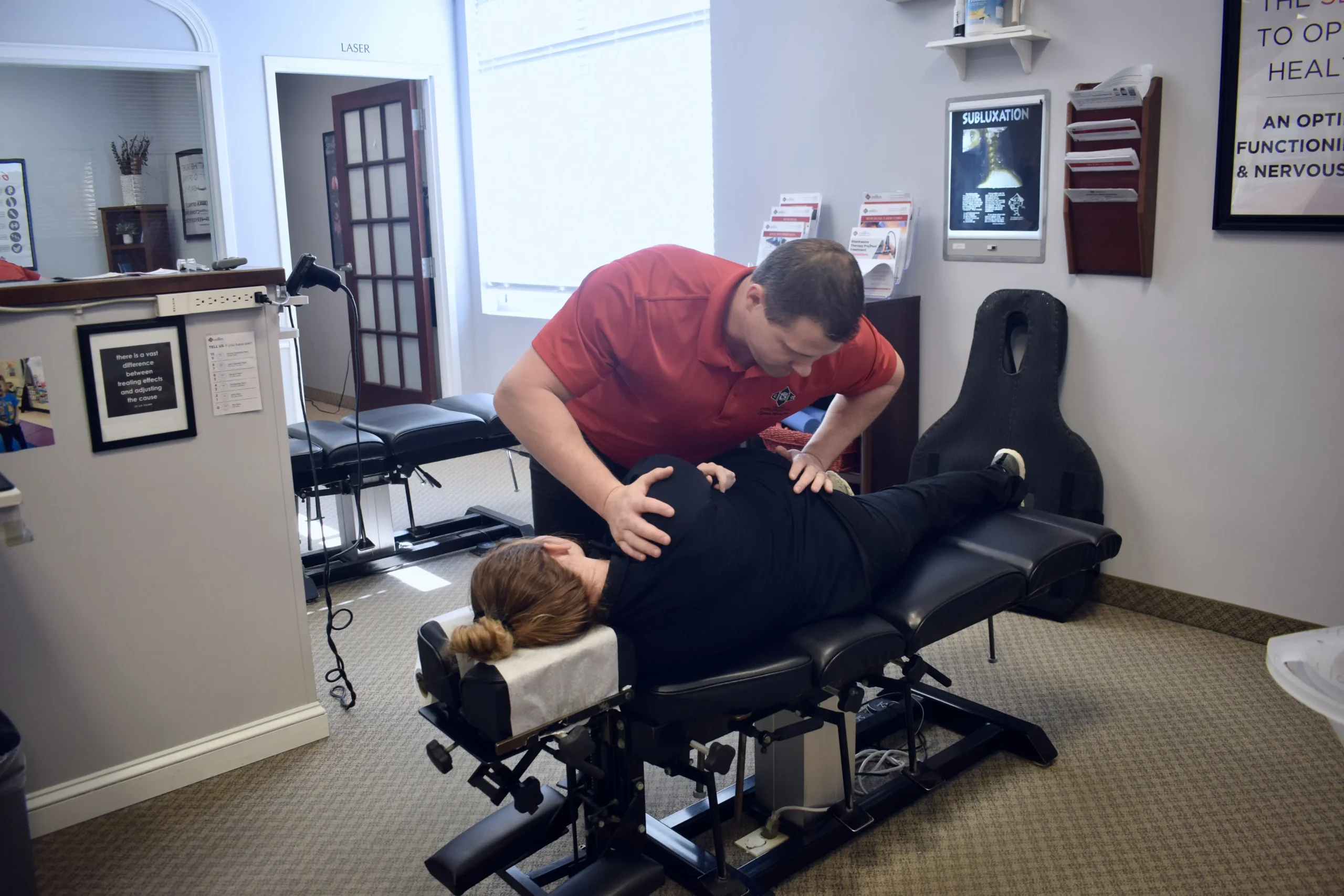
How Do You Know When You Are Ready to Return?
Returning to a sport or exercise program is usually a progression rather than a single decision. The process may move from rehabilitation exercises to individual drills, modified practice, fuller training, and eventually unrestricted participation.
Readiness depends on the condition and activity, but relevant considerations may include:
- Comfortable movement through the range required by the activity
- Adequate strength and control in the affected area
- The ability to tolerate repeated loading
- Completion of relevant running, jumping, lifting, throwing, or agility tasks
- An acceptable symptom response during and after activity
- Confidence in the previously injured area
- Medical clearance when the injury requires it
- Input from the athlete, healthcare providers, parents, coaches, or athletic trainers when appropriate
No single test guarantees that another injury will not occur. Return-to-sport decisions involve balancing recovery, remaining risk, activity demands, and the athlete’s goals.
Pain should not be the only measure, and an arbitrary date should not be the only measure. Team Chiropractic & Sports Medicine helps patients understand which functional milestones are relevant to their particular return.
Rehabilitation for Different Sports and Activities
Running and Endurance Sports
Strength Training and Cross-Training
Field and Court Sports
Golf, Tennis, and Rotational Sports
Supporting Recovery and Reducing Future Injury Risk
No healthcare provider can guarantee that an injury will never happen again. Sports involve speed, fatigue, contact, environmental conditions, and unpredictable movement. However, a thoughtful rehabilitation plan can address modifiable factors and prepare the body for the demands it will face.
Helpful strategies may include:
- Complete prescribed exercises using the recommended form and frequency.
- Increase training volume or intensity gradually.
- Avoid making several major training changes at the same time.
- Maintain strength and mobility work after returning to activity when advised.
- Use appropriate footwear and equipment for the sport.
- Allow time for sleep and recovery between demanding sessions.
- Track patterns rather than reacting to every minor sensation.
- Report recurring pain, swelling, instability, weakness, or loss of function.
- Avoid repeatedly testing the injured area at maximum effort before it is ready.
- Coordinate with your coach or trainer when practice demands need to be modified.
The goal is not to remove every difference or asymmetry from the body. It is to build enough strength, control, confidence, and activity tolerance for the individual’s needs.
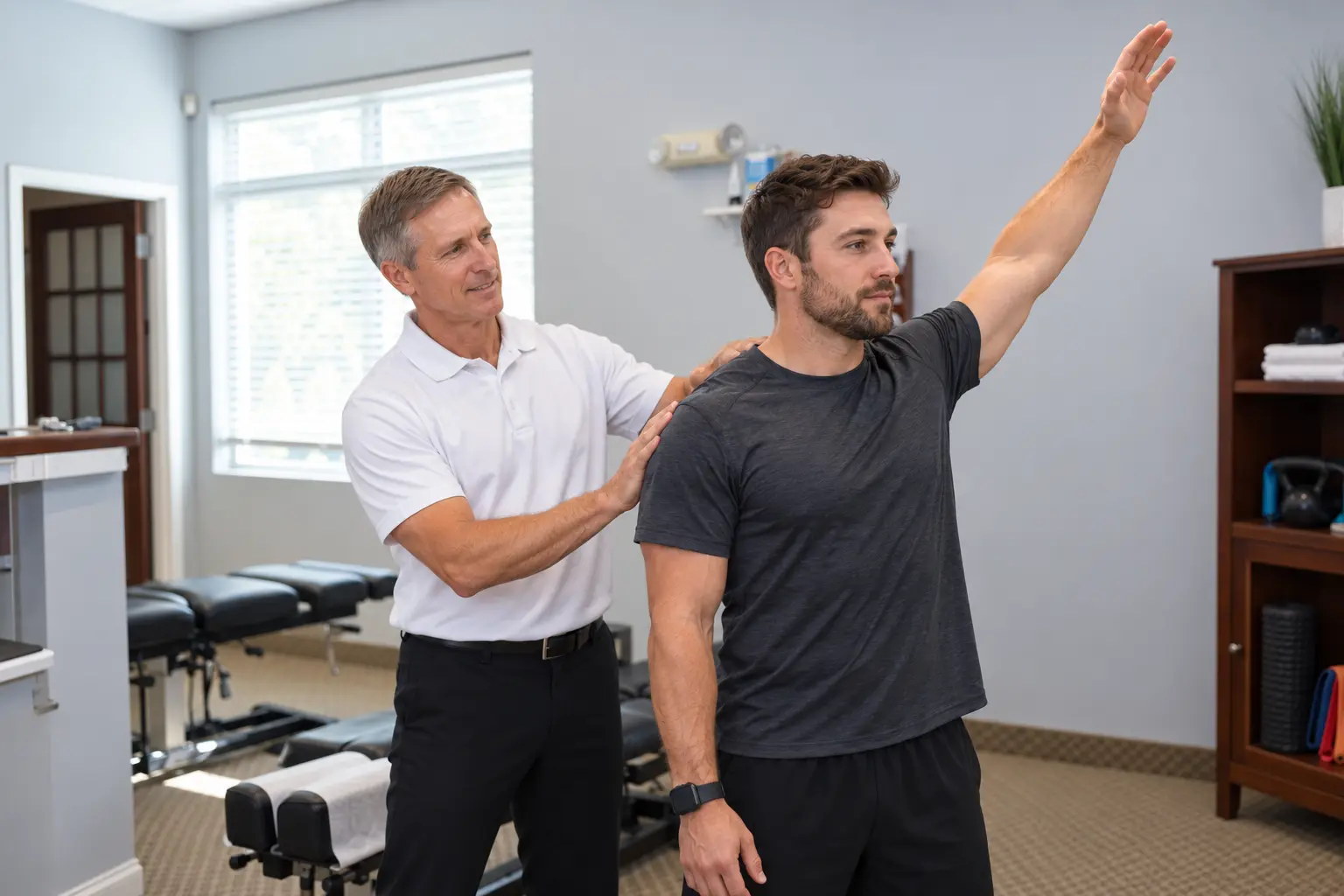
Services That May Be Included in Sports Rehabilitation
Chiropractic Adjustments
Controlled adjustments may be used to address selected spinal or extremity joint restrictions. They may support mobility but do not replace the strength and loading progression required for rehabilitation.
Soft Tissue Release
Targeted manual techniques may be incorporated when muscular tension, tenderness, or restricted soft tissue appears relevant. Soft tissue treatment can be coordinated with movement and strengthening recommendations.
K-Laser Therapy
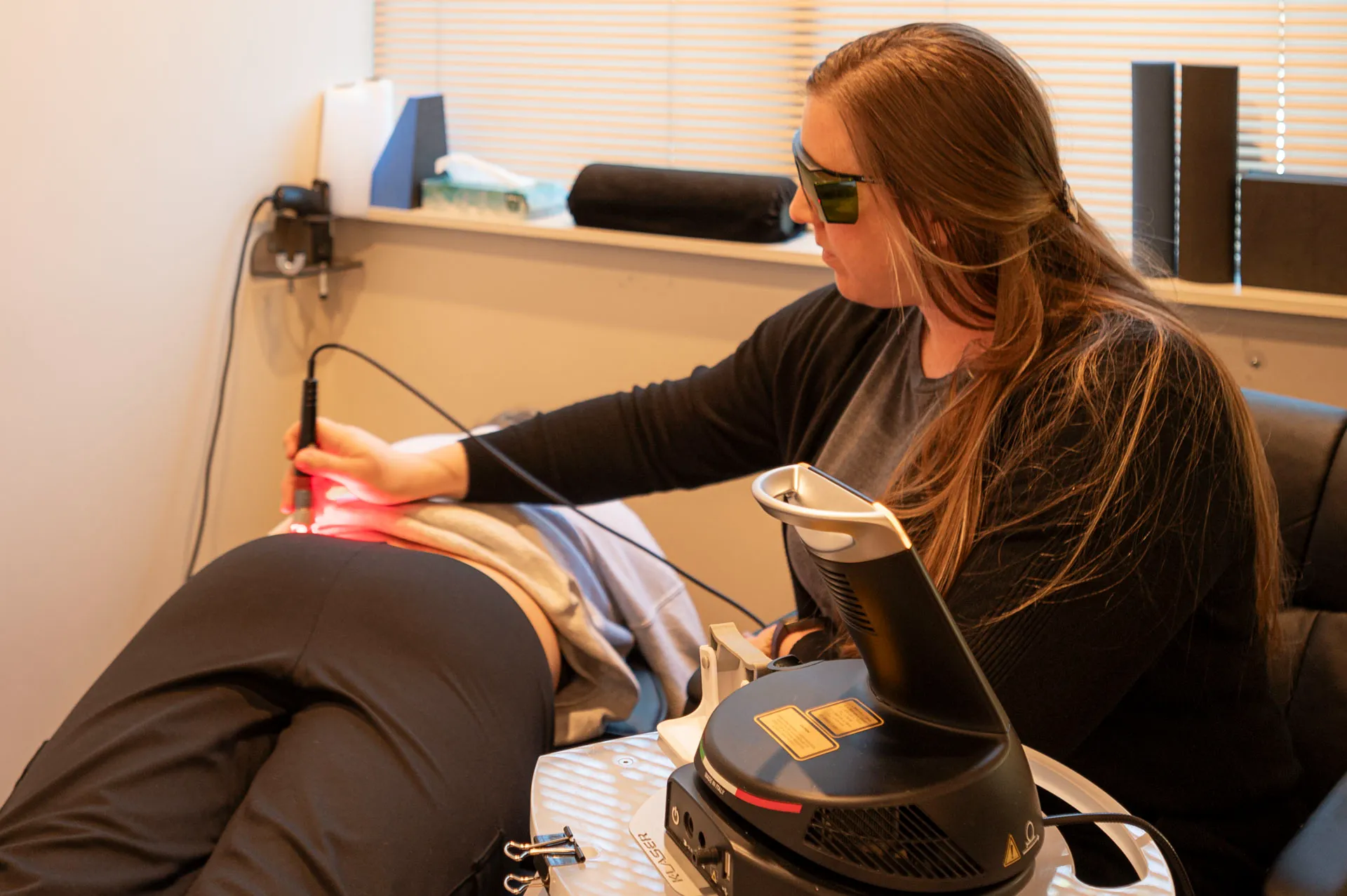
K-Laser therapy applies therapeutic light energy to a targeted area. It may be used as a supportive modality when clinically appropriate, but it does not replace progressive rehabilitation.
Shockwave Therapy
Radial shockwave therapy may be considered for selected persistent tendon, fascia, or soft-tissue concerns. An evaluation is required to determine whether the tissue and stage of recovery are appropriate for treatment.
Custom Orthotics
Custom orthotics may be evaluated when foot mechanics or footwear appear relevant to lower-extremity symptoms. They are not automatically required for every runner, athlete, or lower-body injury.
When Sports Injuries Need Imaging or Medical Evaluation
Not every sports injury requires an X-ray, MRI, or orthopedic referral. Imaging should be considered when the history, examination, injury mechanism, or lack of expected progress suggests that more information is needed.
Team Chiropractic offers in-office X-rays when clinically appropriate. X-rays can help evaluate bones, joint alignment, and selected structural concerns, but they do not show every muscle, tendon, ligament, disc, or cartilage injury. When advanced imaging such as an MRI or diagnostic ultrasound is indicated, referral to an appropriate facility or medical provider may be recommended.
Medical or emergency evaluation may be necessary for:
- A suspected fracture or dislocation
- Major swelling, deformity, or inability to bear weight
- A joint that repeatedly gives way or locks
- A suspected complete muscle, tendon, or ligament injury
- Head injury, loss of consciousness, confusion, or possible concussion
- Chest pain, difficulty breathing, or signs of heat illness
- Progressive numbness, weakness, or loss of coordination
- An open wound or signs of infection
- Severe pain following significant trauma
- Symptoms that do not improve as expected
Sports rehabilitation works best when it is provided within the appropriate scope and coordinated with other healthcare professionals when necessary.
Why Choose Team Chiropractic & Sports Medicine?
Sports-Focused Experience
Our doctors bring backgrounds involving sports medicine, exercise science, extremity care, and athletic injury recovery.
Individual Movement Evaluation
Recommendations are based on your symptoms, examination findings, activity demands, and recovery goals.
Multiple Care Options
Rehabilitation may be coordinated with adjustments, soft tissue release, shockwave therapy, K-Laser therapy, or orthotic evaluation when appropriate.
Local Care at Two Offices
Athletes can seek care at our Raleigh office on West Millbrook Road or our Wakefield office near Wake Forest.
Schedule Today!
Tuesday: 7:30AM–12PM & 3PM–6PM
Wednesday: 7:30AM–12PM
Thursday: 7:30–12PM & 3PM–6PM
Friday: 7:30AM–12PM
Saturday & Sunday: Closed
Conditions That May Lead to Sports Rehabilitation
Sports Injuries
Learn about acute and overuse injuries, common symptoms, medical warning signs, and the initial recovery process. The sports rehabilitation service page focuses more specifically on rebuilding function and returning to activity.
Joint Pain
Shoulder, elbow, hip, knee, ankle, and other joint concerns can affect strength, mobility, and athletic performance. Team Chiropractic evaluates joint function and nearby tissues before recommending care.
Back Pain
Back pain can interfere with running, lifting, rotation, contact sports, and everyday movement. Rehabilitation recommendations depend on whether muscles, joints, discs, nerves, or other factors appear involved.
Sciatica
Pain, tingling, numbness, or burning that travels into the leg may affect training and competition. Radiating symptoms require an appropriate neurological and musculoskeletal evaluation before rehabilitation begins.
FAQs About Sports Rehab
Is sports rehabilitation only for competitive athletes?
No. Sports rehabilitation may be appropriate for competitive athletes, recreational participants, active adults, youth athletes, runners, lifters, and people returning to a physical hobby after injury or inactivity.
What does a sports chiropractor do?
A sports chiropractor evaluates joints, muscles, movement, neurological findings, and activity demands in the context of a sports or exercise-related concern. Care may include adjustments, rehabilitation exercises, soft tissue techniques, activity recommendations, or referral when appropriate.
Is sports rehabilitation the same as physical therapy?
Sports rehabilitation is a broad recovery process that may be provided by different qualified professionals within their respective scopes. Team Chiropractic & Sports Medicine provides chiropractic sports rehabilitation and coordinates with physical therapists, physicians, athletic trainers, or other providers when necessary.
Do I need a diagnosed sports injury before scheduling?
Not necessarily. You may schedule an evaluation for recurring pain, restricted movement, weakness, instability, or difficulty returning to activity. However, significant trauma or concerning symptoms may require medical evaluation before rehabilitation begins.
Can rehabilitation begin while I still have pain?
In some cases, appropriately modified movement can begin before every symptom has resolved. The decision depends on the condition, pain behavior, examination findings, and activities being performed.
How long does sports rehabilitation take?
There is no universal timeline. Recovery depends on the injury, severity, symptom duration, health history, activity demands, consistency with the plan, and whether medical or surgical care is involved.
Will I receive exercises to perform at home?
Home exercises may be recommended when they support your rehabilitation goals. The exercises, frequency, and progression should be selected for your condition rather than copied from a generic routine.
How do I know when I can return to my sport?
Return decisions may consider symptoms, mobility, strength, control, repeated loading, sport-specific testing, confidence, and medical clearance when necessary. Readiness should not be based on time alone.
Can sports rehabilitation help an old injury?
It may help address lingering weakness, restricted movement, reduced confidence, or activity limitations associated with a previous injury. An evaluation is needed to determine whether the old injury or another issue is contributing to current symptoms.
Is sports rehabilitation appropriate for youth athletes?
Sports rehabilitation may be appropriate for youth and high school athletes when care accounts for age, growth, injury type, sport demands, and medical needs. Parents or guardians should remain involved in care decisions.
Does sports rehabilitation always include chiropractic adjustments?
No. Adjustments are recommended only when relevant joint findings are present and the technique is appropriate for the patient. A rehabilitation plan may also emphasize exercise, loading progression, or coordination with another provider.
Will I need imaging before beginning rehabilitation?
Not every patient needs imaging. X-rays or advanced imaging may be considered when the injury mechanism, examination findings, symptoms, or lack of expected progress indicate that more information is required.
Can sports rehabilitation prevent every future injury?
No. Rehabilitation may address modifiable factors and help prepare the body for activity, but no program can eliminate every injury risk.
Is sports rehabilitation available at both locations?
Team Chiropractic & Sports Medicine serves athletes through its Raleigh chiropractic office on West Millbrook Road and Wakefield chiropractic office near Wake Forest. Contact your preferred office to confirm scheduling and provider availability.
Does the free consultation include a rehabilitation evaluation or treatment?
No. The free consultation allows you to discuss your concerns and determine whether Team Chiropractic & Sports Medicine may be an appropriate place to begin. Examination, imaging, rehabilitation, and treatment are separate services.