
Migraine and Headache Relief in Raleigh and Wake Forest, NC
Team Chiropractic evaluates migraines, tension headaches, cervicogenic headaches, and other recurring headache patterns. Our Raleigh and Wakefield doctors identify possible musculoskeletal contributors, screen for symptoms requiring medical attention, and recommend care based on your individual findings.
Get in Touch
What Is the Difference Between a Headache and a Migraine?
A headache describes pain or pressure affecting the head, face, or upper neck. Headaches can develop for many reasons, including illness, dehydration, stress, medication use, injury, muscle tension, or another underlying condition.
Migraine is a neurological disorder that can cause recurring attacks involving much more than head pain. A migraine episode may include nausea, sensitivity to light or sound, visual changes, fatigue, difficulty concentrating, or other neurological symptoms.
Helpful distinctions include:
- Headache is a broad symptom. Tension-type, cervicogenic, post-traumatic, and other headache patterns can feel different and have different contributing factors.
- Migraine is a neurological condition. It should not automatically be attributed to posture, muscle tension, or spinal alignment.
- Neck pain can occur with either. Neck tension may contribute to certain headaches, but it can also develop during a migraine rather than cause it.
- Patterns can overlap. Someone may experience migraines and tension-type or neck-related headaches at different times.
- Evaluation matters. New, changing, persistent, or severe symptoms may require medical assessment before conservative care is considered.
At Team Chiropractic, the goal is not to label every headache as a spinal problem. We review the complete symptom pattern to determine whether musculoskeletal care may be appropriate and when another healthcare provider should be involved.
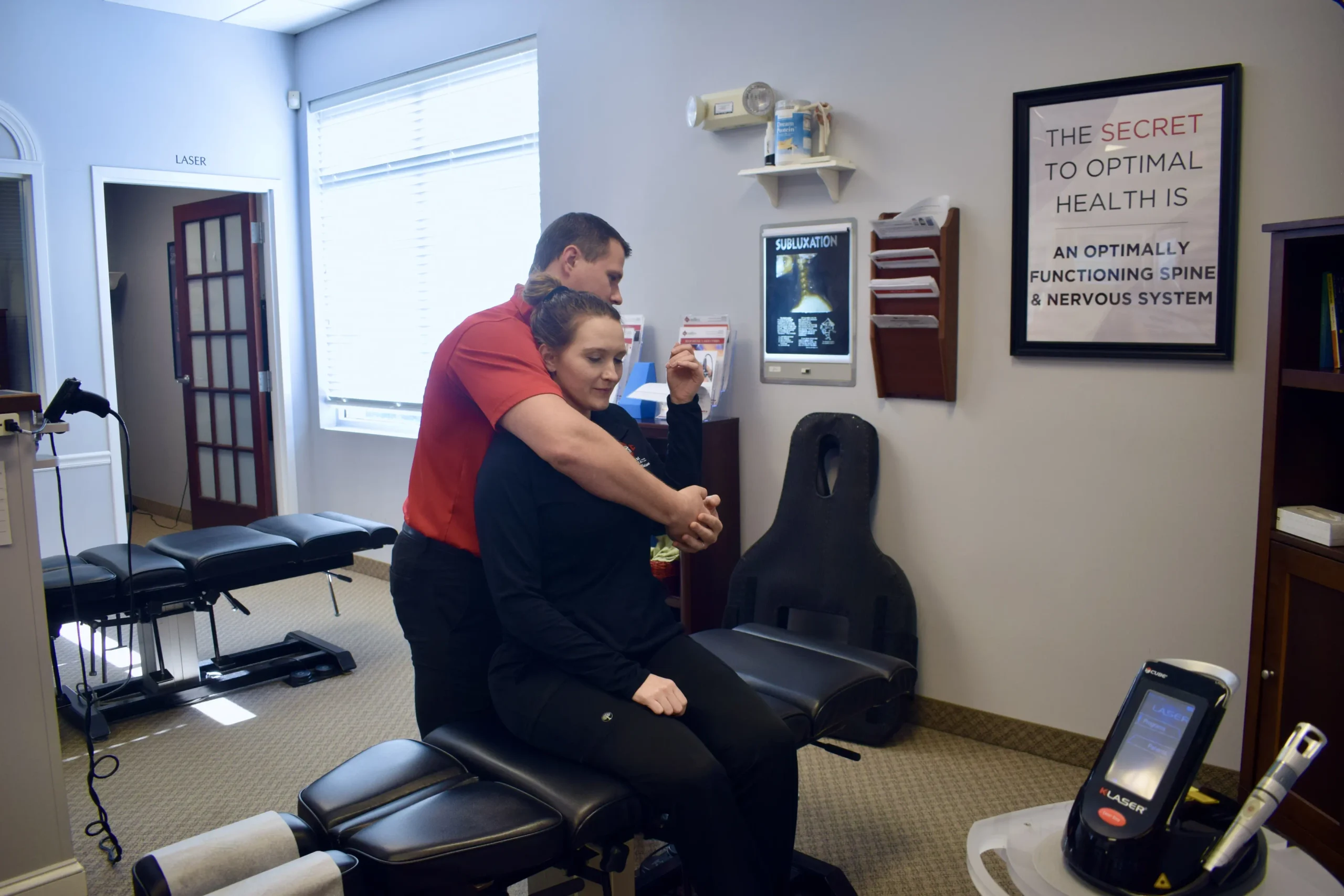
What Headache and Migraine Symptoms Can Feel Like
Throbbing or Pulsating Pain
Pressure or Tightness
Nausea and Sensory Sensitivity
Neck Pain and Limited Movement
Common Migraine and Headache Patterns
Migraine
Migraine can cause moderate to severe head pain with nausea, sensory sensitivity, visual changes, fatigue, or difficulty concentrating. Episodes may occur with or without aura.
Tension-Type Headaches
These headaches often produce pressure or tightness around the forehead, temples, scalp, neck, or shoulders. Stress, fatigue, and muscle tension may contribute to some episodes.
Cervicogenic Headaches
A cervicogenic headache originates from structures in the neck and commonly occurs with restricted motion or one-sided discomfort. Turning or holding the neck in certain positions may aggravate symptoms.
Post-Traumatic Headaches
Headaches can develop after an auto accident, sports collision, fall, or other injury. Because they may be associated with concussion or another serious condition, proper medical evaluation is important.

What Can Trigger Migraines and Headaches?
A trigger is something associated with the beginning or worsening of an episode. It is not necessarily the underlying cause, and the same trigger may affect one person but have no effect on another.
Commonly reported triggers and contributing factors include:
- Sleep disruption: Too little sleep, excessive sleep, an inconsistent schedule, or poor sleep quality may influence headache patterns.
- Stress and muscle tension: Emotional stress may coincide with tightening through the jaw, neck, scalp, or shoulders.
- Skipped meals or dehydration: Going too long without eating or drinking enough fluids may contribute to an episode for some people.
- Hormonal changes: Menstrual cycles, pregnancy, postpartum changes, perimenopause, and hormonal medications may affect migraine frequency.
- Light, sound, or odors: Bright or flashing lights, loud environments, and strong smells can trigger or intensify migraine symptoms.
- Screen use: Extended computer or phone use may contribute through visual strain, prolonged positioning, or reduced movement.
- Certain foods or drinks: Alcohol, caffeine changes, and individual food sensitivities may be relevant for some patients.
- Weather or environmental changes: Changes in temperature, pressure, humidity, or altitude are commonly reported by people with migraines.
- Previous injuries: An auto accident, sports collision, or other trauma may be associated with new or changing headache symptoms.
- Medication patterns: Frequent use of certain headache medications can sometimes contribute to medication-overuse headaches.
Trying to eliminate every possible trigger at once can make patterns harder to identify. A consistent headache diary can provide more useful information than making several major changes simultaneously.
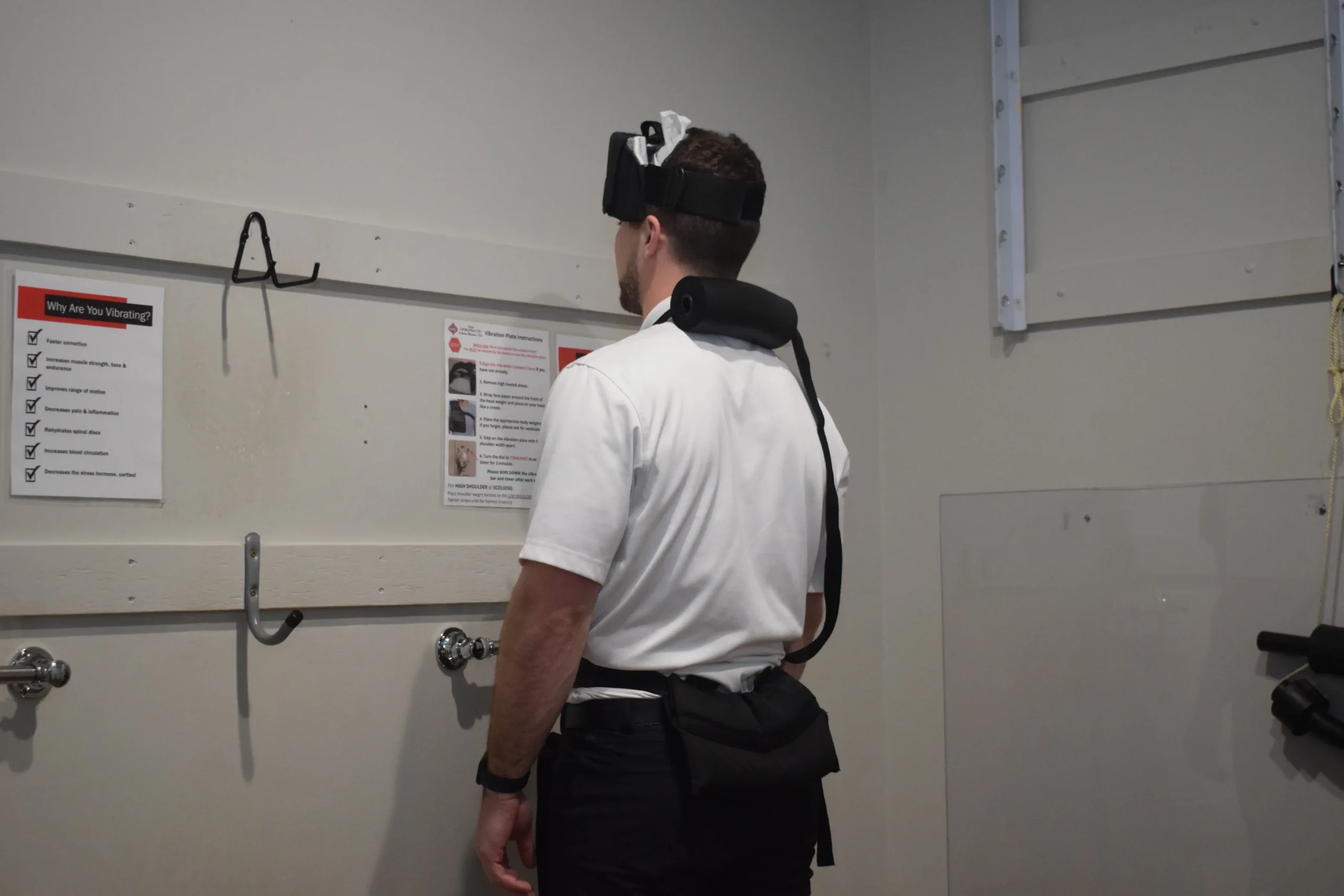
How Neck Tension and Restricted Movement May Contribute
The joints, muscles, and nerves of the upper neck are closely connected with structures that process sensation around the head and face. When certain neck joints or muscles become irritated, pain may be referred toward the base of the skull, forehead, temple, or area behind the eye.
Neck-related contributors may be more likely when:
- Head pain begins in the neck or at the base of the skull
- Symptoms occur alongside limited neck movement
- Holding or turning the head in certain positions worsens the pain
- Prolonged desk work or driving repeatedly precedes symptoms
- Tightness develops through the neck, shoulders, or upper back
- Headaches began after an injury affecting the head or neck
However, neck discomfort does not prove that a headache originates in the cervical spine. Neck pain is also common during migraine episodes, and migraines are neurological—not simply the result of a spinal restriction or postural problem.
Team Chiropractic evaluates whether joint restriction, muscle tension, previous injury, or movement limitations appear relevant. When findings do not suggest a musculoskeletal component, or symptoms indicate a possible neurological or medical condition, we will recommend the appropriate next step.
How Team Chiropractic Evaluates Migraine and Headache Concerns
Symptom and Health History
Headache Pattern and Trigger Review
Neck, Movement, and Neurological Screening
Personalized Recommendations
What Migraine and Headache Care May Include
Chiropractic Adjustments
Controlled chiropractic adjustments may be considered when restricted joint motion or neck-related mechanical factors appear to contribute to symptoms. The technique and treatment area are selected according to the individual patient and examination findings.
Soft Tissue Release
Soft tissue techniques may be used to address muscular tension or restricted movement through the neck, shoulders, and upper back. This service may be incorporated when tight or overworked muscles accompany a headache pattern.
Acupuncture
Acupuncture may be considered as a complementary option for certain headache or migraine symptoms. This service is available exclusively at Team Chiropractic’s Raleigh office on West Millbrook Road and is not currently offered at the Wakefield office.
Spinal Re-Engineering
Spinal re-engineering may incorporate individualized exercises and movement recommendations when posture, mobility, or recurring mechanical strain appears relevant. It is not automatically recommended for every headache or migraine patient.

How to Track Headaches and Support Your Progress
Migraine and headache patterns can be difficult to remember accurately between appointments. Keeping a simple record may help you and your healthcare providers identify changes, possible triggers, and whether a care plan is helping.
Consider tracking:
- The date and time each episode begins
- How long the symptoms last
- Where the pain occurs
- Whether the pain feels throbbing, sharp, dull, or pressure-like
- Symptoms such as nausea, visual changes, dizziness, or sensory sensitivity
- Neck pain, stiffness, or restricted movement
- Sleep, meals, hydration, stress, exercise, and screen use
- Menstrual or hormonal patterns when relevant
- Medications taken and how symptoms responded
- How the episode affected work, sleep, exercise, or daily activities
Helpful daily habits may include:
- Maintaining a consistent sleep schedule
- Eating regular meals
- Drinking enough water
- Taking reasonable screen and movement breaks
- Following individualized mobility recommendations
- Using prescribed medication as directed
- Discussing supplements with a qualified healthcare provider before beginning them
- Avoiding sudden changes to caffeine or medication use without appropriate guidance
Progress should not be measured only by whether pain is present. Frequency, duration, intensity, associated symptoms, medication use, and the ability to complete normal activities can all provide useful information.
When a Headache Requires Medical Attention
Most headaches are not caused by a medical emergency, but certain symptoms require immediate or prompt evaluation. Chiropractic care should never delay emergency treatment, neurological assessment, or other necessary medical care.
Call 911 or seek emergency care for:
- A sudden, extremely severe headache that reaches maximum intensity quickly
- Headache with weakness, numbness, facial drooping, confusion, or difficulty speaking
- Loss of consciousness, seizure, or severe difficulty walking
- Headache accompanied by a high fever, stiff neck, rash, or confusion
- Severe symptoms following a significant head or neck injury
- Sudden vision loss or new severe visual disturbance
- Headache with chest pain, severe shortness of breath, or other emergency symptoms
Prompt medical evaluation is also important when headaches are new, rapidly worsening, becoming more frequent, waking you from sleep, beginning during pregnancy or shortly after delivery, or accompanied by unexplained weight loss or other systemic symptoms.
A migraine aura can involve visual or sensory changes, but new neurological symptoms should not be assumed to be a familiar migraine. If you are uncertain, seek medical care.
Team Chiropractic can evaluate whether musculoskeletal factors may be involved and coordinate a referral when necessary. Do not stop prescribed medication or alter a medical treatment plan without speaking with the prescribing provider.
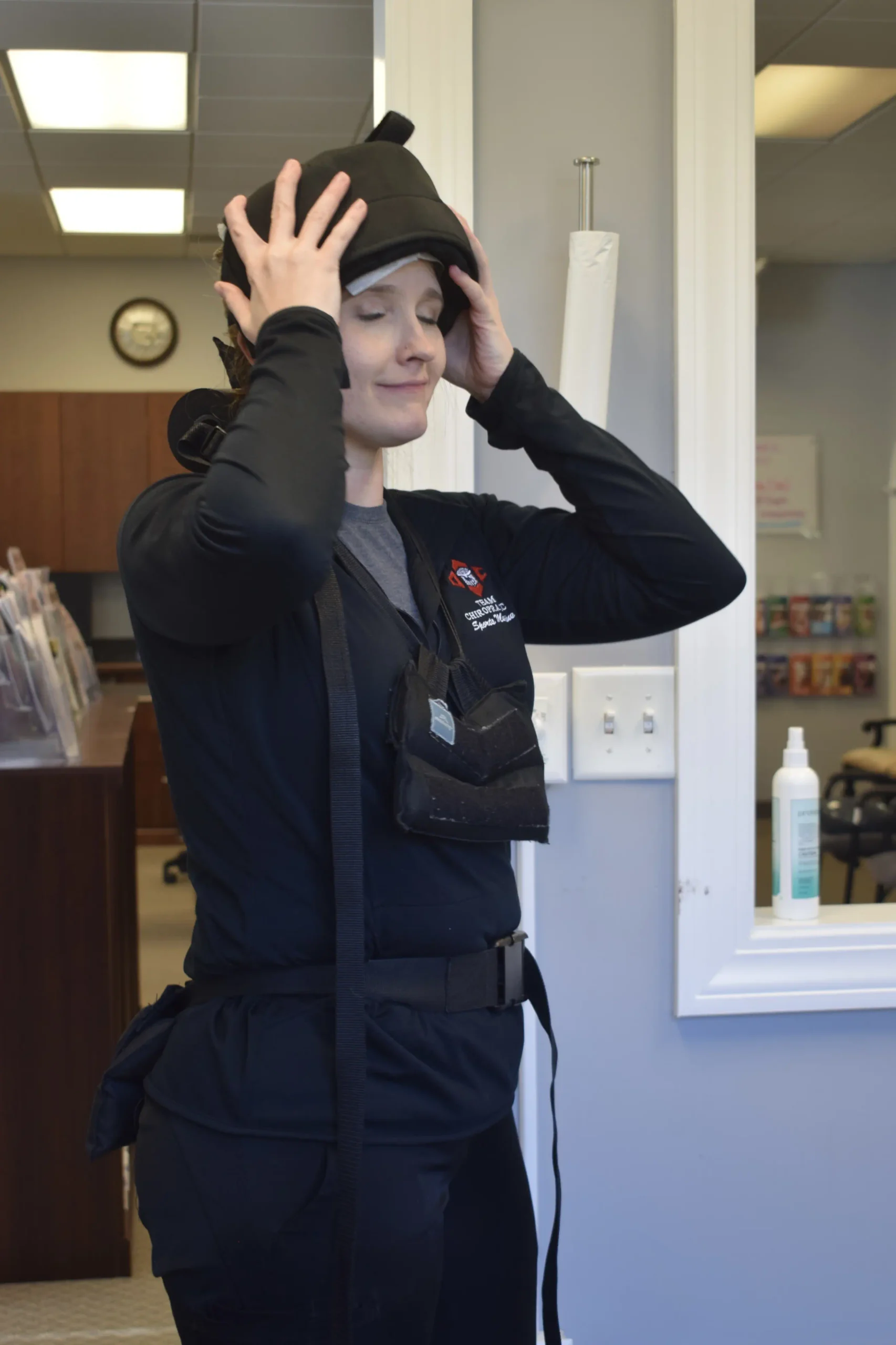
Why Raleigh and Wake Forest Patients Choose Team Chiropractic
Individual Headache Evaluations
We review your complete symptom pattern, health history, possible triggers, and previous care before making recommendations.
Care Matched to Your Findings
Chiropractic care and complementary services are recommended only when they appear appropriate for your examination and goals.
Safety-Focused Recommendations
We screen for warning signs and recommend medical evaluation or referral when symptoms fall outside the scope of conservative chiropractic care.
Two Convenient Offices
Patients can schedule evaluations at our Raleigh or Wakefield office, while acupuncture is provided exclusively at the Millbrook location.
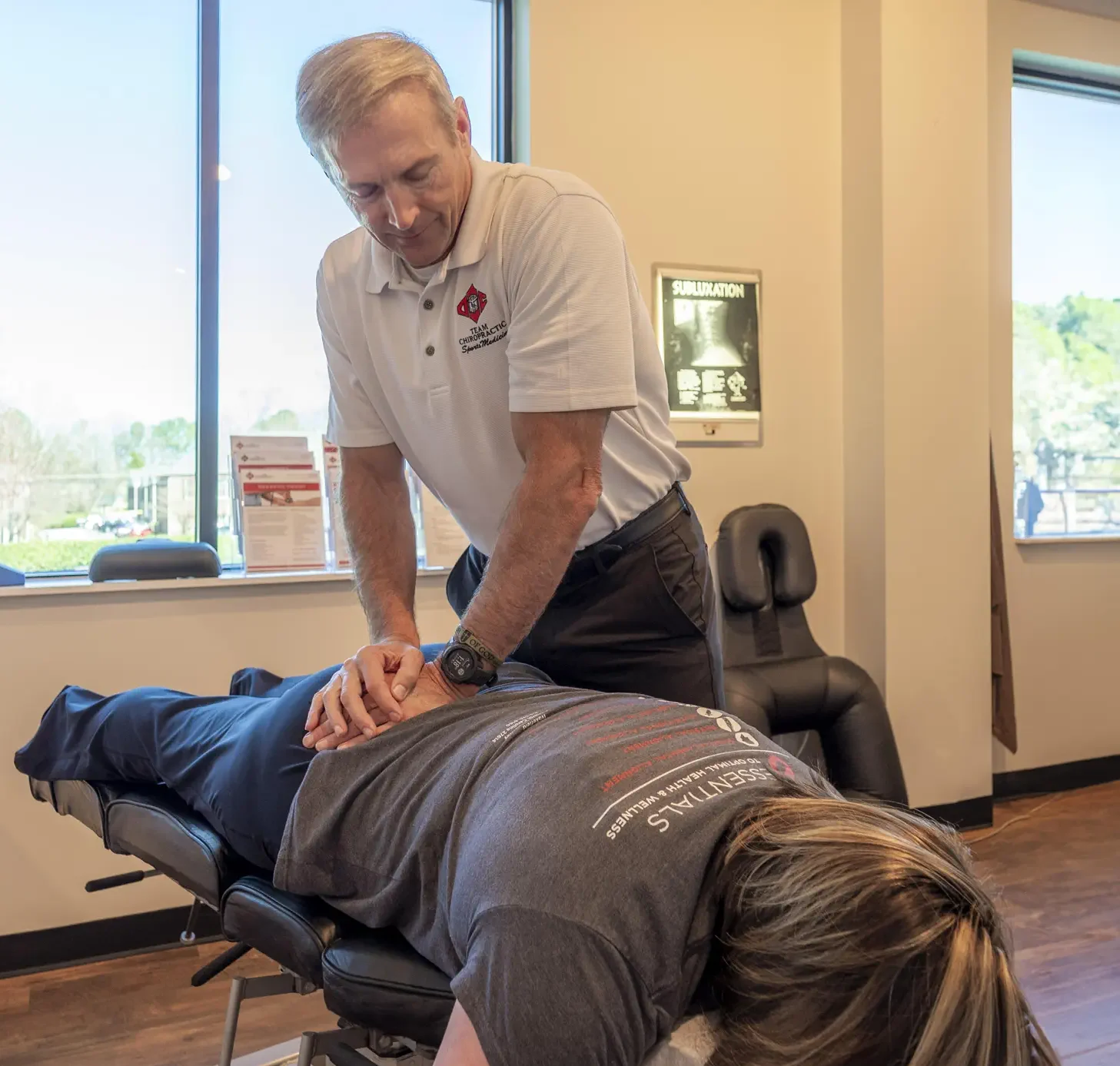
Schedule Today!
Tuesday: 7:30AM–12PM & 3PM–6PM
Wednesday: 7:30AM–12PM
Thursday: 7:30–12PM & 3PM–6PM
Friday: 7:30AM–12PM
Saturday & Sunday: Closed
Conditions Related to Headaches and Migraines
Neck Pain
Neck stiffness, restricted movement, and muscular tension may occur with tension-type or cervicogenic headaches. Neck pain can also accompany migraine without being its primary cause.
Posture-Related Discomfort
Extended screen use and prolonged positions may contribute to neck and shoulder tension for some patients. Movement habits are considered alongside other possible headache triggers rather than treated as the only explanation.
Auto Accident Injuries
Headaches can develop after an auto accident or whiplash-related injury. New headaches following a collision should be properly evaluated to rule out concussion, fracture, or another condition requiring medical care.
Can a chiropractor help with migraines?
Some patients include chiropractic care within a broader migraine management plan, particularly when neck pain, restricted movement, or muscular tension accompanies their symptoms. Evidence is not conclusive, and chiropractic care does not cure migraine or replace neurological or medical treatment.
What is the difference between a migraine and a tension headache?
Migraine is a neurological disorder that may involve throbbing pain, nausea, sensory sensitivity, visual changes, and other symptoms. A tension-type headache more commonly causes pressure or tightness around the head, scalp, neck, or shoulders.
Can neck tension cause headaches?
Muscles and joints in the neck can contribute to certain tension-type or cervicogenic headaches. However, neck tension does not cause every headache, and neck discomfort can also occur as part of a migraine episode.
What is a cervicogenic headache?
A cervicogenic headache is referred pain that originates from structures in the neck. It commonly occurs with limited neck movement or pain that begins near the base of the skull and travels toward one side of the head.
Does acupuncture help with migraines or headaches?
Research suggests acupuncture may help some people with headache or migraine symptoms, although results vary. Team Chiropractic offers acupuncture exclusively at the Millbrook office after determining whether it may be appropriate for the patient.
Will I need X-rays for a headache evaluation?
Not every patient needs X-rays. Team Chiropractic may recommend them when health history, trauma, age, or examination findings indicate that musculoskeletal imaging is appropriate. X-rays do not diagnose every possible neurological cause of headaches.
How many appointments will I need?
There is no universal treatment schedule. Recommendations depend on the type and duration of your symptoms, examination findings, response to care, and whether another healthcare provider should be involved.
Can chiropractic care replace migraine medication?
No. Do not stop or change prescribed medication without speaking with the prescribing provider. Chiropractic or complementary care may be considered alongside medical treatment when appropriate.
Can Team Chiropractic evaluate headaches after an auto accident?
Yes, our doctors can evaluate musculoskeletal factors that may contribute to symptoms following an accident. However, headaches after a collision can also indicate concussion or another injury requiring medical testing, so the appropriate medical evaluation should not be delayed.
When is a headache an emergency?
Seek emergency care for a sudden extremely severe headache, new weakness or numbness, difficulty speaking, confusion, seizure, fainting, high fever with neck stiffness, sudden vision loss, or severe symptoms following significant trauma.