
Prenatal Chiropractor Serving Raleigh & Wake Forest, NC
Team Chiropractic provides personalized chiropractic care during pregnancy for patients experiencing back pain, pelvic discomfort, sciatica-like symptoms, stiffness, or changing mobility. Care is adapted to your stage of pregnancy, examination findings, and comfort at our Raleigh and Wakefield offices.
Get in Touch
What Is Prenatal Chiropractic Care?
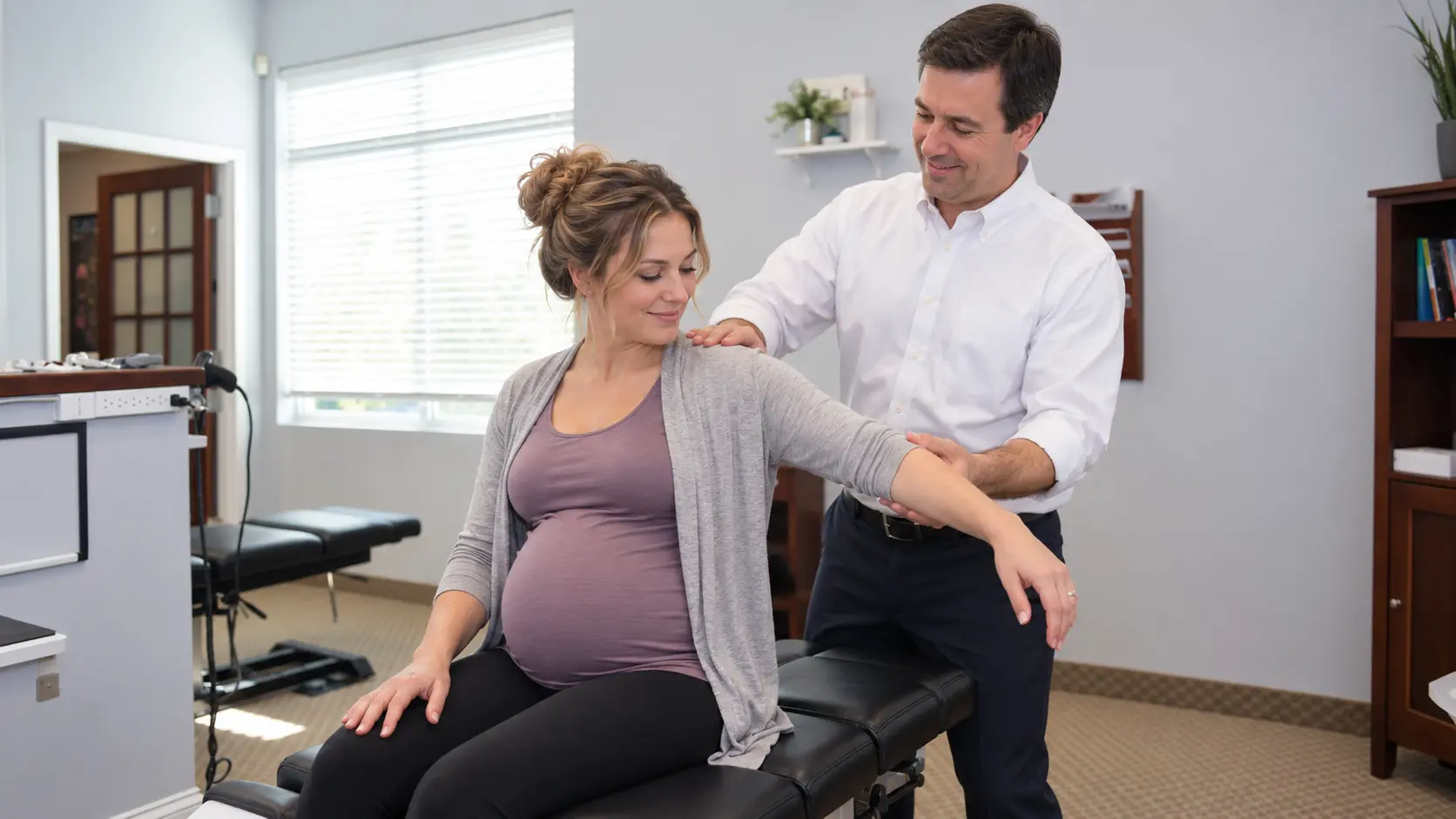
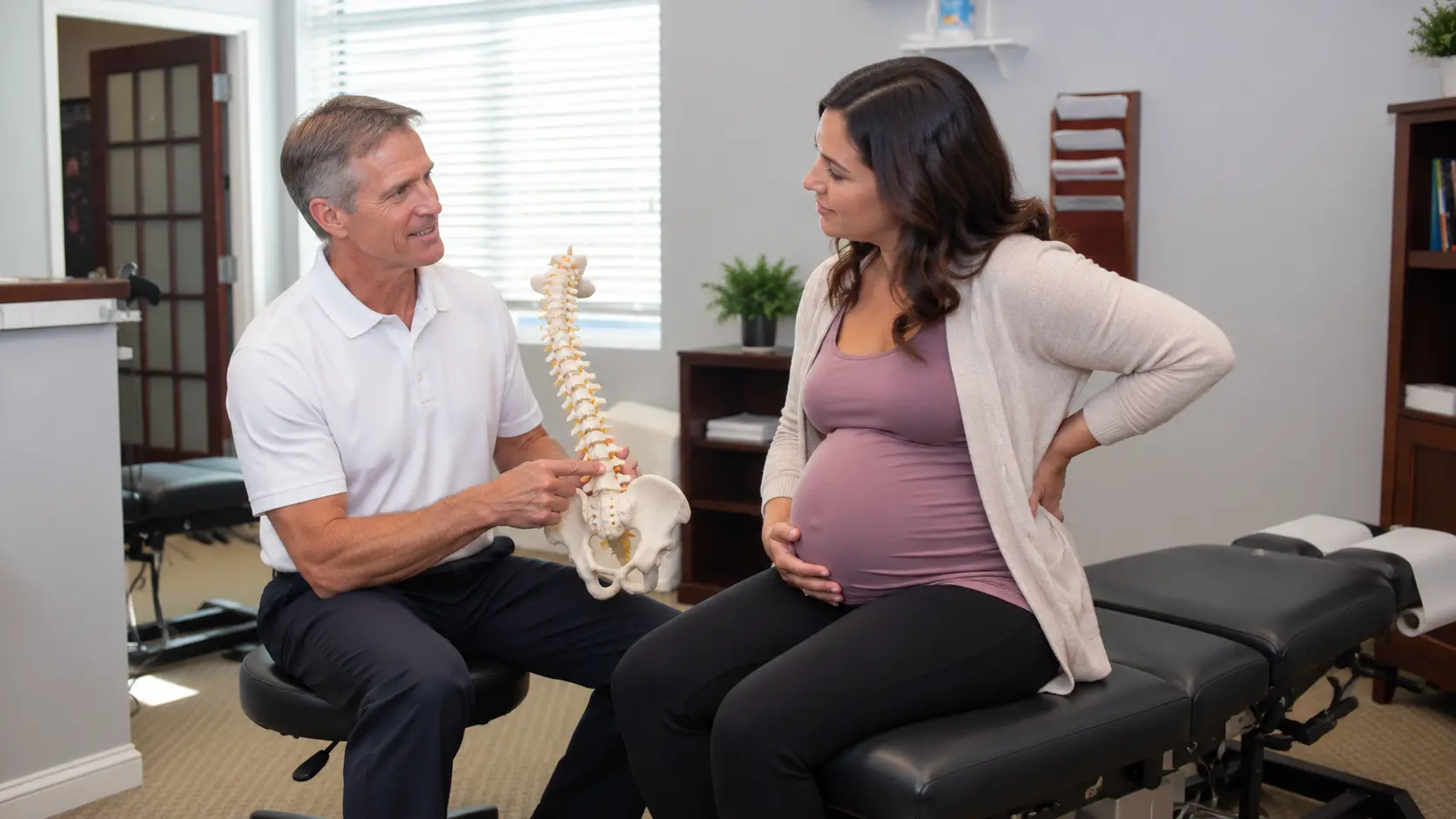
Prenatal chiropractic care is chiropractic care modified around the physical changes, positioning needs, and health considerations of pregnancy. It may be considered by pregnant patients experiencing musculoskeletal discomfort or difficulty moving comfortably.
Unlike a standard appointment, pregnancy chiropractic care may involve:
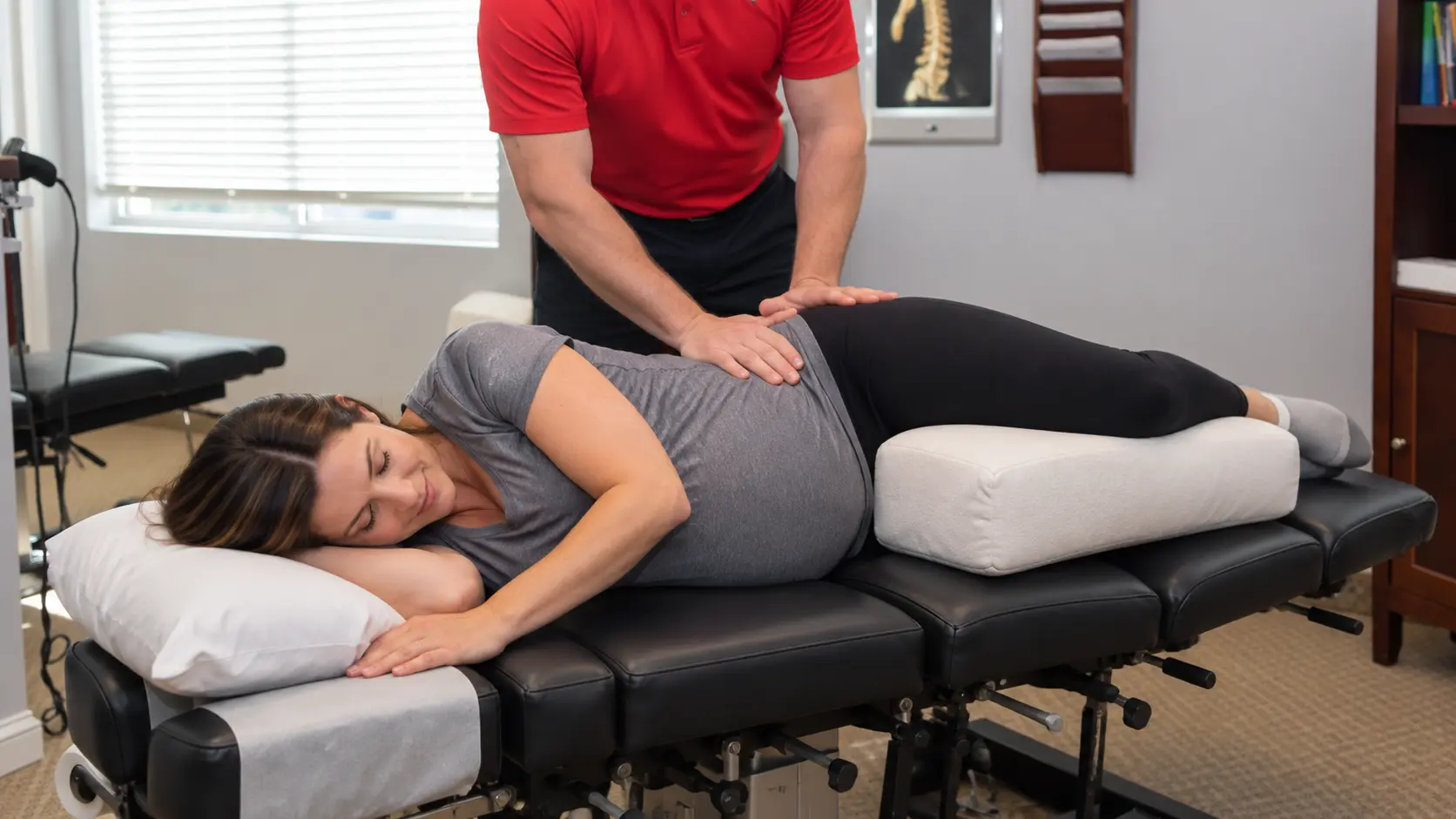
- Supportive cushions or pregnancy-specific positioning
- Techniques that avoid unnecessary pressure on the abdomen
- Controlled adjustments selected for the patient and stage of pregnancy
- Evaluation of the lower back, pelvis, hips, and other symptomatic areas
- Ongoing communication about comfort during each appointment
- Coordination with an OB-GYN, midwife, or other prenatal provider when appropriate
Care is not based on pregnancy alone. Team Chiropractic first evaluates your symptoms, health history, and movement to determine whether chiropractic care is appropriate and which techniques should be considered.
Why People Visit a Chiropractor During Pregnancy
Pregnancy can change how it feels to sit, stand, walk, exercise, sleep, and complete everyday tasks. Some patients begin care after developing a new concern, while others seek an evaluation when a previous back, hip, or joint problem becomes more noticeable.
Common reasons people visit a pregnancy chiropractor include:
- Lower-back discomfort that increases with standing or walking
- Pelvic or hip pain while turning in bed or climbing stairs
- Sciatica-like pain, tingling, or discomfort traveling into a leg
- Stiffness after sitting, driving, or working
- Upper-back, neck, or rib-area tension
- Difficulty finding a comfortable sleeping position
- Discomfort while lifting, exercising, or caring for other children
- Questions about maintaining comfortable movement as pregnancy progresses
These symptoms should not automatically be blamed on pregnancy. An evaluation can help determine whether the concern appears musculoskeletal or should first be discussed with your prenatal healthcare provider.
Musculoskeletal Symptoms That May Be Evaluated
Lower-Back Pain During Pregnancy
Pelvic, Hip, and SI Joint Discomfort
Sciatica-Like Symptoms
Upper-Back, Rib, and Neck Tension
How Pregnancy Can Affect the Back, Pelvis, and Joints
Pregnancy does not affect every person in the same way. However, increased body weight, a forward-shifting center of gravity, abdominal changes, and greater demands on the hips and lower back can alter how everyday movement feels.
Hormonal changes also affect ligaments and other connective tissues. This does not mean that the pelvis is simply “out of alignment,” but it can influence joint support, movement, and sensitivity in some patients. Previous injuries, physical demands, activity level, sleep, footwear, and the way the body adapts can also affect symptoms.
The goal of an evaluation is not to prevent normal pregnancy-related changes. It is to identify modifiable musculoskeletal factors that may be contributing to discomfort and determine whether individualized chiropractic care or another form of support is appropriate.
Chiropractic Care During the First, Second, and Third Trimesters
Chiropractic care should be adapted as pregnancy progresses rather than delivered through one standard approach.
During the first trimester, your body may be changing before those changes are externally visible. Patients should tell their chiropractor that they are pregnant or may be pregnant so health history, positioning, and care decisions can be adjusted appropriately.
During the second trimester, changes in weight distribution, sleep position, movement, and joint loading may become more noticeable. Care may focus on new back, hip, pelvic, or postural concerns while continuing to prioritize comfortable positioning.
During the third trimester, lying positions and techniques may require further modification. Supportive cushions, side-lying positions, shorter periods in one position, and carefully selected techniques may make appointments more comfortable.
There is no required trimester for beginning care. Whether care is appropriate depends on your symptoms, pregnancy history, health status, and recommendations from your prenatal healthcare team.
Is Chiropractic Care Safe During Pregnancy?
Chiropractic care may be considered during pregnancy when it is provided by a licensed chiropractor who knows the patient is pregnant, completes an appropriate evaluation, and adapts care to the individual. However, no healthcare treatment is appropriate for every pregnant patient or completely free of risk.
Tell your chiropractor about your pregnancy, due date, health conditions, medications, previous complications, and any instructions from your OB-GYN or midwife. Team Chiropractic may modify positioning and technique, coordinate with your prenatal provider, postpone treatment, or recommend medical evaluation based on your history and symptoms.
Chiropractic care does not replace prenatal medical care. Contact your prenatal provider promptly if you experience significant or worsening pain, vaginal bleeding, fluid leakage, fever, burning with urination, cramping or contractions, severe headache, vision changes, sudden swelling, decreased fetal movement, or another concerning change.
Call emergency services for severe symptoms or whenever your prenatal provider has instructed you to seek immediate care.
How Team Chiropractic Evaluates Pregnant Patients
Pregnancy and Health History
We review your stage of pregnancy, symptoms, previous injuries, health conditions, and relevant guidance from your prenatal provider.
Symptom and Safety Screening
Your doctor asks where symptoms occur, what affects them, and whether warning signs indicate that medical evaluation should come first.
Movement and Joint Assessment
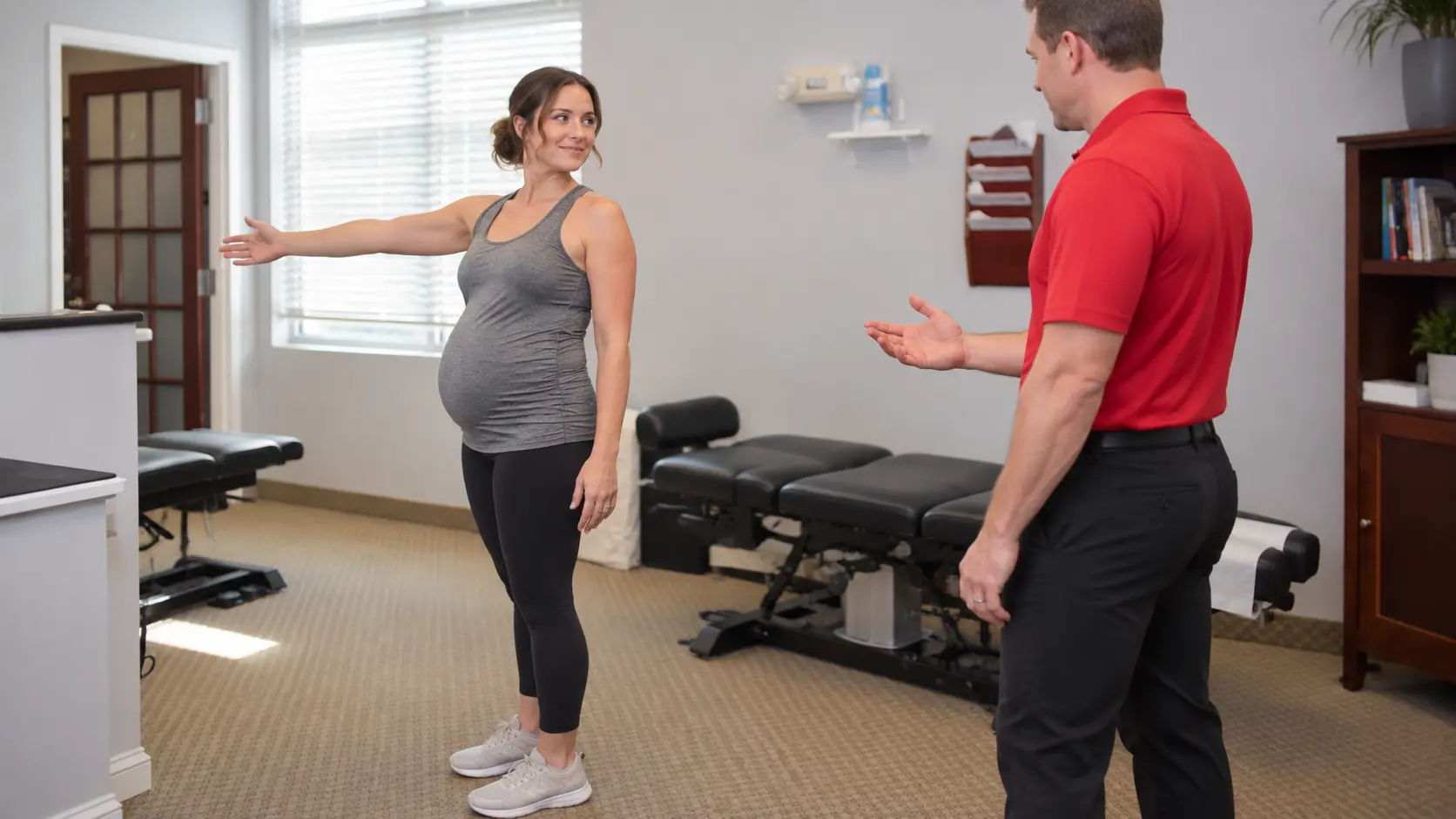
The examination may assess relevant movement, joint motion, muscle tension, tenderness, strength, or neurological function without unnecessary testing.
Personalized Recommendations
Your doctor explains the findings, appropriate care options, and whether coordination with another healthcare professional is recommended.
How Chiropractic Care Is Modified During Pregnancy
Supportive Positioning
Carefully Selected Techniques
Ongoing Communication
Progress Review
What Is the Webster Technique?
The Webster Technique is a specific chiropractic approach involving an assessment of the sacral and pelvic region followed by an adjustment and, when appropriate, related soft-tissue contact.
Important distinctions include:
- It focuses on the pregnant patient. The technique evaluates pelvic and sacral biomechanics rather than diagnosing or treating the baby.
- It is not a breech-turning procedure. Chiropractors do not manually reposition a baby through the Webster Technique.
- It does not replace obstetric care. Questions about fetal position, delivery, or pregnancy complications should be directed to an OB-GYN or midwife.
- It is not required for every pregnant patient. Your chiropractor should determine whether this approach fits your examination findings and comfort.
- Outcomes cannot be guaranteed. The technique should not be presented as a way to ensure a particular fetal position, labor experience, or delivery outcome.
Team Chiropractic may incorporate the Webster Technique when it is clinically appropriate. The doctor will explain what is being evaluated, how the technique is performed, and why it is or is not being recommended.
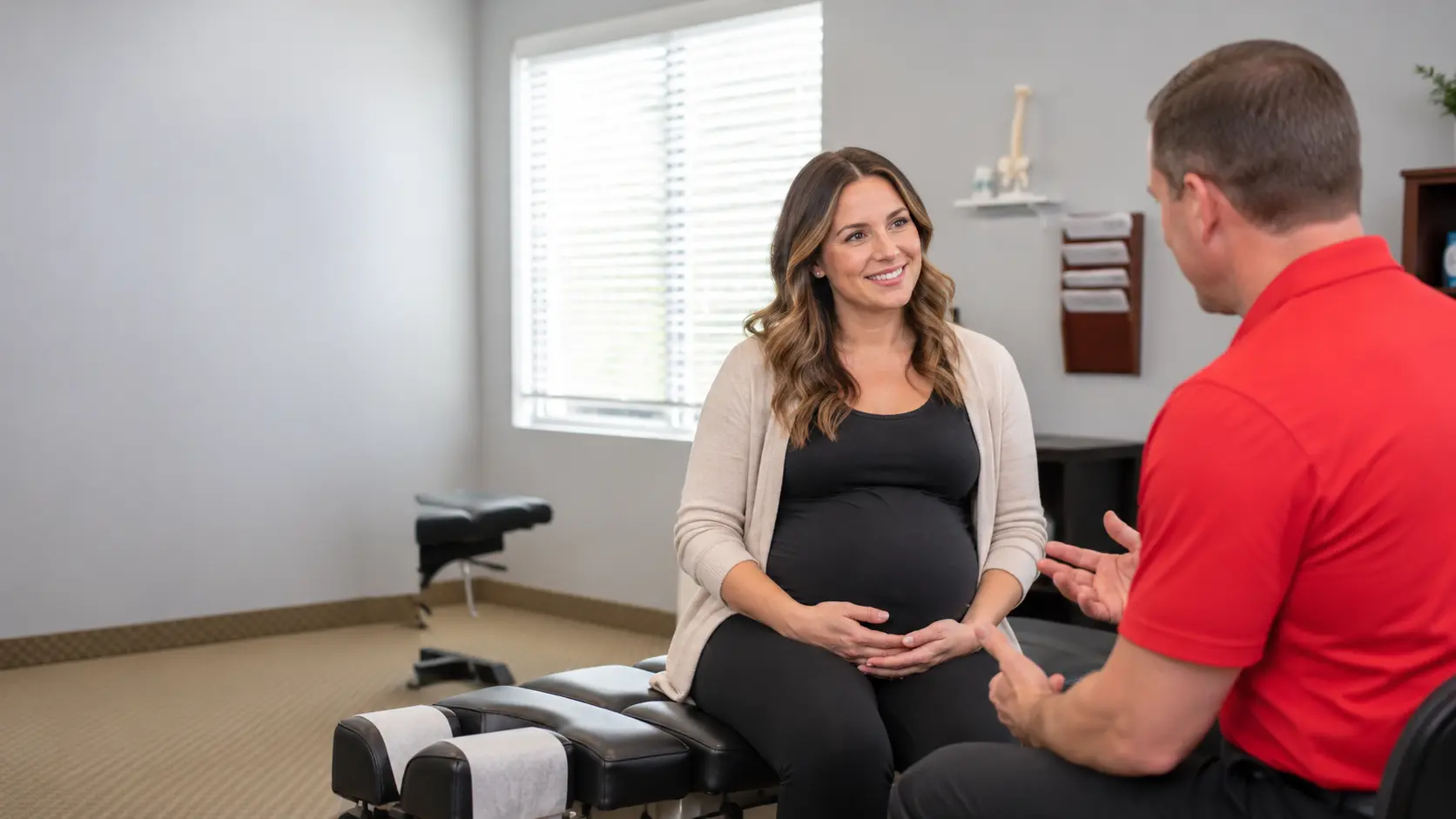
What Pregnancy Chiropractic Care May Include
Chiropractic Adjustments
Controlled adjustments may be used to address restricted joint motion in the spine, pelvis, or other appropriate areas. Technique, positioning, and force are modified around the patient’s pregnancy and comfort.
Soft Tissue Release
Selected soft-tissue techniques may be considered when muscular tension or restricted movement contributes to back, hip, neck, or shoulder discomfort. The areas addressed and pressure used should be appropriate for pregnancy.
Custom Orthotics
Pregnancy-related changes in weight distribution may make existing foot, ankle, knee, hip, or lower-back concerns more noticeable. When lower-body mechanics appear relevant, your doctor may evaluate whether footwear changes or custom orthotics should be considered.
What to Expect at Your Appointment
You can begin with a free consultation to discuss what you are experiencing and whether Team Chiropractic may be an appropriate place to start. The free consultation is separate from any examination, imaging, or treatment that may later be recommended.
If you move forward, your doctor will review your pregnancy and health history, previous injuries, current symptoms, daily activities, and guidance from your prenatal provider. A physical examination may then be performed to evaluate the symptomatic areas and screen for findings that require medical attention.
Your doctor will explain whether chiropractic care appears appropriate, which techniques may be considered, how positioning will be modified, and what alternatives are available. Treatment during the first visit is not guaranteed and should only begin after the necessary evaluation has been completed.
Wear comfortable clothing and bring any relevant medical instructions or imaging reports. You are encouraged to ask questions and speak up whenever a position or technique needs to be changed.
Supporting Comfort Between Prenatal Chiropractic Visits
Recommendations between visits should be based on your pregnancy, symptoms, activity level, and guidance from your prenatal healthcare team. General strategies may include:
- Change positions regularly rather than remaining seated or standing for long periods.
- Use pillows to support comfortable side sleeping when recommended by your prenatal provider.
- Wear stable, supportive footwear for walking and daily activity.
- Keep objects close to your body and bend through your knees when lifting manageable items.
- Avoid activities or exercises that noticeably worsen your symptoms.
- Continue appropriate physical activity if your prenatal healthcare provider has cleared you to do so.
- Complete only the stretches or exercises specifically recommended for you.
- Notice whether certain movements, sleeping positions, or activities consistently trigger symptoms.
- Tell your chiropractor and prenatal provider when symptoms change.
Do not attempt to push through sharp, progressive, or unfamiliar pain. New symptoms during pregnancy should be communicated promptly to the appropriate healthcare professional.
Conditions Related to Pregnancy Discomfort
Back Pain
Learn how Team Chiropractic evaluates lower, middle, and upper-back discomfort. Pregnancy-specific care requires additional considerations beyond those used for general back pain.
Sciatica
Explore symptoms such as radiating leg pain, numbness, tingling, or burning. Similar symptoms can have different causes, particularly during pregnancy, so self-diagnosis is not recommended.
Joint Pain
Hip, pelvic, knee, ankle, and other joint concerns may affect walking, sleeping, or everyday movement. Your evaluation can help identify which structures and activities appear relevant.
Posture-Related Discomfort
Changes in sitting, standing, sleeping, and weight distribution may contribute to muscle fatigue or stiffness. Care should support comfortable movement rather than attempt to force one “perfect” posture.
Why Choose Team Chiropractic During Pregnancy?
Pregnancy-Adapted Care
Positioning and techniques are modified around your changing body and comfort.
Individual Evaluations
Recommendations are based on your findings rather than a standard prenatal treatment plan.
Clear Clinical Boundaries
We explain what chiropractic care may address and when your prenatal or medical provider should be involved.
Two Convenient Offices
Care is available at our Raleigh chiropractic office and Wakefield chiropractic office near Wake Forest.
Schedule Today!
Tuesday: 7:30AM–12PM & 3PM–6PM
Wednesday: 7:30AM–12PM
Thursday: 7:30–12PM & 3PM–6PM
Friday: 7:30AM–12PM
Saturday & Sunday: Closed
Can I visit a chiropractor while pregnant?
Chiropractic care may be considered during pregnancy, but it should begin with an appropriate health history and evaluation. Tell the chiropractor that you are pregnant and discuss complementary care with your OB-GYN or midwife, particularly if your pregnancy is considered high-risk or you have concerning symptoms.
When can I begin chiropractic care during pregnancy?
There is no single trimester when every patient should begin care. Some patients seek an evaluation early in pregnancy, while others begin after developing back, pelvic, hip, or mobility concerns later. Appropriateness depends on your health, symptoms, pregnancy history, and prenatal provider’s guidance.
Can I see a chiropractor during the first trimester?
Being in the first trimester does not automatically prevent you from consulting a chiropractor. The doctor should know that you are pregnant or may be pregnant before completing an examination, recommending imaging, or beginning care.
Can a chiropractor help with lower-back pain during pregnancy?
Chiropractic care may be considered when lower-back pain appears related to joints, muscles, movement, or other musculoskeletal factors. Because back pain during pregnancy can occasionally be associated with a medical or obstetric concern, proper screening is necessary before treatment.
Can prenatal chiropractic care help with sciatica during pregnancy?
Care may help some patients manage musculoskeletal factors contributing to sciatica-like symptoms, but radiating pain is not always caused by the sciatic nerve. An evaluation helps determine whether chiropractic care is appropriate or another healthcare provider should be involved.
Are chiropractic adjustments modified for pregnant patients?
They should be. Positioning, technique, force, and the areas addressed may be changed according to the patient’s stage of pregnancy, examination findings, and comfort.
Does the Webster Technique turn a breech baby?
No. The Webster Technique is a chiropractic assessment and adjustment focused on the patient’s sacral and pelvic region. It is not an obstetric procedure for manually turning a baby and should not be promoted as a treatment for breech presentation.
Do I need a referral from my OB-GYN?
A referral is not always required to schedule a chiropractic consultation, but individual insurance requirements and medical circumstances vary. Team Chiropractic may recommend communicating with or obtaining guidance from your prenatal provider before beginning care.
Will I have to lie on my stomach?
Not necessarily. Supportive cushions, table modifications, or side-lying positions may be used depending on your stage of pregnancy and comfort. Tell your doctor immediately if any position feels uncomfortable.
Is prenatal chiropractic care available at both locations?
Team Chiropractic provides prenatal chiropractic care through its Raleigh office on West Millbrook Road and Wakefield office in North Raleigh near Wake Forest. Contact the preferred office when scheduling to confirm provider availability and ask whether a specific technique is offered there.
What pregnancy symptoms require medical care instead of a chiropractic appointment?
Contact your prenatal healthcare provider promptly for vaginal bleeding, fluid leakage, fever, cramping or contractions, burning with urination, severe or rapidly worsening pain, severe headache, vision changes, sudden swelling, decreased fetal movement, or other concerning symptoms. Seek emergency care when symptoms are severe or your prenatal provider has instructed you to do so.