
Shockwave Therapy in Raleigh & Wakefield, NC
Team Chiropractic provides radial shockwave therapy for selected cases of plantar fasciitis, chronic tendon pain, overuse injuries, and persistent soft-tissue discomfort. Treatment recommendations are based on an evaluation of your symptoms, health history, movement, and recovery goals.
Get in Touch
What Is Shockwave Therapy?
Shockwave therapy is a noninvasive treatment that applies mechanical pressure waves to a targeted area of the body. It is commonly considered for persistent tendon, fascia, and other soft-tissue concerns that have not improved as expected with rest or basic self-care.
Despite its name, the treatment does not send an electrical shock through your body.
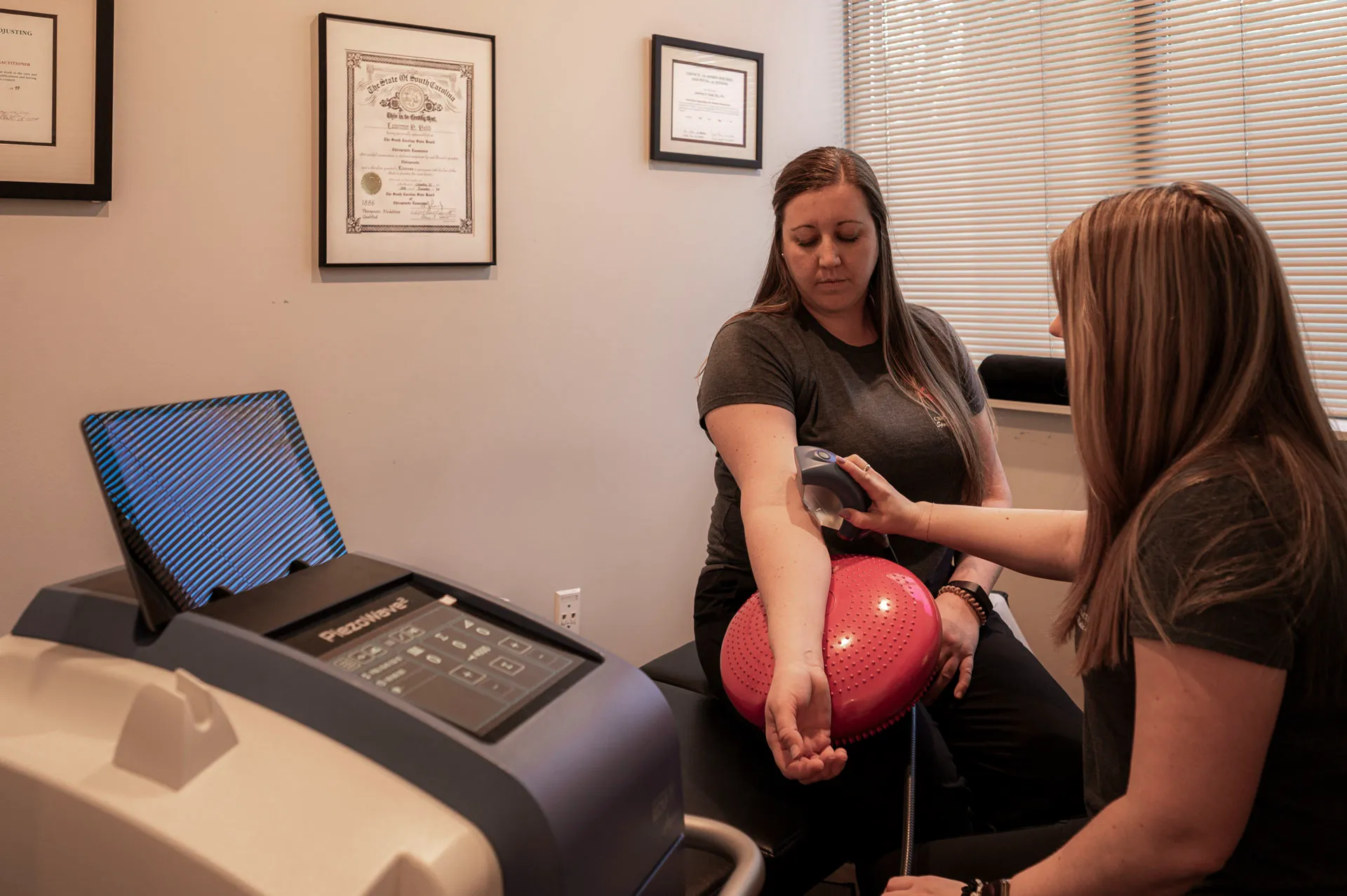
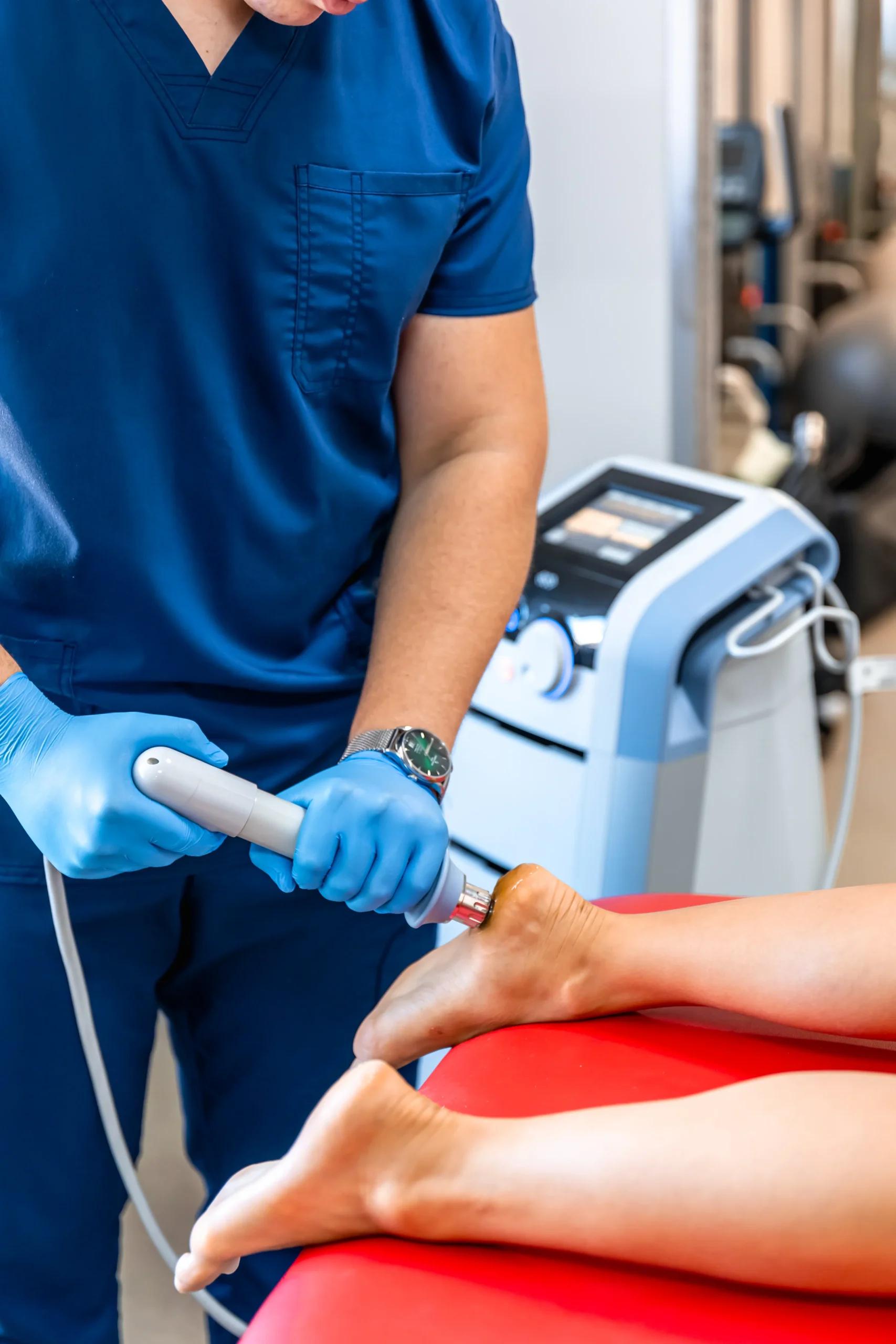
Team Chiropractic uses radial shockwave therapy, also described more precisely as radial pressure wave therapy. A handheld applicator produces mechanical pulses that spread through a broader treatment area. The settings can be adjusted according to the tissue being treated, the condition, and the patient’s comfort.
Shockwave therapy may be incorporated into care to:
- Address selected areas of persistent tendon or fascia pain
- Apply targeted mechanical stimulation to the symptomatic tissue
- Support a broader rehabilitation or activity-return plan
- Provide a noninvasive option before more invasive interventions are considered
- Complement appropriate exercise, soft-tissue care, or biomechanical support
- Help patients work toward more comfortable movement and activity
Shockwave therapy is not appropriate for every type of pain. An evaluation is needed to determine whether the symptoms involve tissue that may respond to this treatment or require a different approach.
What Is Shockwave Therapy Used For?
Plantar Fasciitis and Persistent Heel Pain
Achilles and Patellar Tendon Pain
Elbow and Shoulder Tendon Concerns
Sports and Overuse Injuries
How Does Shockwave Therapy Work?
Radial Pressure Waves Are Applied
The applicator delivers repeated mechanical pulses through the skin. Radial energy disperses across a broader area rather than concentrating at one deep focal point.
Tissue Receives Mechanical Stimulation
The pressure waves place controlled mechanical input into the targeted tissue. This process may influence local biological activity associated with tissue adaptation and recovery.
Treatment Is Adjusted to the Patient
Intensity, frequency, applicator position, and treatment duration can be modified according to the area being addressed and the patient’s tolerance.
Progress Is Reassessed
Shockwave therapy is usually provided as part of a care plan rather than as a single isolated procedure. Symptoms, movement, and activity tolerance are reviewed as treatment progresses.
What Does Shockwave Therapy Feel Like?
During treatment, you may feel rapid tapping or pulsing against the skin. The sensation can range from mild pressure to temporary tenderness, particularly when the applicator passes over an already sensitive tendon or soft-tissue area.
Shockwave therapy should not require you to silently tolerate excessive pain. Tell your provider what you feel so the intensity, applicator position, or treatment approach can be adjusted when appropriate.
After an appointment, the treated area may feel temporarily sore or sensitive. Mild redness or bruising can also occur. Some patients return to normal daily activities promptly, while others may be advised to modify strenuous activity for a period based on the condition treated and their response.
Are You a Good Candidate for Shockwave Therapy?
Shockwave therapy is most commonly considered for a localized tendon, fascia, or soft-tissue problem that has persisted despite reasonable time, activity modification, or other conservative care. It may be particularly relevant when pain repeatedly returns during work, exercise, or daily movement.
You may be evaluated for shockwave therapy if you have:
- Persistent plantar fascia or heel pain
- Achilles, patellar, elbow, shoulder, or hip tendon discomfort
- A sports or overuse injury that has been slow to improve
- A clearly localized painful area within a tendon or related soft tissue
- Symptoms that return whenever activity is increased
- A goal of exploring noninvasive care before discussing more invasive options
- The ability to participate in any rehabilitation or activity changes recommended with treatment
Having one of these concerns does not automatically make shockwave therapy appropriate. New injuries, widespread pain, neurological symptoms, suspected fractures, significant swelling, or pain caused by another medical condition may require different testing or care.
How Team Chiropractic Evaluates Your Condition
Health and Injury History
We discuss when your symptoms began, previous injuries, treatments already attempted, health conditions, medications, and the activities affected by the problem.
Pain and Tissue Assessment
Your doctor may examine the symptomatic tissue, nearby joints, tenderness, swelling, and the specific movements or loads that reproduce your discomfort.
Movement and Functional Testing
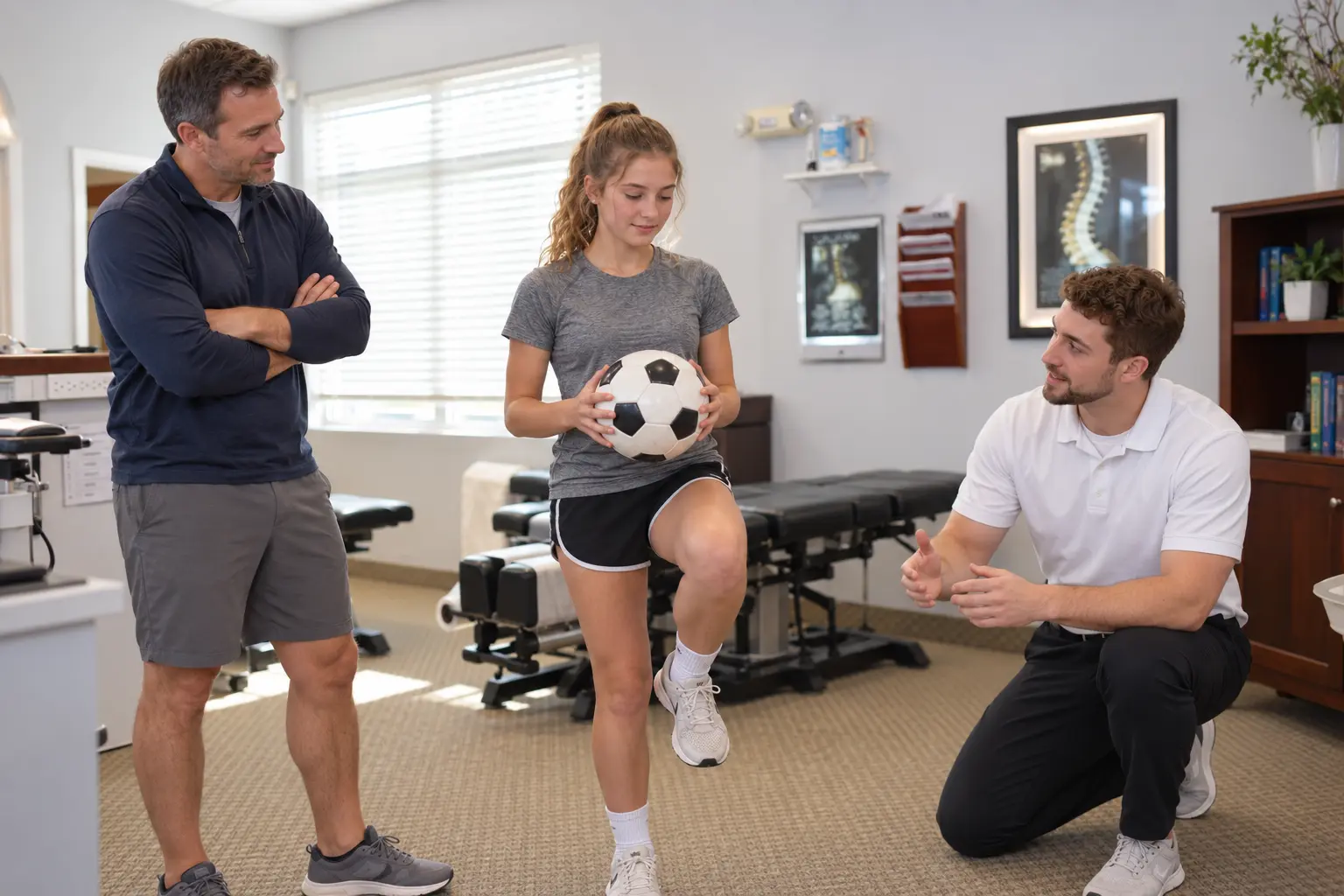
Relevant strength, mobility, balance, walking, lifting, or sport-specific movements may be assessed to identify factors associated with the problem.
Imaging and Medical Screening
Existing imaging may be reviewed, and additional imaging or medical evaluation may be recommended when the findings suggest that shockwave therapy should not begin immediately.
What to Expect During Shockwave Therapy
Confirming the Treatment Area
Preparing and Positioning You
Applying Radial Shockwave Therapy
Reviewing Aftercare and Progress
How Many Shockwave Therapy Sessions Will You Need?
There is no universal number of shockwave therapy sessions for every patient. The recommended timeline depends on the tissue involved, how long symptoms have been present, previous care, health history, activity level, and response to treatment.
Shockwave therapy is often provided as a series of appointments spaced over several weeks. That does not mean every patient should receive the same package or schedule. Team Chiropractic will monitor changes in pain, movement, and activity tolerance before recommending that treatment continue, change, or conclude.
Some patients notice changes relatively early, while others improve more gradually as the tissue adapts and rehabilitation progresses. Immediate improvement is not guaranteed, and the absence of a dramatic change after one session does not necessarily predict the final result.
Your care plan should also include clear goals. These may involve walking more comfortably, tolerating work tasks, returning to exercise, increasing tendon load, or completing a particular movement with less discomfort.
What Is the Difference Between Shockwave and K-Laser Therapy?
Shockwave therapy and K-Laser therapy are noninvasive services, but they apply different forms of energy and are not interchangeable.
Shockwave therapy applies mechanical pressure waves to a targeted tendon, fascia, or soft-tissue area. Patients feel repeated tapping or pulsing during treatment. It is often considered for persistent, localized concerns such as plantar fasciitis and selected tendinopathies.
K-Laser therapy applies therapeutic light energy to the treatment area. It does not create the same tapping sensation and may be considered for a different range of musculoskeletal concerns based on the patient’s evaluation.
One option is not automatically better than the other. The appropriate choice depends on the tissue involved, the condition, symptom duration, treatment goals, health history, and available clinical findings. In some cases, the services may be used at different stages of the same care plan.
Services That May Complement Shockwave Therapy
Sports Rehabilitation
Sports rehabilitation may include individualized mobility, strength, stability, and progressive loading recommendations. Rehabilitation can help the treated tissue gradually tolerate the demands of exercise, work, or sport.
Soft Tissue Release
Soft tissue release uses targeted manual techniques to address muscular tension and restricted movement. It may complement shockwave therapy when surrounding muscles or related soft tissues are affecting movement.
K-Laser Therapy
K-Laser therapy may be considered for targeted areas of pain or soft-tissue discomfort as part of a broader care plan. Its suitability depends on the type of injury, the tissues involved, and the patient’s health history.
Chiropractic Adjustments
Chiropractic adjustments use controlled movements to address restricted joints and support mobility. They may be considered when joint function near or away from the painful tissue appears relevant to the patient’s symptoms.
Supporting Recovery During Shockwave Therapy
Shockwave therapy does not eliminate the need to manage the activities placing demand on the injured tissue. Your provider may recommend temporarily changing exercise volume, repetitive work, walking distance, or another aggravating activity while maintaining an appropriate level of movement.
Depending on your condition, recovery recommendations may include:
- Follow the activity guidance provided for the treated tissue.
- Avoid aggressively pressing, scraping, or repeatedly testing a sore area.
- Complete prescribed mobility or strengthening exercises with the recommended technique and frequency.
- Increase running, lifting, jumping, or sport-specific activity gradually.
- Wear stable footwear suited to your activity and foot-support needs.
- Pay attention to how symptoms respond during activity and the following day.
- Tell your provider about new swelling, bruising, numbness, weakness, or worsening pain.
- Keep follow-up appointments so progress and treatment tolerance can be reassessed.
Rest alone does not always prepare a tendon to tolerate activity again. When appropriate, a gradual loading or rehabilitation plan can help bridge the gap between reduced symptoms and returning to normal demands.
Is Shockwave Therapy Safe?
Shockwave therapy is generally considered noninvasive, but that does not mean it is appropriate for every patient or completely free of side effects. Temporary discomfort during treatment, soreness afterward, skin redness, swelling, or minor bruising may occur.
Before treatment, tell Team Chiropractic if you are pregnant or may be pregnant, use anticoagulant medication, have a bleeding or clotting disorder, have an active infection, have recently undergone surgery, or have been diagnosed with cancer or another significant condition involving the treatment area. You should also report suspected fractures, loss of sensation, significant circulation problems, implanted medical devices, and all medications or medical restrictions.
The presence of a health condition does not always answer the question by itself. The location being treated, type of device, treatment intensity, and your medical history must be considered together.
Shockwave therapy should not be used to delay necessary medical care. Seek prompt medical evaluation for severe or rapidly worsening pain, major trauma, substantial swelling or deformity, unexplained fever, progressive numbness or weakness, loss of coordination, or other concerning changes. Team Chiropractic may postpone treatment, recommend imaging, or refer you to another healthcare professional when appropriate.
Why Choose Team Chiropractic for Shockwave Therapy?
Evaluation Before Treatment
Shockwave therapy begins with determining what tissue may be involved and whether the treatment is appropriate for your symptoms.
Adjustable Radial Technology
Treatment settings and applicator placement can be adapted to the targeted area and your tolerance.
Integrated Care Options
When appropriate, shockwave therapy can be coordinated with rehabilitation, soft-tissue care, chiropractic adjustments, or orthotic support.
Experienced Local Team
Team Chiropractic has served the Raleigh area for more than 30 years, with offices in Raleigh and Wakefield near Wake Forest.

Schedule Today!
Tuesday: 7:30AM–12PM & 3PM–6PM
Wednesday: 7:30AM–12PM
Thursday: 7:30–12PM & 3PM–6PM
Friday: 7:30AM–12PM
Saturday & Sunday: Closed
Is shockwave therapy an electrical treatment?
No. Shockwave therapy applies mechanical pressure waves to the treatment area. It does not send an electrical shock through your body.
Is radial shockwave therapy the same as extracorporeal shockwave therapy?
The terms are frequently used together in patient-facing materials, but there are technical differences. Team Chiropractic uses radial shockwave therapy, more precisely described as radial pressure wave therapy, which distributes mechanical energy across a broader treatment area.
Does shockwave therapy hurt?
You may feel rapid tapping, pressure, or temporary tenderness, especially over a sensitive area. Intensity can generally be adjusted, so communicate with your provider throughout the appointment.
What conditions can shockwave therapy address?
Shockwave therapy may be considered for plantar fasciitis, Achilles or patellar tendon pain, tennis elbow, selected shoulder tendon concerns, and certain persistent sports or overuse injuries. An evaluation is necessary because not every cause of pain is appropriate for this treatment.
Can shockwave therapy help plantar fasciitis?
Shockwave therapy is used as a conservative option for selected cases of persistent plantar fasciitis or plantar heel pain. Team Chiropractic may also evaluate activity level, footwear, calf mobility, foot mechanics, and whether custom orthotics should be considered.
How many shockwave therapy sessions will I need?
The number and frequency of appointments depend on the condition, symptom duration, tissue involved, response to treatment, and overall care plan. Team Chiropractic will not assume that every patient requires the same treatment schedule.
How quickly does shockwave therapy work?
Response times vary. Some patients notice changes earlier in care, while others improve more gradually over several weeks. No provider can guarantee a particular outcome or timeline.
Can I exercise after shockwave therapy?
That depends on the area treated, condition, activity, and response to the session. You may be asked to avoid or modify strenuous loading temporarily while continuing appropriate movement or rehabilitation exercises.
Is shockwave therapy better than K-Laser therapy?
Neither treatment is universally better. Shockwave applies mechanical pressure waves, while K-Laser applies therapeutic light energy. Your examination findings and treatment goals help determine which option may be appropriate.
Can shockwave therapy replace surgery or injections?
Shockwave therapy may provide a noninvasive option for certain musculoskeletal conditions, but it cannot replace every injection, procedure, or surgery. Team Chiropractic will explain when conservative care may be reasonable and when medical referral should be considered.
Who should not receive shockwave therapy?
Treatment may be inappropriate or require additional clearance when certain medical conditions, medications, pregnancy considerations, infections, suspected fractures, bleeding risks, or other concerns are present. A complete health history and evaluation are necessary before beginning care.
Does the free consultation include shockwave therapy?
No. The free consultation gives you an opportunity to discuss your concerns and determine whether Team Chiropractic may be an appropriate place to begin. An examination, imaging, shockwave therapy, and other treatment are separate services.
Is shockwave therapy available at both Team Chiropractic locations?
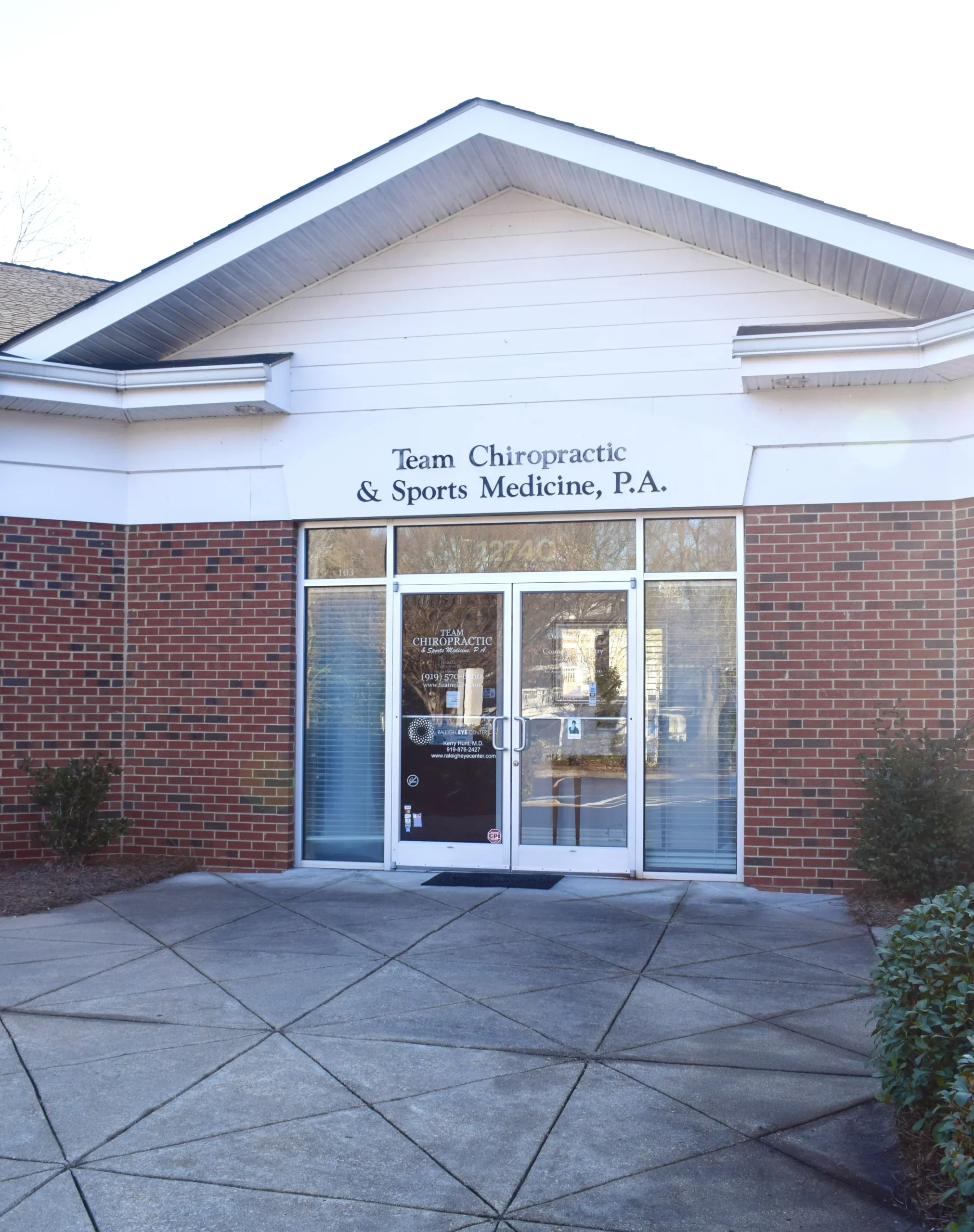
Team Chiropractic serves patients through its Raleigh office on West Millbrook Road and Wakefield office near Wake Forest. Contact your preferred office to confirm current shockwave therapy scheduling and provider availability.