
Spinal Re-Engineering in Raleigh & Wakefield, NC
Team Chiropractic’s spinal re-engineering approach combines individualized evaluation, chiropractic care, corrective exercise, and progress-based recommendations to address recurring pain, restricted movement, posture-related strain, and other musculoskeletal concerns.
Get in Touch
What Is Spinal Re-Engineering?
Spinal re-engineering is Team Chiropractic’s name for an individualized approach that looks beyond temporary symptom relief. Rather than referring to one technique or piece of equipment, it describes a care process that may combine examination findings, chiropractic adjustments, movement-based recommendations, corrective exercises, and periodic reassessment.
Depending on the patient, spinal re-engineering may focus on:
- Improving movement in restricted spinal or extremity joints
- Addressing muscle tension and movement limitations
- Building strength, stability, and physical capacity
- Modifying activities that repeatedly aggravate symptoms
- Supporting more comfortable posture without forcing one rigid position
- Monitoring changes in pain, mobility, and daily function
- Coordinating imaging or medical referral when appropriate
Spinal re-engineering does not mean that every symptom is caused by poor alignment or that the spine can be permanently moved into one ideal position. The objective is to identify relevant musculoskeletal factors and develop a plan that supports comfortable, useful movement over time.
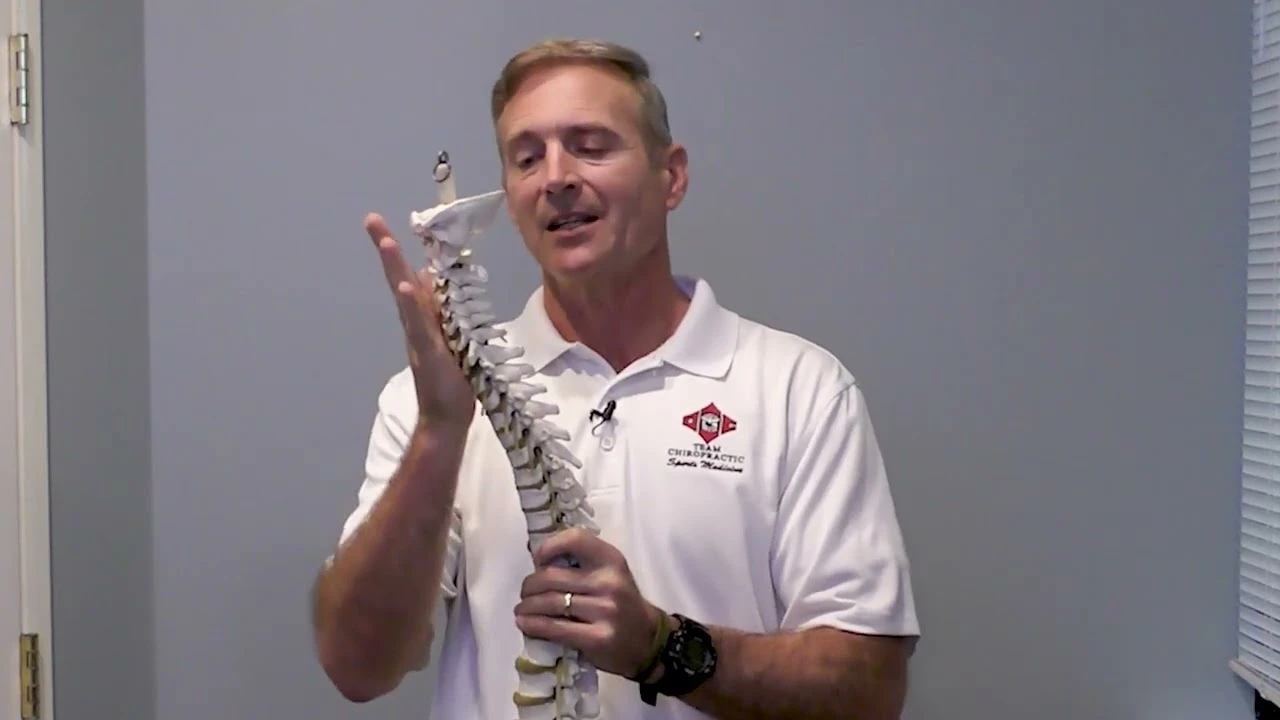
HEAR ABOUT THE TEAM CHIROPRACTIC APPROACH
What Team Chiropractic Means by Spinal Re-Engineering
Spinal re-engineering can sound technical, but the concept is centered on understanding how a patient’s symptoms, movement, daily activities, and physical goals fit together.In the video beside this section, Team Chiropractic discusses its approach to spinal re-engineering and how it differs from care focused only on short-term symptom changes. It provides additional context about the practice’s philosophy, the role of evaluation, and why care recommendations may change as a patient progresses.The video is educational and does not determine whether this approach is appropriate for a specific condition. An individual health history and examination are still necessary before treatment recommendations can be made.
Why Patients Explore Corrective Chiropractic Care
Some patients visit Team Chiropractic because of a new episode of pain. Others are looking for a more complete evaluation after the same discomfort, stiffness, or movement limitation has returned repeatedly.
People may explore spinal re-engineering when:
- Back or neck discomfort improves temporarily but repeatedly returns
- Sitting, driving, lifting, exercising, or working triggers a predictable flare-up
- Stiffness or restricted motion makes everyday activity more difficult
- A previous injury continues to affect movement or activity tolerance
- Posture-related discomfort develops during prolonged or repetitive positions
- Weakness, reduced stability, or limited mobility affects physical confidence
- They want to understand what can be done between office visits
- They need a plan for returning gradually to work, exercise, or recreation
Recurring symptoms do not automatically indicate that the spine is damaged or “out of place.” Team Chiropractic evaluates the complete pattern to determine which factors appear relevant and whether this approach fits the patient’s needs.
Conditions Evaluated for Spinal Re-Engineering
Recurring Back Pain
Lower, middle, or upper-back pain may affect sitting, lifting, sleeping, work, and exercise. Team Chiropractic evaluates joint motion, muscle function, activity patterns, previous injuries, and other possible contributors before recommending care.
Neck Pain and Restricted Movement
Neck stiffness or discomfort may be associated with prolonged positions, injuries, joint restrictions, muscle tension, or other factors. Care may focus on mobility, symptom management, and gradually restoring tolerance for daily activities.
Posture-Related Discomfort
Long periods of sitting, standing, driving, or using screens may contribute to fatigue and discomfort. Spinal re-engineering may incorporate movement changes, exercises, and appropriate chiropractic care without suggesting that everyone must maintain one perfect posture.
Sciatica and Radiating Symptoms
Pain, tingling, numbness, or burning that travels into a leg requires careful evaluation. Team Chiropractic considers possible disc, nerve, joint, muscle, and medical factors before determining whether chiropractic care, exercise, decompression, imaging, or referral should be considered.
How Posture and Spinal Alignment Relate to Symptoms
Posture describes how your body is positioned during a particular activity. It naturally changes when you sit, stand, walk, work, exercise, rest, and respond to your environment.
Visible posture differences do not automatically indicate damage, and small asymmetries are common. Likewise, an X-ray or other image may show age-related or structural findings in someone who has little or no pain.
This does not mean posture and spinal mechanics are irrelevant. Prolonged positions, limited joint motion, muscle fatigue, previous injuries, work demands, and repeated movement patterns may influence how the body feels and functions. However, these factors should be considered alongside symptoms, health history, neurological findings, strength, mobility, and activity tolerance.
Team Chiropractic uses posture and alignment information as part of a broader evaluation. The goal is not to make every patient look identical. It is to identify findings that appear meaningfully connected to the patient’s symptoms and goals.
Spinal Re-Engineering vs. a Standard Chiropractic Adjustment
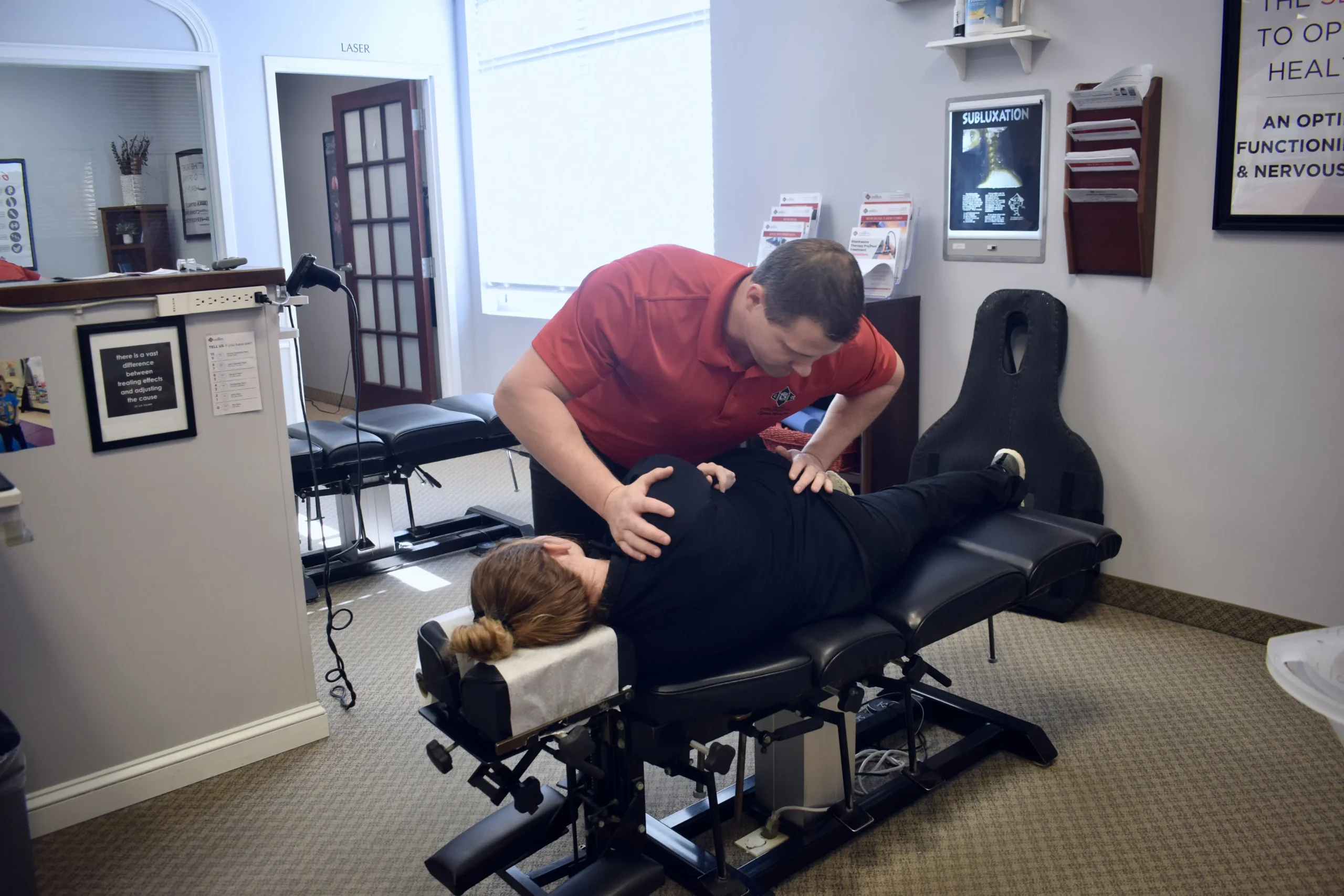
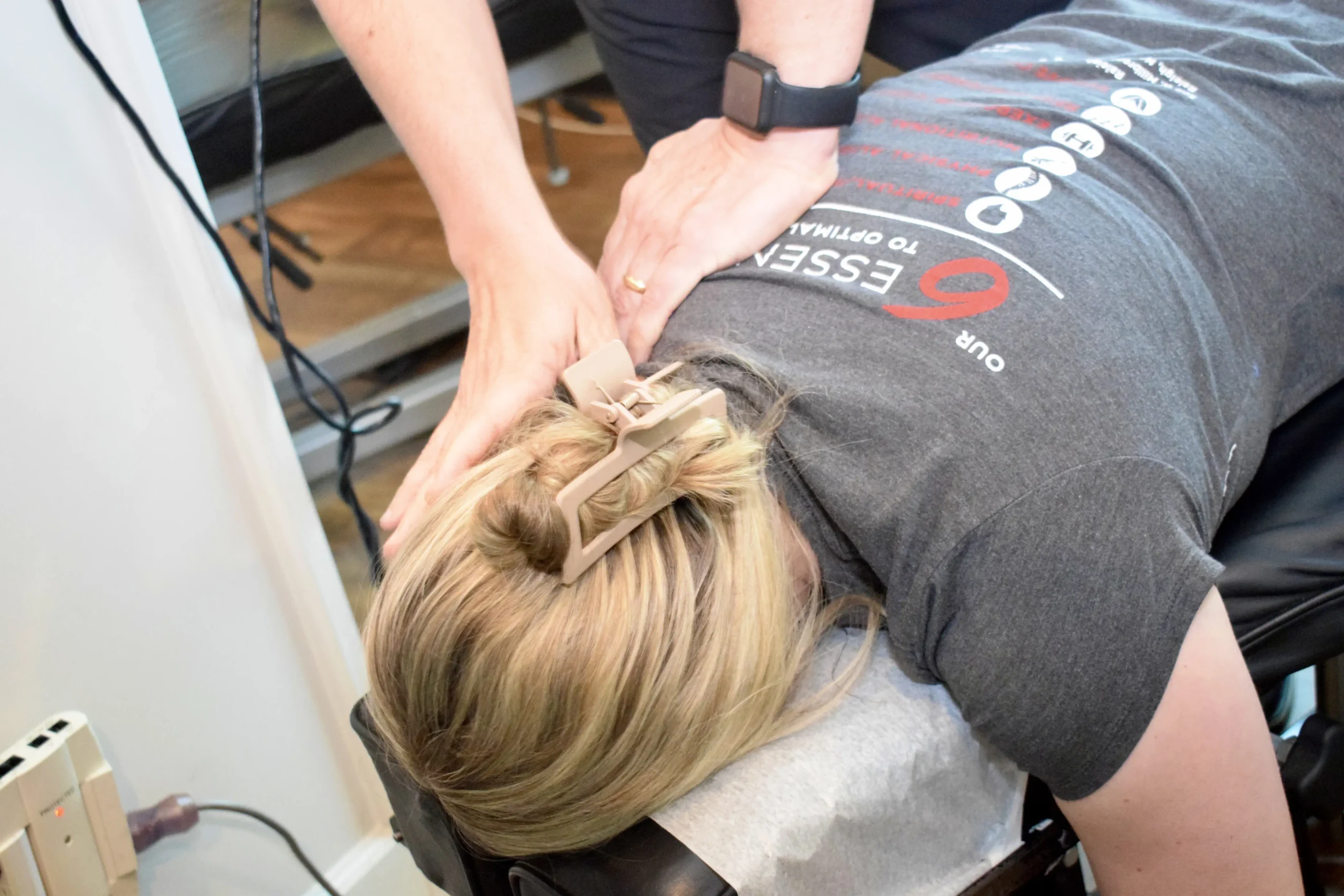
A chiropractic adjustment is a specific treatment technique involving a controlled movement applied to a joint. It may be used to address restricted motion and support mobility.
Spinal re-engineering describes a broader care process. An adjustment may be one component, but the plan can also involve corrective exercises, movement recommendations, soft-tissue care, activity modifications, and periodic reassessment.
The difference is therefore not that one uses “regular” adjustments and the other uses a special type of adjustment. The primary difference is scope. A standard adjustment describes what happens during a particular treatment, while spinal re-engineering describes how multiple appropriate strategies may be organized around the patient’s findings and progress.
Not every patient needs every component. Some may benefit from a short course of focused care, while others may require more extensive rehabilitation or coordination with another healthcare provider.
Who May Be a Good Candidate for Spinal Re-Engineering?
Patients With Recurring Symptoms
People With Posture-Related Strain
Individuals Recovering From an Injury
Patients With Functional Goals
How Team Chiropractic Evaluates Spinal and Movement Concerns
Health and Symptom History
We review when symptoms began, what affects them, previous injuries, medical conditions, daily activities, and care you have already tried.
Posture and Movement Assessment
Your doctor may observe relevant sitting, standing, walking, bending, turning, or lifting patterns to identify movements connected to your symptoms.
Joint, Muscle, and Neurological Examination
The examination may assess motion, strength, flexibility, tenderness, reflexes, sensation, or other findings relevant to your concern.
Imaging and Safety Review
In-office X-rays may be recommended when clinically appropriate. Additional imaging, medical evaluation, or referral may be needed for certain findings.
What a Spinal Re-Engineering Plan May Include
Chiropractic Adjustments
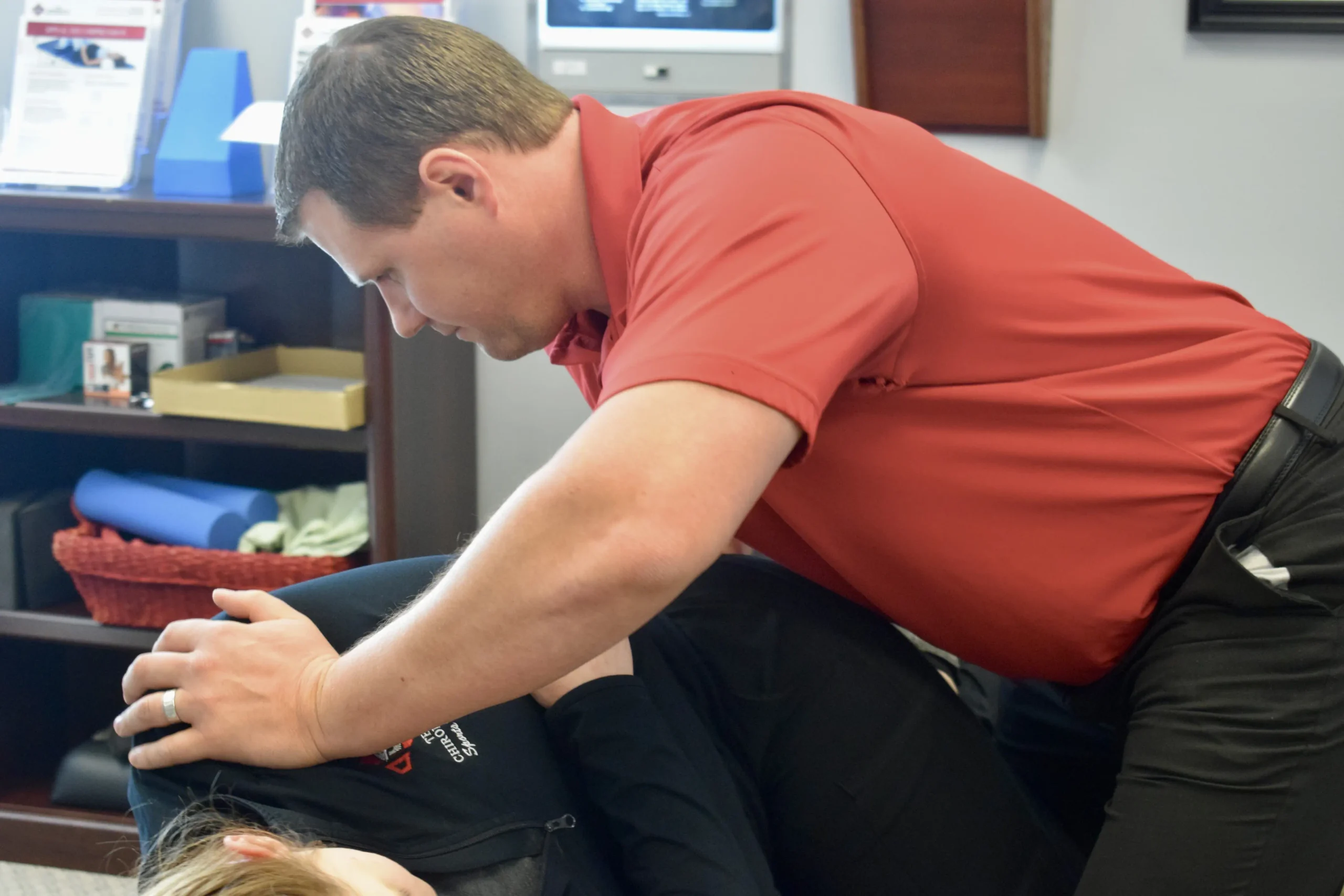
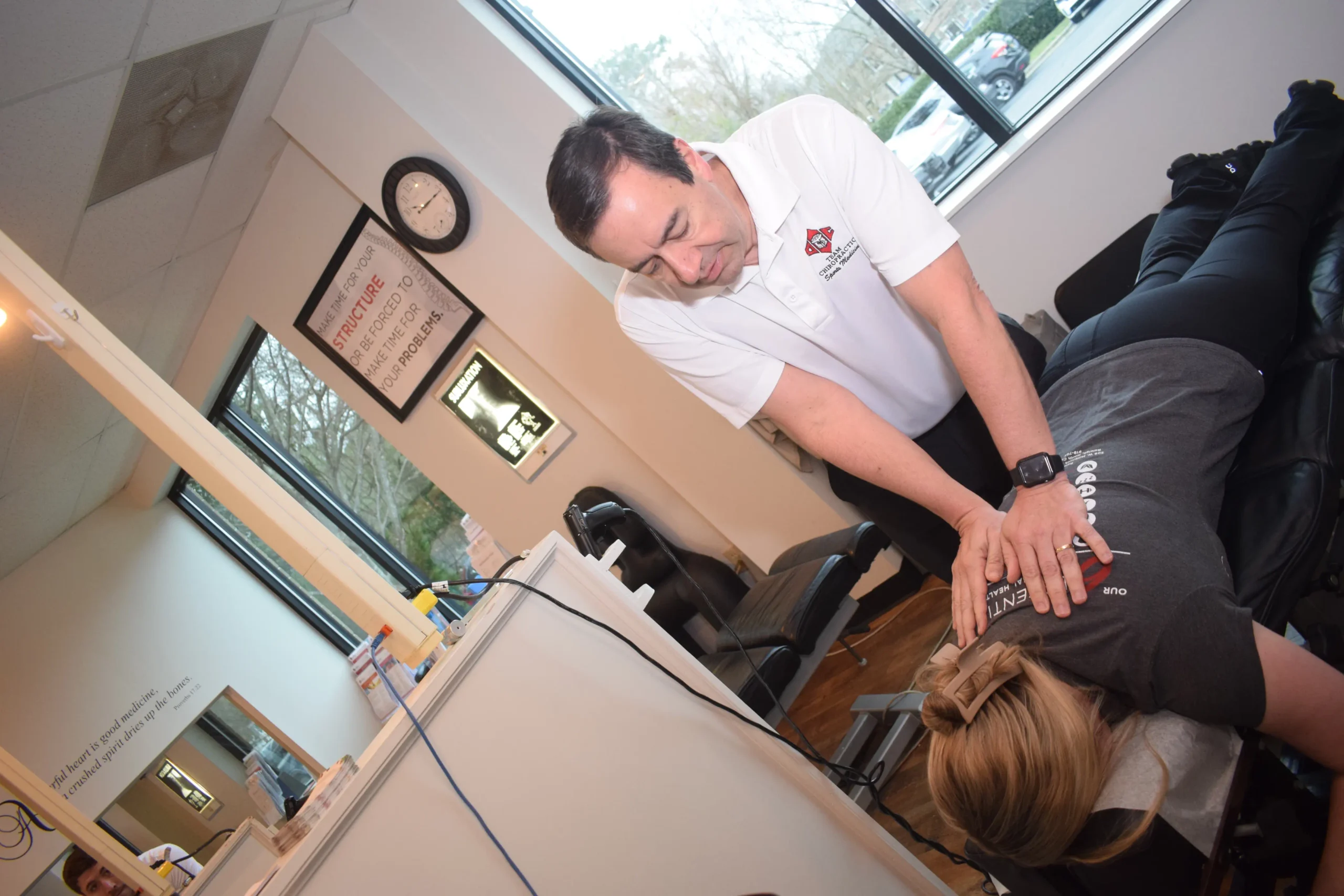
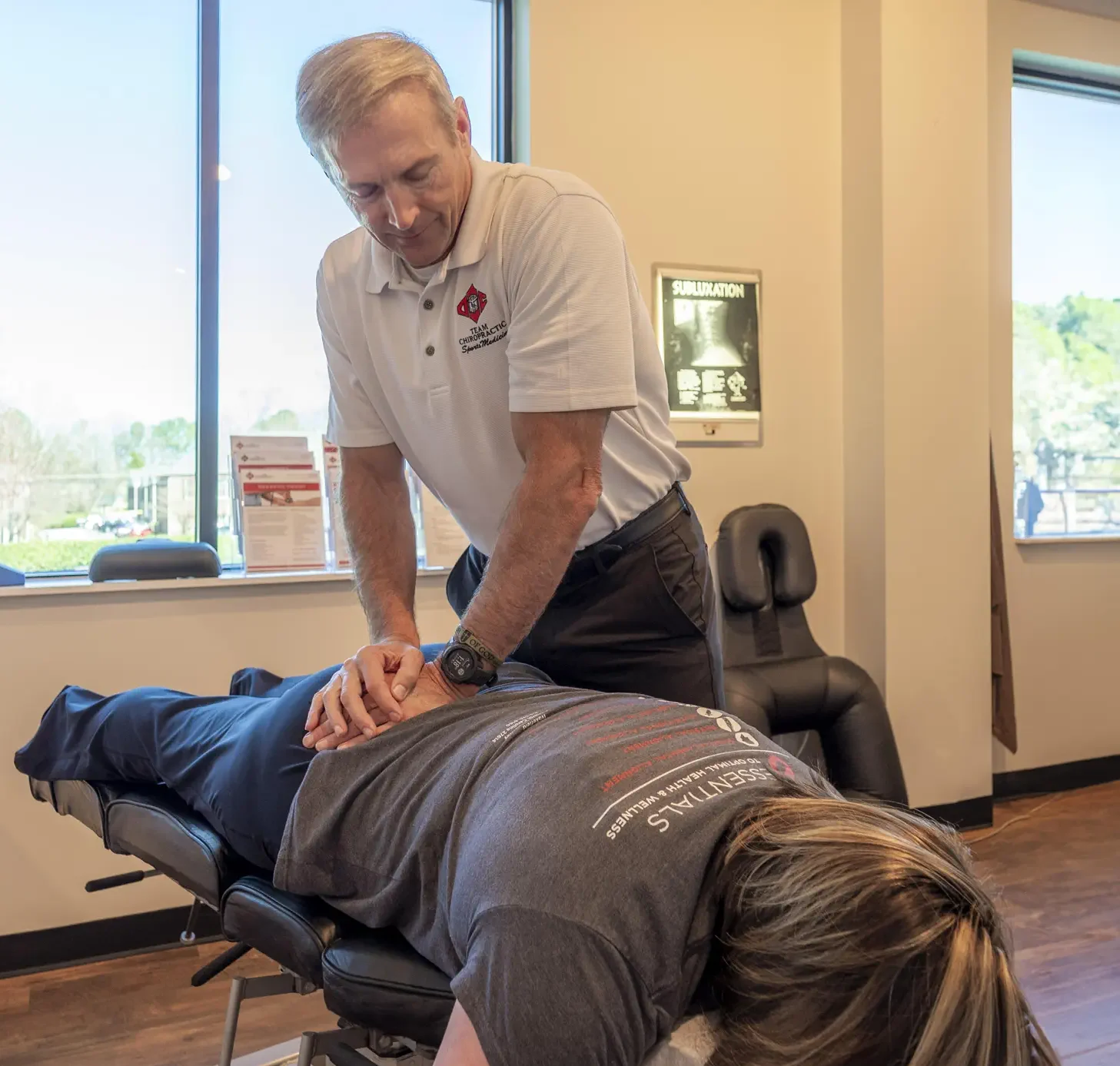
Controlled adjustments may be used to address restricted joint motion and support mobility. Technique, positioning, and force are selected according to the patient and area being treated.
Soft Tissue Release
Soft tissue techniques may be incorporated when muscular tension, protective guarding, or restricted movement contributes to the clinical picture. Treatment should remain targeted to relevant findings rather than being applied to every patient.
Sports Rehabilitation
Active patients may need progressive strength, mobility, and activity-specific work before returning fully to exercise or sports. Rehabilitation recommendations can be coordinated with other appropriate components of care.
Spinal Decompression Therapy
Non-surgical spinal decompression may be considered for selected disc-related or radiating symptom patterns. It is a separate form of motorized traction and is not required for every spinal re-engineering plan.
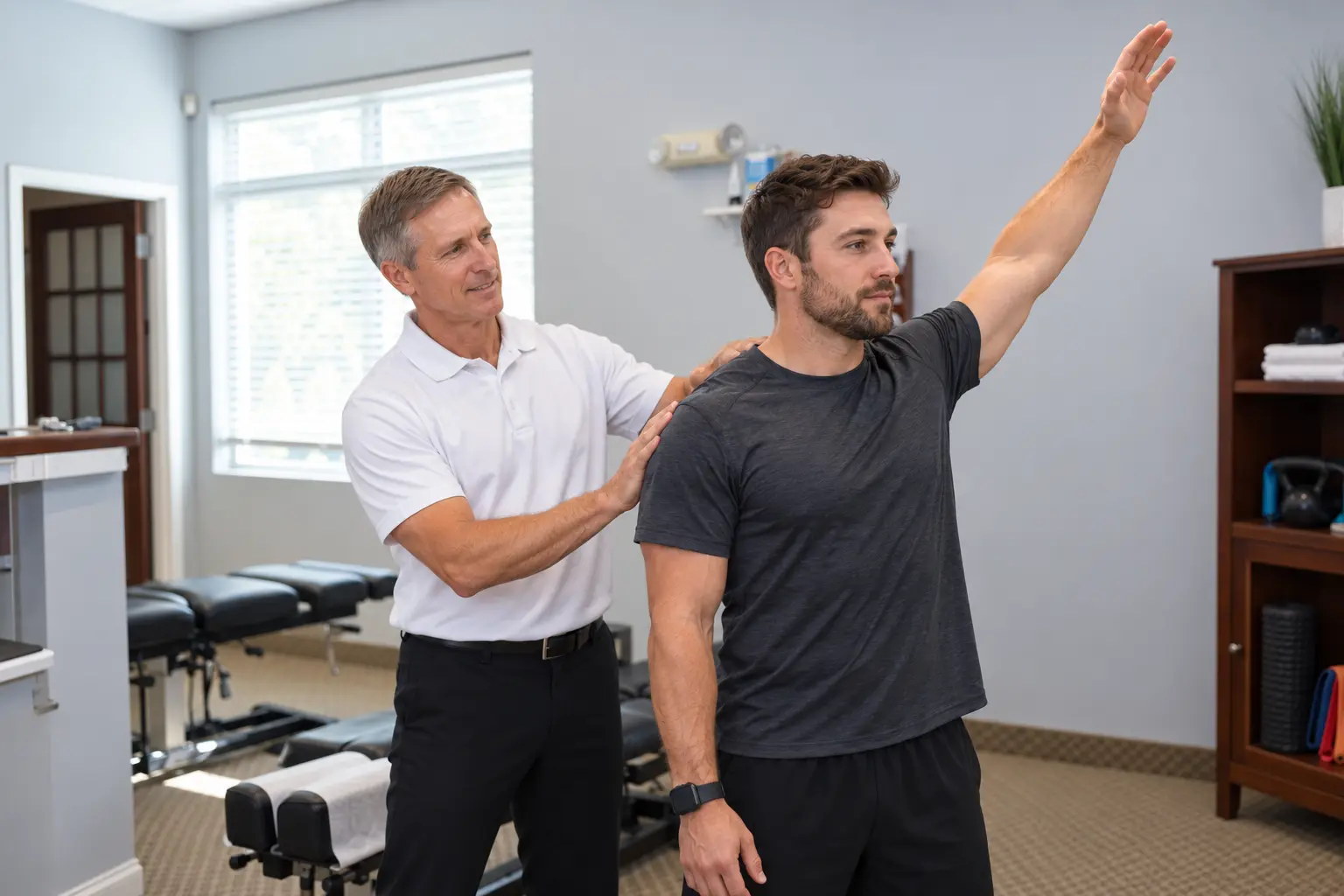
The Role of Corrective Exercise
Corrective exercise is intended to address specific mobility, strength, stability, coordination, or activity-tolerance findings identified during the evaluation. It is not a generic collection of posture stretches given to every patient.
A recommended program may begin with simple movements that can be completed comfortably and with good control. Exercises may then be modified as symptoms, strength, mobility, and physical demands change.
Corrective exercise can help patients participate actively in their recovery. Instead of relying entirely on in-office treatment, patients learn strategies they can use while working, exercising, traveling, or completing daily activities.
More exercise is not always better. An activity that helps one type of back or neck pain may aggravate another. Team Chiropractic can explain which movements to perform, how often to complete them, what sensations are expected, and which changes should be reported.
Sharp pain, progressive numbness, increasing weakness, loss of coordination, or symptoms traveling farther into an arm or leg should not be ignored or pushed through.
How Team Chiropractic Measures Progress
Progress should involve more than changes in posture photographs or how a patient feels immediately after an adjustment. Team Chiropractic may evaluate whether care is producing meaningful improvements in daily function.
Depending on the patient’s goals, progress may include:
- Less frequent or less intense pain
- Improved range of motion
- Greater tolerance for sitting, standing, walking, or driving
- Improved strength, control, or stability
- Better tolerance for work, lifting, exercise, or recreation
- Fewer symptoms traveling into an arm or leg
- Longer periods of improvement between appointments
- Reduced fear or hesitation during normal movement
- Greater independence with prescribed exercises and self-management
Not every measure will change at the same rate. If symptoms are worsening, progress has stalled, or new neurological findings appear, the plan should be reassessed rather than continued automatically.
Understanding the Phases of Spinal Re-Engineering
There is no universal timeline or treatment package appropriate for every patient. The length and frequency of care depend on the condition, symptom duration, examination findings, health history, physical demands, goals, and response.
Early care may focus on evaluating the condition, reducing symptom aggravation, restoring comfortable movement, and determining which forms of care are tolerated.
Corrective care may place greater emphasis on mobility, strength, stability, movement control, and gradual exposure to activities that were previously uncomfortable.
Return-to-activity care focuses on helping the patient resume work, exercise, sports, or daily responsibilities with greater confidence and capacity.
Longer-term support, when appropriate, should reflect the patient’s preferences, recurring demands, measurable needs, and response. It should not be assumed that every patient requires indefinite treatment.
Your doctor should explain the recommended plan, what progress will be monitored, and when reassessment will occur. Recommendations may be shortened, extended, changed, or discontinued based on the results.
Supporting Your Progress Between Visits
What happens between appointments can influence how well changes carry into everyday life. Your recommendations should be realistic for your work, home responsibilities, physical abilities, and goals.
Helpful strategies may include completing prescribed exercises with the recommended technique and frequency, changing positions regularly, taking short movement breaks, gradually rebuilding tolerance for activity, and modifying tasks that consistently aggravate symptoms.
Workstation changes, lifting strategies, sleep positioning, footwear, and exercise modifications may also be discussed when they are relevant to the patient’s findings. The goal is not to monitor every movement or avoid all discomfort. It is to create manageable opportunities to move, recover, and build capacity.
Track patterns that may help your doctor evaluate progress. Note which activities trigger symptoms, how long symptoms last, whether they travel into an arm or leg, and what improves or worsens them.
Contact Team Chiropractic if you develop new weakness, increasing numbness, loss of coordination, or another significant change. Severe symptoms, major trauma, loss of bowel or bladder control, or numbness around the groin or saddle region require urgent medical evaluation.
Why Choose Team Chiropractic for Spinal Re-Engineering?
Individual Evaluations
Recommendations reflect your symptoms, health history, movement, physical demands, and personal goals.
Multiple Conservative Options
Your plan may incorporate appropriate adjustments, exercises, soft-tissue care, decompression, orthotics, or rehabilitation services.
Progress-Based Recommendations
We monitor function and symptom changes so care can be modified when your needs or response change.
Two Local Offices
Team Chiropractic serves patients through its Raleigh chiropractic office and Wakefield chiropractic office near Wake Forest.
Schedule Today!
Tuesday: 7:30AM–12PM & 3PM–6PM
Wednesday: 7:30AM–12PM
Thursday: 7:30–12PM & 3PM–6PM
Friday: 7:30AM–12PM
Saturday & Sunday: Closed
FAQs About Spinal Re-Engineering
What does spinal re-engineering mean?
Spinal re-engineering is Team Chiropractic’s term for an individualized approach that may combine chiropractic adjustments, corrective exercises, movement recommendations, supportive services, and progress reviews. It is not one standardized technique or piece of equipment.
Is spinal re-engineering the same as a chiropractic adjustment?
No. An adjustment is a particular treatment technique applied to a joint. Spinal re-engineering describes a broader care process in which adjustments may be combined with exercise, activity recommendations, and reassessment.
Is spinal re-engineering the same as posture correction?
Posture may be one consideration, but the approach is not limited to changing how someone looks while sitting or standing. It also considers symptoms, movement, strength, mobility, activity tolerance, previous injuries, and functional goals.
Can spinal re-engineering permanently realign the spine?
No treatment should guarantee permanent spinal realignment. Posture and spinal position naturally change with movement and activity. Care may support mobility, function, symptom management, and healthier movement habits, but results vary.
Does spinal re-engineering include corrective exercise?
Corrective exercise may be included when the evaluation identifies relevant mobility, strength, stability, or movement-control needs. Exercises are selected and progressed according to the individual rather than taken from one standard routine.
What conditions may be evaluated?
Team Chiropractic may evaluate patients with back pain, neck pain, posture-related discomfort, sciatica-like symptoms, recurring stiffness, movement restrictions, or lingering limitations after an injury. An examination is needed to determine whether this approach is appropriate.
Will I need X-rays?
Not every patient automatically needs X-rays. Your doctor will consider your symptoms, health history, examination findings, age, previous imaging, and other clinical factors. Team Chiropractic offers in-office X-rays when clinically indicated.
How long does spinal re-engineering take?
There is no universal timeline. Recommendations depend on the condition, symptom duration, physical demands, goals, and response to care. Your doctor should explain what will be measured and when the plan will be reassessed.
How is progress measured?
Progress may be measured through changes in pain frequency, mobility, strength, activity tolerance, neurological symptoms, work capacity, exercise participation, and independence with prescribed exercises.
Is spinal re-engineering appropriate after an injury?
It may be considered after certain sports injuries, auto accidents, lifting injuries, or other musculoskeletal problems. The nature and severity of the injury must be evaluated first, and imaging or medical care may be required before treatment.
Can spinal re-engineering be combined with spinal decompression?
Spinal decompression may be included for selected patients with compatible disc-related or radiating symptoms. It is a separate service and is not automatically part of every care plan.
What should I do between appointments?
Follow only the exercises and activity recommendations provided for you, change positions regularly, and report meaningful changes in your symptoms. Avoid pushing through sharp pain, increasing numbness, weakness, or loss of coordination.
Is spinal re-engineering available at both Team Chiropractic offices?
Team Chiropractic serves patients through its Raleigh office on West Millbrook Road and Wakefield office in North Raleigh near Wake Forest. Contact your preferred location to confirm current spinal re-engineering availability and provider scheduling.
What is included in the free consultation?
The free consultation allows you to discuss your concerns, ask questions, and determine whether Team Chiropractic may be an appropriate place to begin. A complete examination, imaging, and treatment are separate services and are not automatically included.