
Sports Injury Chiropractor in Raleigh, NC
Team Chiropractic & Sports Medicine provides personalized care for athletes and active individuals experiencing sprains, strains, joint pain, overuse injuries, and movement limitations. We help patients in Raleigh and Wakefield understand their injuries, explore appropriate treatment options, and work toward a safe return to activity.
Get in Touch
What Should You Do After a Sports Injury?
Your next steps depend on how the injury occurred, which part of the body is affected, and the severity of your symptoms. Continuing to train through significant pain can aggravate an injury or make it more difficult to determine what happened.
After a sports injury:
- Stop the activity if pain is sharp, sudden, or worsening. Do not attempt to finish a workout or competition when movement feels unstable or unsafe.
- Protect the injured area. Avoid repeatedly testing a painful joint, aggressively stretching it, or forcing it through restricted movement.
- Pay attention to swelling and function. Notice whether you can comfortably bear weight, move the joint, grip, lift, or complete ordinary activities.
- Record how the injury occurred. The movement, impact, training change, and symptoms you noticed can provide valuable information during an evaluation.
- Schedule an evaluation when symptoms persist. Pain that returns whenever you exercise, limits normal movement, or fails to improve deserves a closer look.
- Seek prompt medical care for serious symptoms. Visible deformity, inability to bear weight, severe swelling, loss of consciousness, suspected concussion, or progressive numbness or weakness requires timely medical attention.
An early evaluation can help distinguish a problem that may respond to conservative care from an injury requiring imaging, immobilization, orthopedic care, or another medical service.
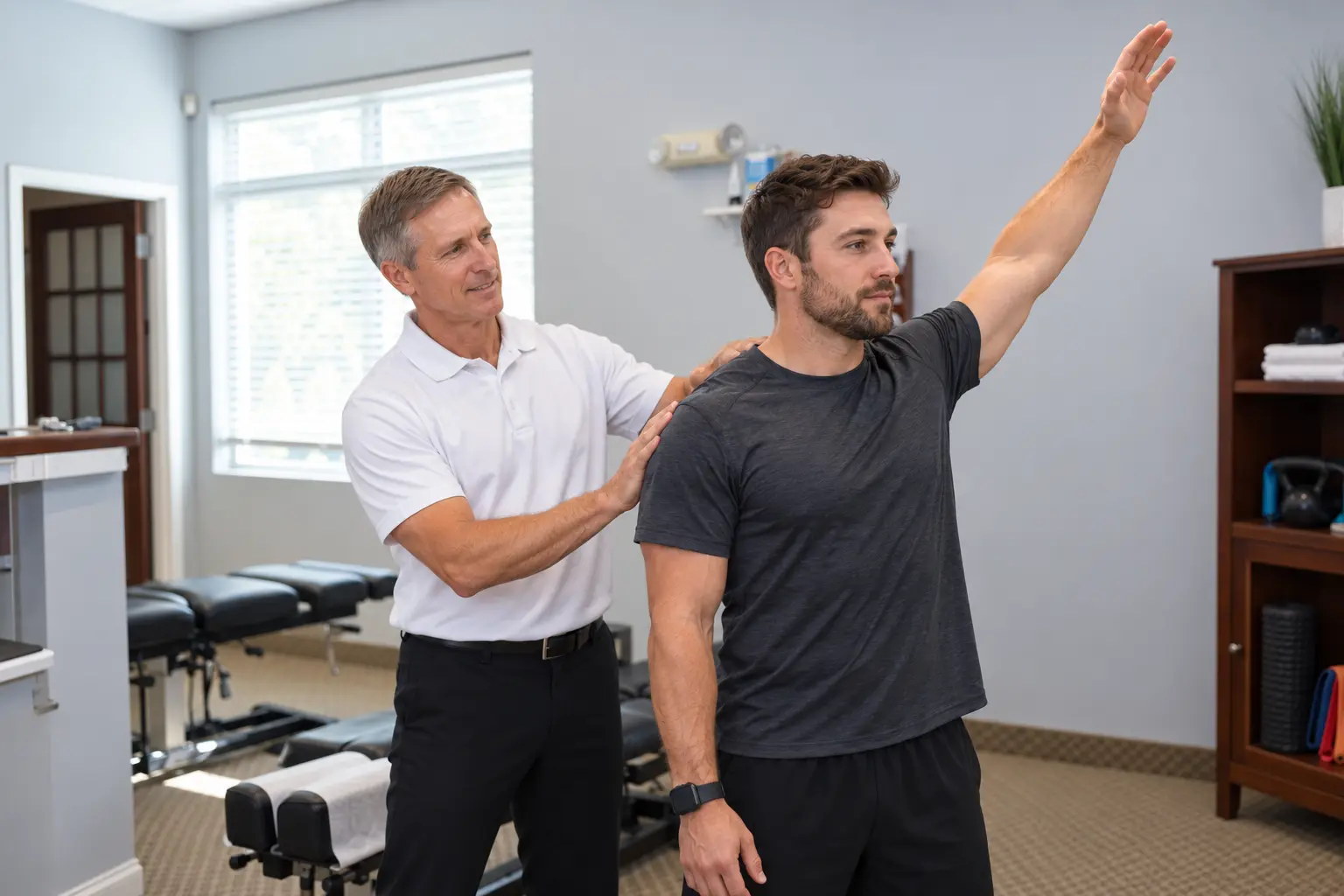
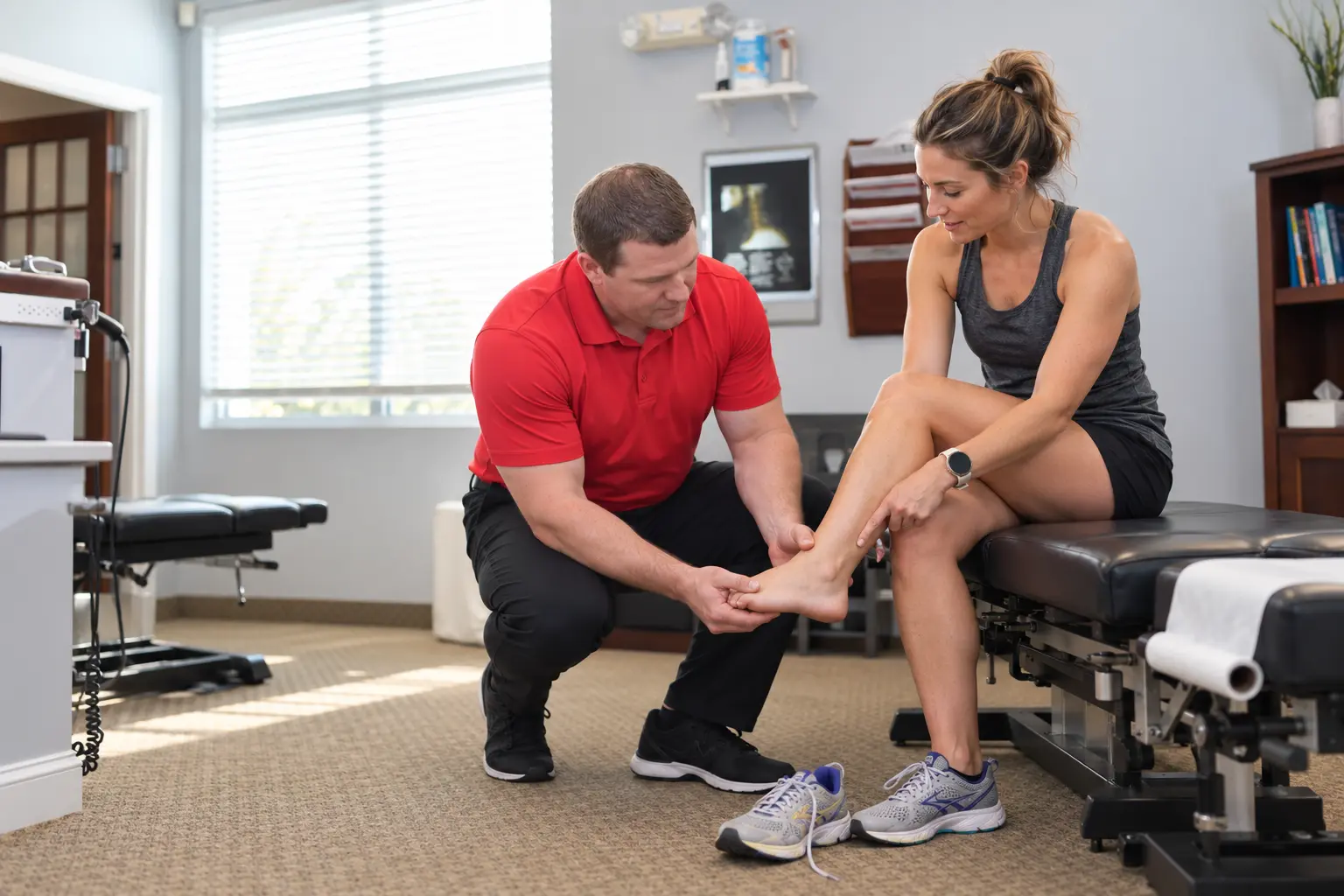
Sports Injury Care Is Not Only for Professional Athletes
You do not have to compete professionally—or compete at all—to benefit from an evaluation. Sports injuries can affect anyone who exercises, trains, works physically, or participates in an active hobby.
Team Chiropractic works with:
- Competitive athletes managing injuries that affect training or performance
- Recreational athletes who want to return to the activities they enjoy
- Runners and cyclists experiencing repetitive or distance-related discomfort
- Gym members and weightlifters dealing with pain during strength training
- Weekend warriors whose activity levels change significantly between the workweek and weekend
- Youth and high-school athletes who require age-appropriate evaluation and care
- Active adults managing an old injury that continues to affect movement
- People beginning a new fitness program who develop symptoms after increasing activity
Care is based on your injury, health history, physical demands, and goals—not your experience level or athletic title.
Common Sports Injuries and Movement Concerns
Sprains and Strains
Tendon and Overuse Injuries
Joint Injuries
Back, Neck, and Rib Injuries
Acute Sports Injuries vs. Overuse Injuries
An acute injury develops during a specific event. You may remember rolling an ankle, landing awkwardly, colliding with another player, losing control of a weight, or feeling a sudden pull while accelerating. Pain, swelling, bruising, weakness, or restricted movement may appear immediately or become more noticeable over the following hours.
An overuse injury develops gradually as repeated physical stress exceeds the tissue’s ability to recover. There may be no single moment when the injury began. Instead, discomfort may first appear after activity, begin earlier during each workout, and eventually interfere with everyday movement.
Factors that may contribute to overuse concerns include:
- Rapid increases in training volume or intensity
- Repeating the same activity without adequate recovery
- Sudden changes in footwear, playing surface, or equipment
- Limited strength, control, or mobility in a relevant area
- Returning to activity before a previous injury has recovered
- Continuing to train while symptoms steadily worsen
- Insufficient rest, sleep, nutrition, or recovery time
Identifying whether an injury was sudden or developed gradually helps guide the examination, imaging decisions, care recommendations, and return-to-activity plan.
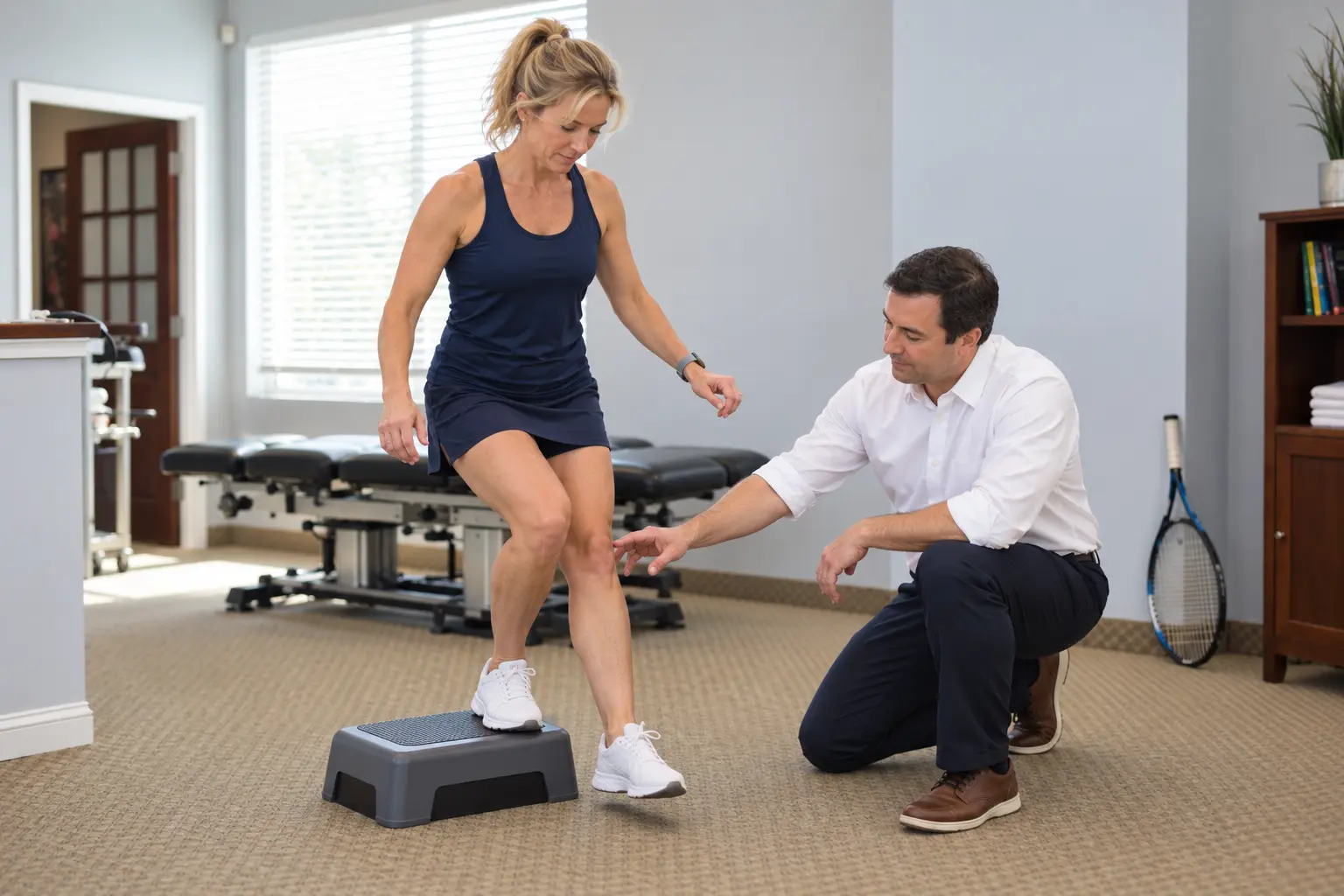
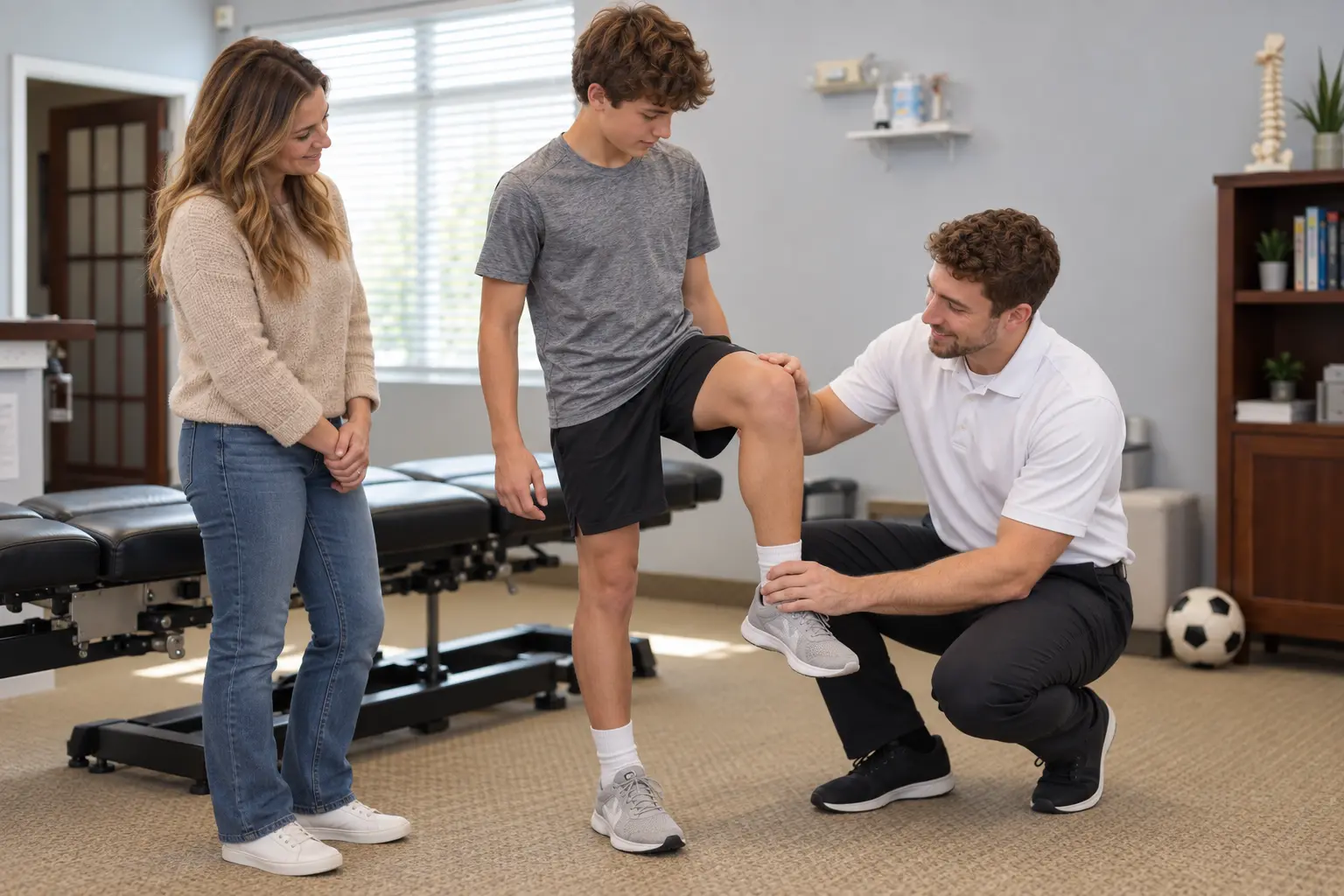
Sports Injury Symptoms That Should Be Evaluated
Pain is not the only sign that an injury may be affecting your movement. Some athletes first notice declining performance, recurring tightness, or a loss of confidence in the affected area.
Consider scheduling an evaluation if you experience:
- Pain that returns during the same exercise or athletic movement
- Swelling, bruising, or tenderness around a joint or soft tissue
- Stiffness or reduced range of motion
- Weakness, instability, or a sensation that a joint may give way
- Numbness, tingling, burning, or symptoms traveling into an arm or leg
- Clicking, catching, or locking accompanied by pain or restricted movement
- Difficulty running, jumping, lifting, throwing, rotating, or changing direction
- Symptoms that continue despite reducing or modifying activity
- A previous injury that never fully regained comfortable function
- Pain that begins affecting work, sleep, walking, or daily responsibilities
Sudden severe pain, visible deformity, significant loss of function, suspected fracture, or neurological symptoms should receive prompt medical attention. Any athlete with possible concussion symptoms should be removed from play and medically evaluated rather than returning to the activity that day.
How Sports and Exercise Can Affect the Body
Running and Endurance Sports
Weightlifting and Strength Training
Field and Court Sports
Golf, Tennis, and Rotational Sports
How Team Chiropractic Evaluates Sports Injuries
Injury and Training History
We review how symptoms began, previous injuries, recent training changes, and which movements affect you.
Movement Assessment
Your doctor may observe relevant motions such as walking, squatting, reaching, rotating, balancing, or changing direction.
Joint and Soft-Tissue Examination
The evaluation may assess joint motion, muscle and tendon tenderness, swelling, stability, flexibility, and neurological function.
Functional Testing
When appropriate, controlled strength or sport-related movements help determine what you can currently perform comfortably and safely.
When a Sports Injury May Require X-Rays or Medical Referral
Not every sports injury requires imaging. Your doctor will consider how the injury occurred, your ability to move or bear weight, the location of your symptoms, and the findings from your examination before recommending an X-ray.
Team Chiropractic can take X-rays when they are clinically appropriate. X-rays are commonly used to examine bones and joint alignment, but they do not show every ligament, tendon, muscle, cartilage, or neurological injury. When another type of imaging—such as an MRI, CT scan, or diagnostic ultrasound—may be more appropriate, your doctor can explain why and refer you to the appropriate medical provider.
Urgent or specialized medical evaluation may be necessary when an athlete has:
- A visible deformity or suspected fracture
- An inability to bear weight or use the injured area
- Rapid or severe swelling following trauma
- A joint that locks, repeatedly gives way, or cannot move normally
- Progressive weakness, numbness, or loss of coordination
- Chest pain, difficulty breathing, or other systemic symptoms
- A deep wound or injury with uncontrolled bleeding
- Symptoms of a concussion after a blow to the head or body
- Pain or dysfunction that does not fit routine conservative management
Chiropractic care should complement—not delay—orthopedic, emergency, neurological, or other medical care when those services are needed.
What Sports Injury Care May Include
Sports Rehabilitation
Sports rehabilitation may include individualized mobility, stability, strength, and movement work. Recommendations can progress as your symptoms and functional abilities change.
Chiropractic Adjustments
Controlled adjustments may be used when restricted joint motion appears to be contributing to pain or limited movement. The area treated and technique used are selected according to your injury and examination findings.
K-Laser Therapy
K-Laser therapy may be incorporated into certain care plans to support pain management and tissue recovery. Your doctor will determine whether it is appropriate for the injury, area, and stage of healing.
Soft Tissue Release
Targeted manual techniques may address muscular or soft-tissue restrictions affecting movement. Soft tissue release may be incorporated when tension, tenderness, or limited tissue mobility is relevant to the injury.
Shockwave Therapy
Shockwave therapy may be considered for selected persistent tendon and soft-tissue conditions. It is not appropriate for every injury, and treatment should follow an examination and contraindication screening.
Custom Orthotics
Custom orthotics may be considered when foot mechanics appear to be affecting comfort or movement through the ankles, knees, hips, or lower back. They are recommended according to individual findings rather than the athlete’s sport alone.
How Sports Injury Recovery May Progress
Reduce Aggravation
Restore Comfortable Movement
Rebuild Strength and Control
Return to Sport-Specific Activity
Returning to Activity and Reducing the Risk of Reinjury
Feeling less pain is encouraging, but pain relief alone does not always mean an athlete is ready for unrestricted activity. The affected area may also need sufficient movement, strength, stability, coordination, and tolerance for the demands of the sport.
A return-to-activity plan may involve:
- Beginning with lower-intensity or shorter-duration activity
- Reintroducing one training variable at a time
- Testing relevant movements in a controlled environment
- Monitoring symptoms during activity and afterward
- Allowing adequate recovery between training sessions
- Continuing recommended mobility or strengthening exercises
- Reviewing footwear, equipment, technique, or playing-surface changes
- Responding early if familiar symptoms begin returning
No program can prevent every future injury. However, gradual progression and attention to the factors that contributed to the original problem may reduce unnecessary setbacks.
Athletes recovering from a suspected or diagnosed concussion require a separate medically supervised return-to-play process. They should not return to competition simply because they feel better at rest.
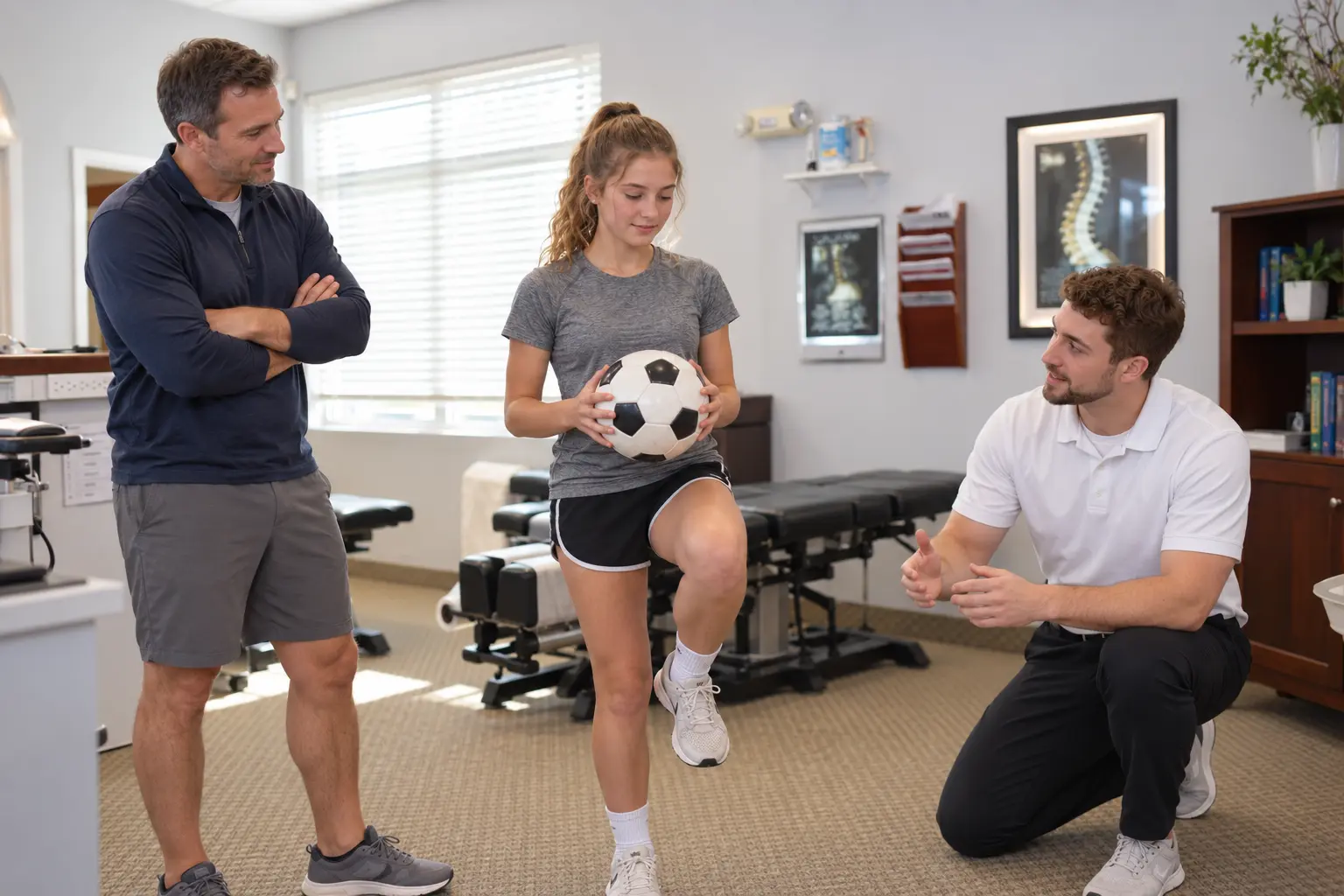
Sports Injury Care for Children and Teen Athletes
Children and teenagers are not simply smaller adult athletes. Growth plates, changing coordination, skeletal development, training schedules, school demands, and participation in multiple teams can all influence how an injury should be evaluated.
Parents should pay attention when a young athlete begins limping, changes throwing mechanics, avoids using an arm or leg, loses interest in a normally enjoyed activity, or repeatedly reports pain after practice. Recurring symptoms should not be dismissed as “growing pains” or something the athlete must push through.
Team Chiropractic evaluates musculoskeletal concerns and determines whether conservative care appears appropriate. A pediatrician, sports medicine physician, orthopedist, or other provider should be involved when an injury may affect a growth plate, fracture is suspected, symptoms are severe, or specialized medical care is needed.
A child or teen with possible concussion symptoms should be removed from play immediately and evaluated by a qualified healthcare professional. The athlete should not return to play on the same day or resume sports until medically cleared through an appropriate progression.
Why Athletes Choose Team Chiropractic
Sports-Medicine Experience
Our doctors bring backgrounds in sports medicine, exercise science, extremity care, and injury recovery.
Whole-Body Evaluation
We consider how the spine, joints, soft tissues, and movement patterns may interact during athletic activity.
Multiple Care Options
Appropriate plans may combine adjustments, rehabilitation, soft-tissue care, supportive therapies, or orthotics.
Established Local Practice
Our history includes serving as chiropractic consultants for NC State athletics from 1994 through 2010 and caring for athletes at different competitive levels.
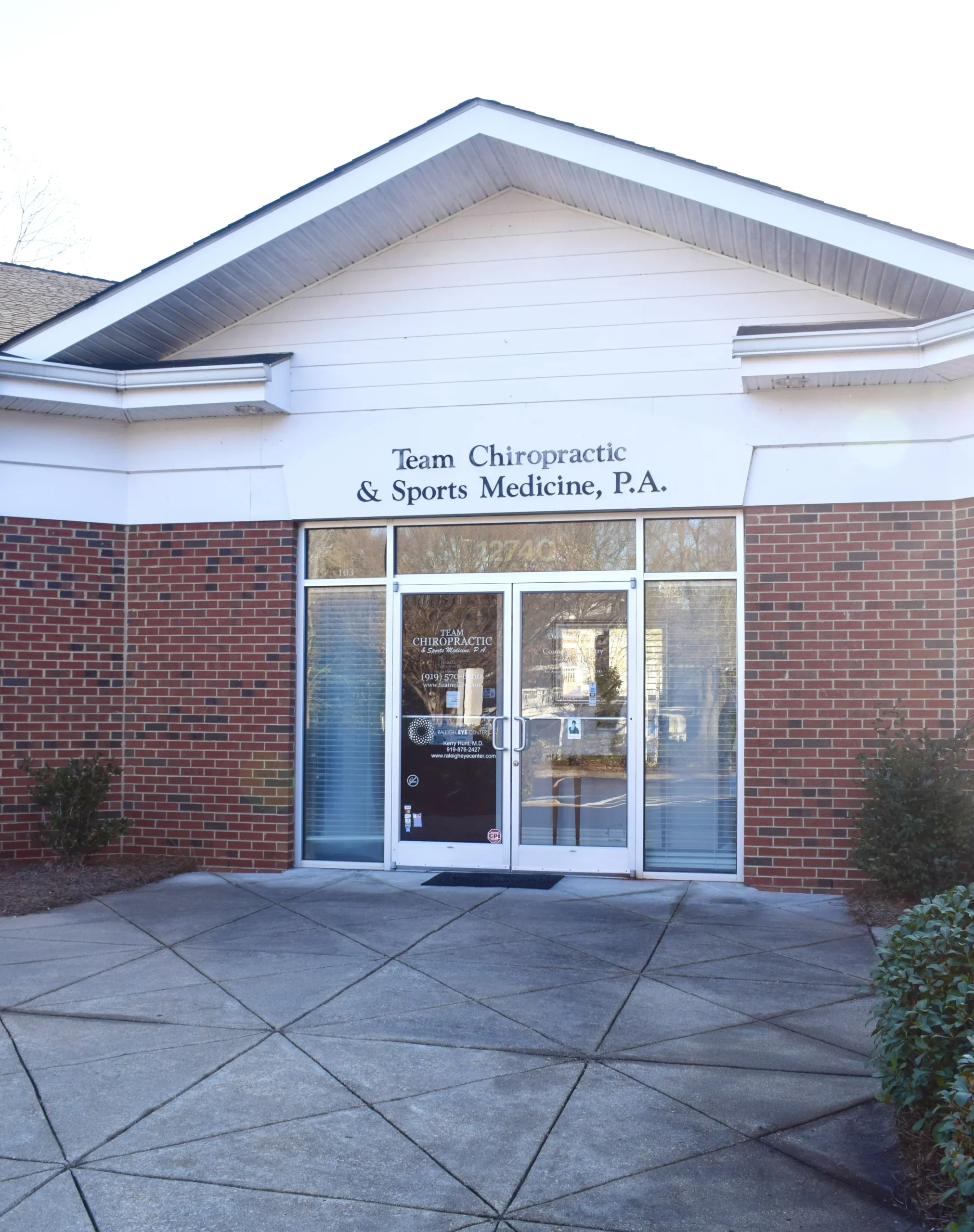
Schedule Today!
Tuesday: 7:30AM–12PM & 3PM–6PM
Wednesday: 7:30AM–12PM
Thursday: 7:30–12PM & 3PM–6PM
Friday: 7:30AM–12PM
Saturday & Sunday: Closed
Conditions Associated With Sports Injuries
Back Pain
Lifting, contact, repetitive rotation, and sudden movement can contribute to lower, middle, or upper-back pain. An evaluation helps distinguish muscular discomfort from joint, disc, nerve, or injury-related concerns.
Neck Pain
Neck pain may follow impact, repetitive positioning, lifting, or restricted upper-body movement. Head or neck trauma requires appropriate screening before treatment is considered.
Joint Pain
Sports can place significant demands on the shoulders, elbows, wrists, hips, knees, and ankles. Joint pain accompanied by swelling, instability, locking, or reduced function should be evaluated.
Sciatica
Pain, numbness, tingling, or burning that travels into a leg may involve the lower back, nerves, muscles, or other structures. A proper examination is necessary before labeling radiating symptoms as sciatica.
Can a chiropractor help with sports injuries?
Chiropractic care may be appropriate for selected joint, muscle, tendon, mobility, and movement-related concerns. The first step is an evaluation to determine what may be injured and whether chiropractic care, rehabilitation, imaging, medical referral, or a combination of services is appropriate.
Do I need to be a competitive athlete?
No. Team Chiropractic works with competitive athletes, runners, gym members, recreational participants, weekend warriors, active adults, and people beginning new exercise programs.
When should I have a sports injury evaluated?
Schedule an evaluation when pain limits activity, repeatedly returns, affects normal movement, or does not improve after modifying your routine. Severe pain, deformity, inability to bear weight, neurological symptoms, or suspected concussion requires prompt medical attention.
Should I stop exercising completely after an injury?
Not every injury requires complete inactivity. Some people may continue modified activities that do not aggravate the injured area, while others need greater protection or medical treatment. An evaluation can help determine an appropriate level of activity.
Can Team Chiropractic take X-rays?
Yes. Team Chiropractic can take X-rays when clinically appropriate. Your doctor will determine whether X-rays are likely to provide useful information or whether another type of imaging or medical referral is needed.
What sports injuries can chiropractors evaluate?
Chiropractors may evaluate sprains, strains, joint restrictions, back and neck pain, mobility limitations, and selected overuse concerns. Some injuries require orthopedic, neurological, emergency, or other medical care instead of—or alongside—chiropractic treatment.
How long does it take to recover from a sports injury?
Recovery time varies according to the injury, tissue involved, severity, health history, activity demands, and response to care. Your doctor can provide more individualized expectations after completing an evaluation.
Can chiropractic care be combined with physical therapy or medical care?
Yes. Chiropractic care may be coordinated with physical therapy, primary care, sports medicine, orthopedics, or another medical specialty when multiple providers are appropriate. Tell each provider about the care you are receiving.
When can I return to my sport?
Return should be based on more than the amount of time that has passed. Relevant factors may include pain, mobility, strength, stability, control, confidence, and the ability to tolerate sport-specific activity without worsening symptoms.
Does Team Chiropractic treat young athletes?
Team Chiropractic evaluates musculoskeletal concerns in children and teens using age-appropriate methods. Injuries involving possible fractures, growth plates, concussions, or significant instability may require evaluation by a pediatrician, sports medicine physician, orthopedist, or another qualified provider.
Can a chiropractor treat a concussion?
A suspected concussion requires evaluation and management by a healthcare professional qualified to assess brain injuries. The athlete should be removed from play immediately and should not return on the same day. Chiropractic care must not replace appropriate concussion assessment, monitoring, or medical clearance.
Is sports injury care available in Raleigh and Wakefield?
Team Chiropractic serves active patients through its Raleigh chiropractic office on West Millbrook Road and its Wakefield chiropractic office in North Raleigh near Wake Forest. Contact your preferred location to confirm provider and service availability.