Temporomandibular joint (TMJ) disorders affect millions of people worldwide, often causing pain, discomfort, and disruptions to daily life. The TMJ connects the jawbone to the skull, allowing movements necessary for chewing, speaking, and facial expressions. When the joint becomes misaligned or irritated, it can result in jaw pain, headaches, neck tension, and even ear discomfort.
Many people suffering from TMJ pain turn to chiropractic care as a natural, non-invasive solution. Chiropractors address not only the jaw joint but also associated spinal misalignments and muscular tension, helping patients find relief, restore proper function, and prevent chronic issues.
In this article, we’ll explore how chiropractic care can help with TMJ disorders, the symptoms it addresses, treatment strategies, and what patients can expect during care.
Understanding TMJ Disorders
The temporomandibular joint is a complex structure made of bones, muscles, and ligaments. It allows the jaw to move smoothly for eating, speaking, and facial expressions. TMJ disorders arise when this joint becomes inflamed, misaligned, or stressed, often due to:
- Teeth grinding or clenching (bruxism)
- Poor posture, particularly in the neck and upper spine
- Trauma to the jaw, head, or neck
- Arthritis or other degenerative joint conditions
- Stress leading to muscle tension in the face and neck
Symptoms can vary from mild discomfort to severe pain and functional limitations, including:
- Jaw pain or tenderness
- Clicking, popping, or locking of the jaw
- Headaches or migraines
- Neck and shoulder tension
- Difficulty chewing or opening the mouth fully
Chiropractic care can target the root causes of TMJ disorders, rather than simply masking symptoms, offering lasting relief and improved jaw function.
How Chiropractors Assess TMJ Disorders
A chiropractor trained in TMJ therapy begins with a thorough evaluation, including:
- Medical and dental history review – Identifying past injuries, dental procedures, or habits like teeth grinding
- Posture and spinal assessment – Since TMJ issues often relate to cervical misalignments or upper back tension
- Jaw movement analysis – Observing range of motion, clicking, or deviations in jaw alignment
- Palpation of muscles – Detecting areas of tension in the jaw, neck, and shoulders
This comprehensive approach allows chiropractors to create personalized treatment plans tailored to each patient’s unique TMJ dysfunction, pain level, and lifestyle.
Chiropractic Techniques for TMJ Relief
Chiropractors use a combination of gentle adjustments, soft tissue therapy, and corrective exercises to address TMJ disorders. Common methods include:
1. Jaw and TMJ Adjustments
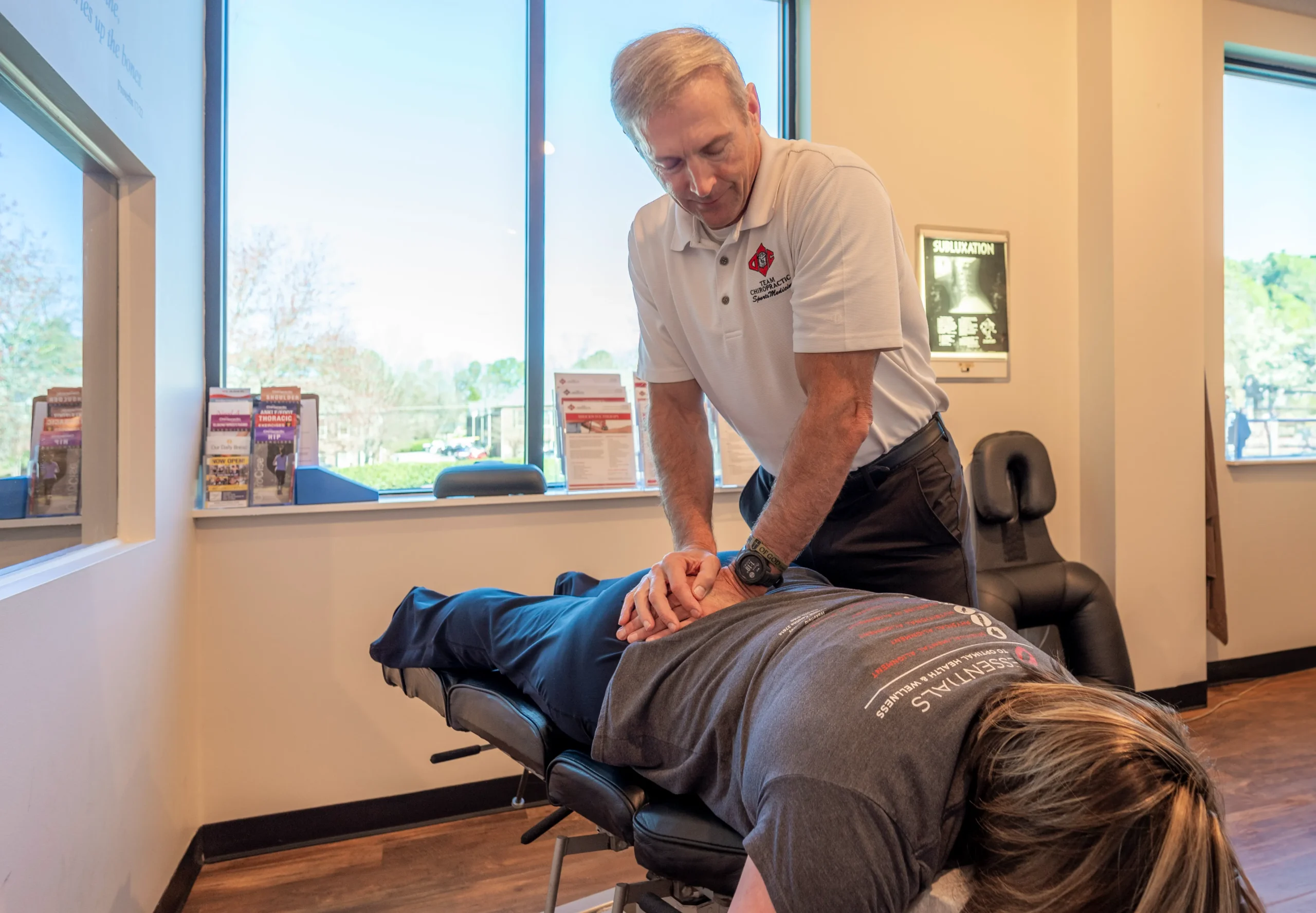
Chiropractors perform precise, gentle adjustments to the jaw joint to restore proper alignment. These adjustments can reduce strain on surrounding muscles, alleviate pressure on nerves, and improve overall jaw mobility. Proper alignment can also decrease tension that contributes to headaches and migraines.
2. Cervical Spine Adjustments
Misalignments in the neck or upper spine often exacerbate TMJ pain. By performing cervical adjustments, chiropractors help restore proper spinal alignment, improve nervous system function, and reduce referred pain in the jaw, head, and shoulders. Addressing the spine holistically supports better posture and reduces chronic stress on the TMJ.
3. Soft Tissue Therapy
Muscles surrounding the jaw, face, and neck can become tight or inflamed due to bruxism, stress, or injury. Chiropractors use techniques like myofascial release, trigger point therapy, and massage to relax these muscles, increase blood flow, and relieve tension. This therapy complements adjustments and can significantly improve comfort and function.
4. Corrective Exercises and Postural Guidance
Home exercises and postural strategies are critical for long-term TMJ relief. Chiropractors may recommend:
- Gentle jaw stretches to improve range of motion
- Strengthening exercises for supporting facial and neck muscles
- Ergonomic guidance to maintain proper head and neck alignment
- Stress management techniques to reduce clenching or grinding
Consistent practice of these exercises enhances chiropractic adjustments and helps prevent recurring TMJ pain.
The Link Between TMJ Pain, Headaches, and Neck Tension
TMJ disorders are closely associated with headaches and neck discomfort. Misalignment or tension in the jaw can radiate through the muscles of the head, face, and neck, causing chronic headaches or migraines. Cervical spine misalignments can worsen this effect, creating a cycle of tension and pain.
Chiropractic care addresses this interconnected system by:
- Aligning the jaw and cervical spine
- Reducing muscular tension through soft tissue therapy
- Improving blood flow and nervous system function
- Teaching posture correction and lifestyle modifications
Patients often notice a reduction in headache frequency, intensity, and neck stiffness after a series of treatments.
Chiropractic Care for Stress-Related TMJ Disorders
Stress is a major contributor to TMJ dysfunction. Jaw clenching and teeth grinding often occur subconsciously during stressful situations, leading to muscle fatigue, inflammation, and joint irritation. Chiropractors help manage these stress-related symptoms through a combination of:
- Relaxation techniques
- Muscle therapy
- Jaw and spinal adjustments
- Exercise and ergonomic guidance
This holistic approach not only reduces pain but also promotes long-term wellness and tension management.
Benefits of Chiropractic Care for TMJ Disorders
Chiropractic care provides a variety of benefits for patients with TMJ pain, including:
- Improved jaw alignment and range of motion
- Reduction in headaches and migraines
- Relief from neck, shoulder, and upper back tension
- Decreased muscle fatigue and soreness
- Enhanced overall posture and spinal health
- Non-invasive, drug-free treatment option
By addressing both the symptoms and underlying causes, chiropractic care helps patients achieve sustainable relief from TMJ-related discomfort.
Integrating Chiropractic with Other TMJ Treatments
Chiropractic care can be combined with other therapies for optimal results, such as:
- Dental interventions – Bite guards or splints to prevent teeth grinding
- Physical therapy – Complementary exercises for jaw, neck, and shoulder strength
- Nutrition and anti-inflammatory strategies – Reducing systemic inflammation that may aggravate joint pain
- Stress reduction techniques – Meditation, biofeedback, or yoga to limit jaw clenching
This multidisciplinary approach ensures comprehensive care for TMJ patients.
When to Seek Chiropractic Care for TMJ Pain
Patients should consult a chiropractor if they experience:
- Persistent jaw pain or tenderness
- Frequent headaches or migraines associated with jaw movement
- Clicking, popping, or locking of the jaw
- Neck, shoulder, or facial muscle tension
- Difficulty opening or closing the mouth fully
Early intervention often leads to faster relief and prevents the development of chronic TMJ dysfunction.
What to Expect During a Chiropractic Visit for TMJ Pain
A typical visit may include:
- Comprehensive evaluation of jaw, neck, and spine
- Gentle TMJ and spinal adjustments
- Soft tissue therapy to relieve muscle tension
- Postural assessment and ergonomic guidance
- Personalized home exercise plan to support recovery
Patients can expect gradual improvement in pain levels, jaw mobility, and headache frequency with consistent care.
Preventing Recurring TMJ Issues
Long-term TMJ health depends on a combination of chiropractic care and lifestyle strategies. Patients are encouraged to:
- Maintain good posture at work and home
- Avoid excessive chewing on gum or hard foods
- Practice stress management techniques
- Wear protective dental devices if prone to grinding
- Follow exercise and stretching routines recommended by their chiropractor
These preventive measures help ensure lasting relief and prevent recurring jaw pain.
The Bottom Line
TMJ disorders can significantly affect daily life, causing jaw pain, headaches, and neck tension. Chiropractic care offers a safe, effective, and non-invasive solution to restore jaw alignment, reduce muscle tension, and improve overall function. By addressing the root causes of TMJ pain and incorporating adjustments, soft tissue therapy, and corrective exercises, chiropractors help patients find lasting relief and improved quality of life.
Whether you suffer from stress-related jaw tension, chronic headaches, or postural issues affecting the TMJ, chiropractic care provides a holistic approach to jaw health and overall wellness.
If you are struggling with TMJ pain, headaches, or jaw tension, schedule a consultation with Team Chiropractic today. Our experienced chiropractors in Raleigh and Wake Forest specialize in TMJ disorder treatment, jaw alignment, and comprehensive musculoskeletal care to help you find relief, prevent reinjury, and restore optimal function. Don’t wait—take the first step toward a healthier, pain-free jaw today.