Stress is an unavoidable part of modern life, affecting millions of people in Raleigh, Wake Forest, and beyond. While it is often associated with mental and emotional strain, chronic stress also has profound effects on physical health, particularly spinal health. Prolonged stress can lead to muscle tension, misalignments, and nerve irritation, resulting in pain, reduced mobility, and increased risk of injury. For individuals seeking natural, drug-free solutions, working with a stress relief chiropractor can provide effective care, helping to manage tension, restore spinal health, and improve overall wellness. Team Chiropractic specializes in providing targeted chiropractic treatments to support stress relief, improve spinal function, and promote long-term health.
The Connection Between Stress and Spinal Health
The human body is designed to handle short-term stress, activating the “fight or flight” response to protect against immediate threats. However, chronic stress keeps the body in a constant state of heightened alert, releasing stress hormones such as cortisol and adrenaline. This prolonged response affects muscles, joints, and the spine, often leading to tension and discomfort.
Muscle tension, particularly in the neck, shoulders, and lower back, is a common consequence of chronic stress. Tight muscles pull on the spine, leading to misalignments, restricted mobility, and nerve irritation. Over time, these issues can contribute to chronic back pain, headaches, and postural imbalances, creating a cycle of discomfort and further stress.
How Stress Contributes to Back and Neck Pain
Stress-related spinal issues often manifest as pain in the neck, upper back, and lower back. Prolonged tension in these areas can compress vertebrae, irritate nerves, and reduce blood flow, impairing the body’s natural healing processes. Individuals under constant stress may also adopt poor posture, such as slouching at a desk or hunching over a phone, which further exacerbates spinal strain.
Left unaddressed, stress-induced spinal tension can lead to more serious problems, including herniated discs, sciatica, and chronic musculoskeletal pain. These conditions not only impact physical health but can also affect sleep, mood, and overall quality of life.
The Role of a Stress Relief Chiropractor
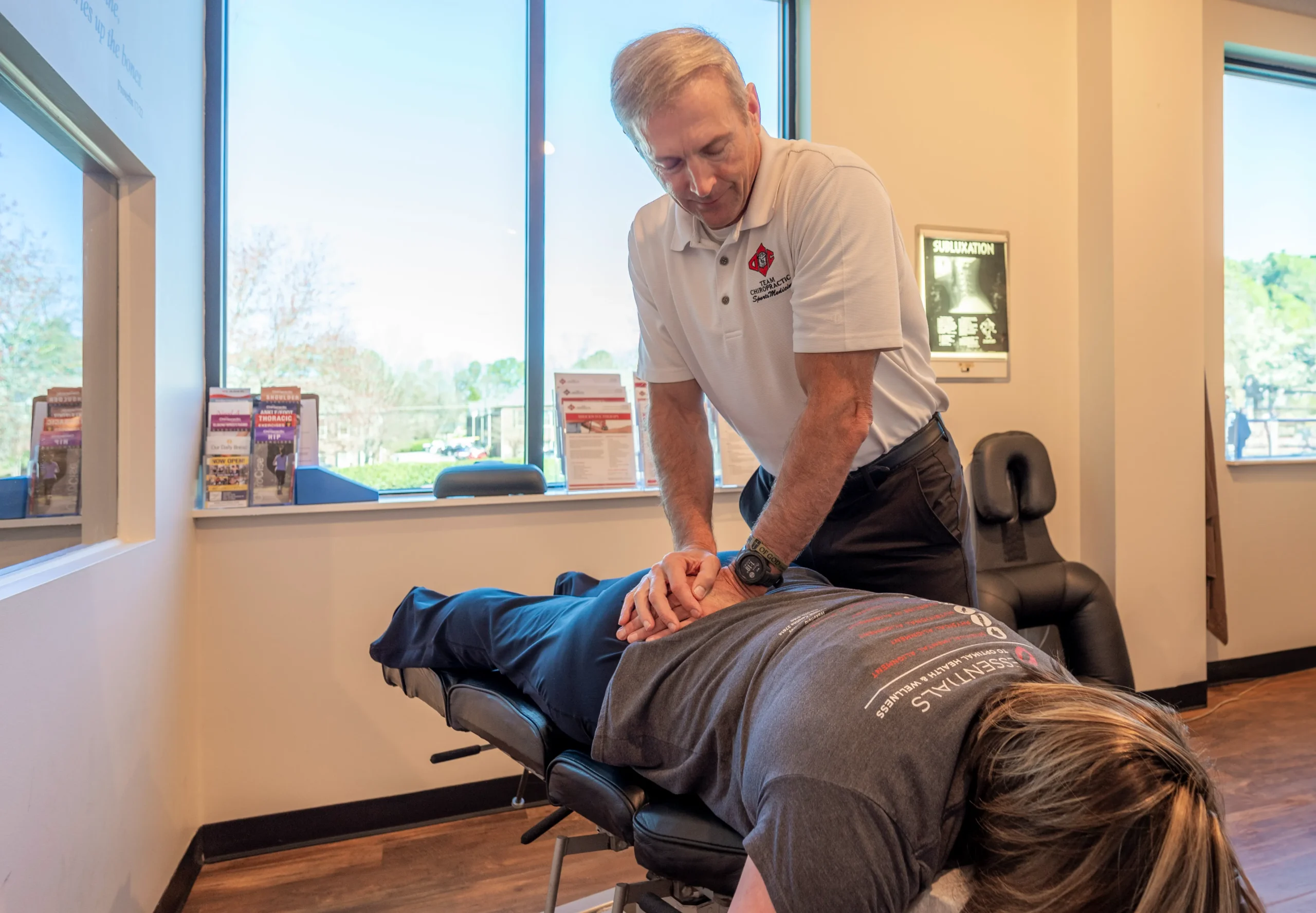
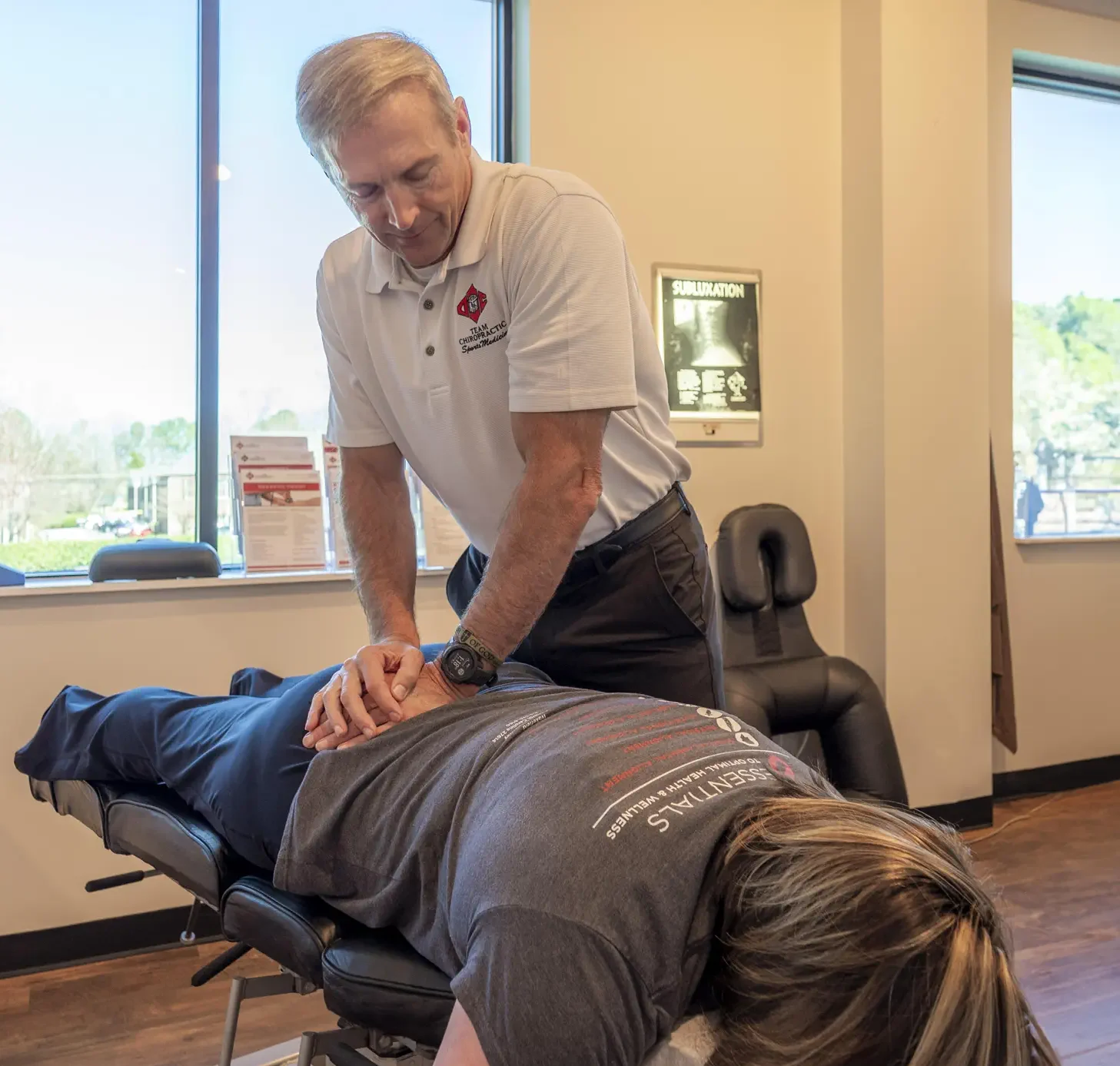
A stress relief chiropractor focuses on addressing the musculoskeletal effects of stress while supporting overall spinal health. Through targeted spinal adjustments, chiropractors correct misalignments, improve joint mobility, and relieve pressure on nerves. These adjustments reduce muscle tension, promote proper posture, and restore optimal function to the spine.
Chiropractic care also supports the nervous system, which plays a critical role in how the body responds to stress. Proper spinal alignment ensures that nerve signals travel efficiently, reducing irritation, enhancing communication between the brain and body, and promoting relaxation.
Techniques Used to Manage Tension and Stress
Chiropractors use a variety of techniques to relieve stress-related spinal tension. Some common approaches include:
- Spinal Adjustments: Gentle, precise manipulations of the vertebrae to correct misalignments, improve mobility, and relieve nerve irritation.
- Soft Tissue Therapy: Techniques such as myofascial release, trigger point therapy, and massage help reduce muscle tension, break up adhesions, and improve circulation.
- Posture and Ergonomic Guidance: Education on proper posture and body mechanics helps prevent repetitive stress and supports long-term spinal health.
- Rehabilitative Exercises: Targeted exercises strengthen supporting muscles, improve flexibility, and enhance spinal stability, reducing susceptibility to tension-related pain.
By combining these techniques, chiropractors address both the physical manifestations of stress and the underlying causes of spinal dysfunction.
Benefits of Chiropractic Care for Stress Management
Chiropractic care offers a holistic approach to managing stress and promoting overall wellness. Regular visits to a stress relief chiropractor can result in:
- Reduced muscle tension and pain in the neck, back, and shoulders
- Improved spinal alignment and posture
- Enhanced nerve function and communication
- Increased flexibility, range of motion, and mobility
- Better sleep, relaxation, and mental clarity
Patients often report feeling lighter, less fatigued, and more able to manage the demands of daily life after consistent chiropractic care.
Supporting Spinal Health Through Lifestyle
In addition to chiropractic adjustments, lifestyle choices play a critical role in managing stress and maintaining spinal health. Chiropractors often recommend:
- Mindfulness practices, meditation, or deep breathing exercises to reduce stress levels
- Regular exercise to strengthen muscles supporting the spine and improve overall fitness
- Ergonomic modifications at work or home to maintain proper posture
- Adequate hydration and nutrition to support tissue repair and overall wellness
- Sleep hygiene practices to promote restorative rest
By combining these strategies with chiropractic care, individuals in Raleigh and Wake Forest can reduce tension, prevent injury, and maintain long-term spinal health.
Case Study: Chiropractic for Stress-Induced Back Pain
Consider a patient experiencing chronic neck and upper back pain due to prolonged work stress. The individual reported difficulty focusing, disrupted sleep, and persistent tension in the shoulders. After an initial evaluation at Team Chiropractic, a care plan was created that included spinal adjustments, soft tissue therapy, posture training, and home exercises. Within weeks, the patient noticed reduced pain, improved mobility, and a greater ability to manage daily stress. This example demonstrates how targeted chiropractic care can address both physical and functional aspects of stress-related spinal issues.
Integrating Chiropractic into a Stress Management Routine
For best results, chiropractic care should be part of a comprehensive stress management routine. Scheduling regular adjustments helps maintain spinal alignment and prevent tension from accumulating. Additionally, combining chiropractic care with other wellness practices, such as yoga, meditation, and physical conditioning, maximizes the benefits of treatment.
At Team Chiropractic, Raleigh and Wake Forest patients receive individualized care plans tailored to their stress levels, spinal health needs, and lifestyle. This holistic approach ensures that both immediate relief and long-term wellness goals are addressed.
Why Choose Team Chiropractic
Team Chiropractic is dedicated to helping patients achieve optimal spinal health while managing the physical effects of stress. Our chiropractors are trained to identify and correct misalignments, relieve muscle tension, and enhance overall body function. By focusing on stress relief, tension management, and spinal alignment, we provide a natural, drug-free approach to reducing pain and improving quality of life.
Whether you are experiencing stress-related back pain, neck tension, or general discomfort, our Raleigh and Wake Forest chiropractic clinics offer a comprehensive approach to restore balance, promote relaxation, and enhance spinal function.
Conclusion
Chronic stress affects more than the mind—it takes a toll on the spine, muscles, and overall physical health. For individuals in Raleigh and Wake Forest, chiropractic care offers an effective, holistic approach to manage stress, relieve tension, and maintain spinal health. A stress relief chiropractor provides gentle adjustments, soft tissue therapy, rehabilitative exercises, and lifestyle guidance to restore alignment, reduce pain, and support long-term wellness.
If stress and tension are affecting your spinal health or daily comfort, schedule a consultation with Team Chiropractic today. Our experienced chiropractors will create a personalized care plan to help you manage stress, improve spinal function, and enhance overall quality of life.