Chronic back pain can make even simple daily activities feel overwhelming. If you’ve tried rest, medications, or traditional chiropractic care and still struggle with discomfort, you may have heard about spinal decompression therapy as a potential next step. Many people searching for long-term relief want to understand how this treatment works, what it feels like, and whether it’s appropriate for their specific condition.
At Team Chiropractic & Sports Medicine, spinal decompression therapy is commonly used to help patients in Raleigh and Wake Forest, NC address disc-related back pain without surgery. Below is a realistic look at what to expect before, during, and after spinal decompression treatment.
What Is Spinal Decompression Therapy?
Spinal decompression therapy is a non-surgical treatment designed to gently stretch the spine using a specialized traction table. This controlled stretching helps reduce pressure on spinal discs, nerves, and surrounding structures.
Unlike general traction, spinal decompression is carefully programmed to:
- Target specific spinal segments
- Alternate between stretching and relaxation phases
- Encourage improved circulation and nutrient flow to injured discs
Many patients dealing with herniated discs, bulging discs, or degenerative disc disease choose decompression because it focuses on reducing the source of pressure rather than simply masking pain.
Conditions Commonly Treated with Spinal Decompression
Spinal decompression therapy is often recommended for patients experiencing:
- Chronic lower back pain
- Herniated or bulging discs
- Sciatica or radiating leg pain
- Degenerative disc disease
- Pinched nerves
- Facet joint irritation
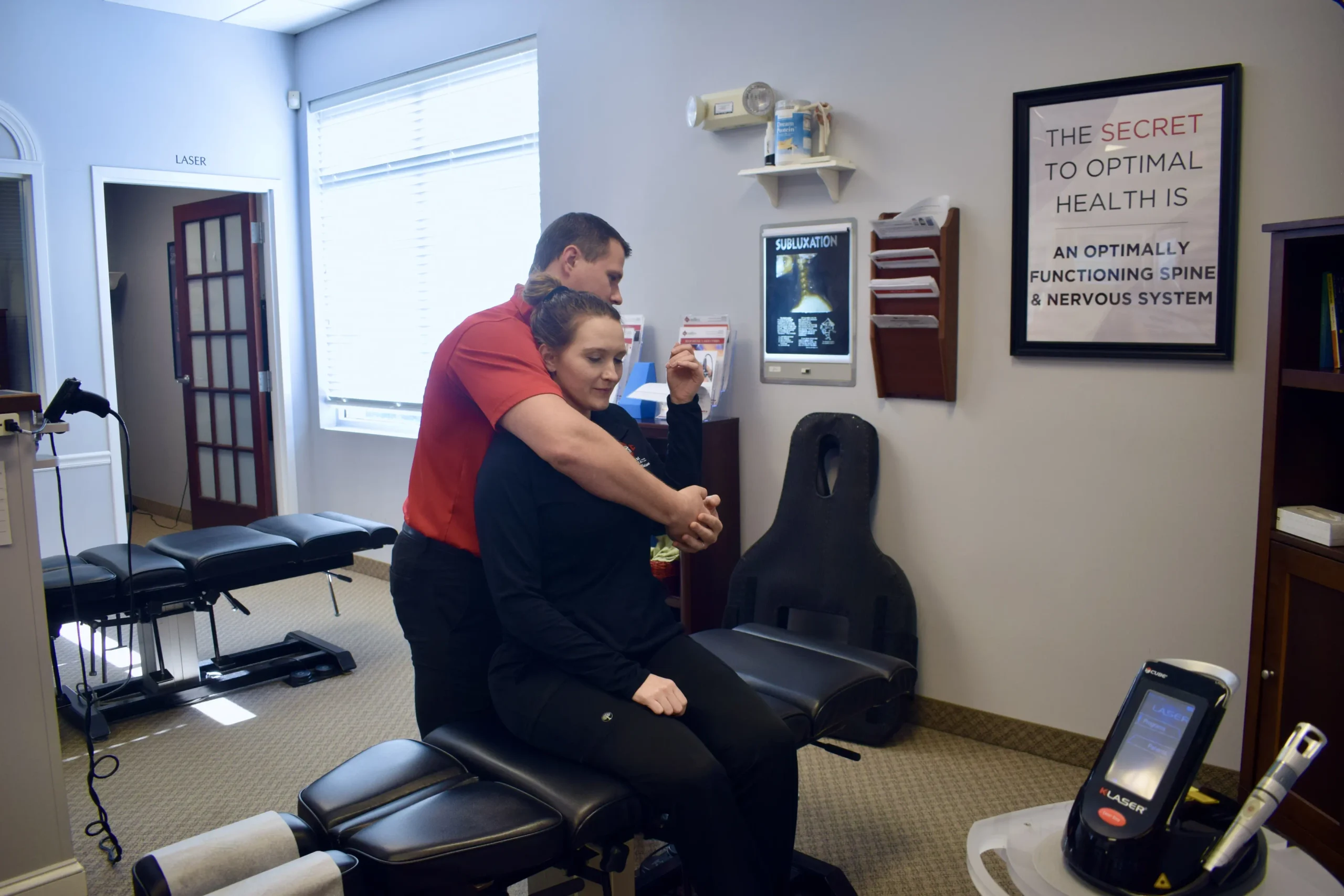
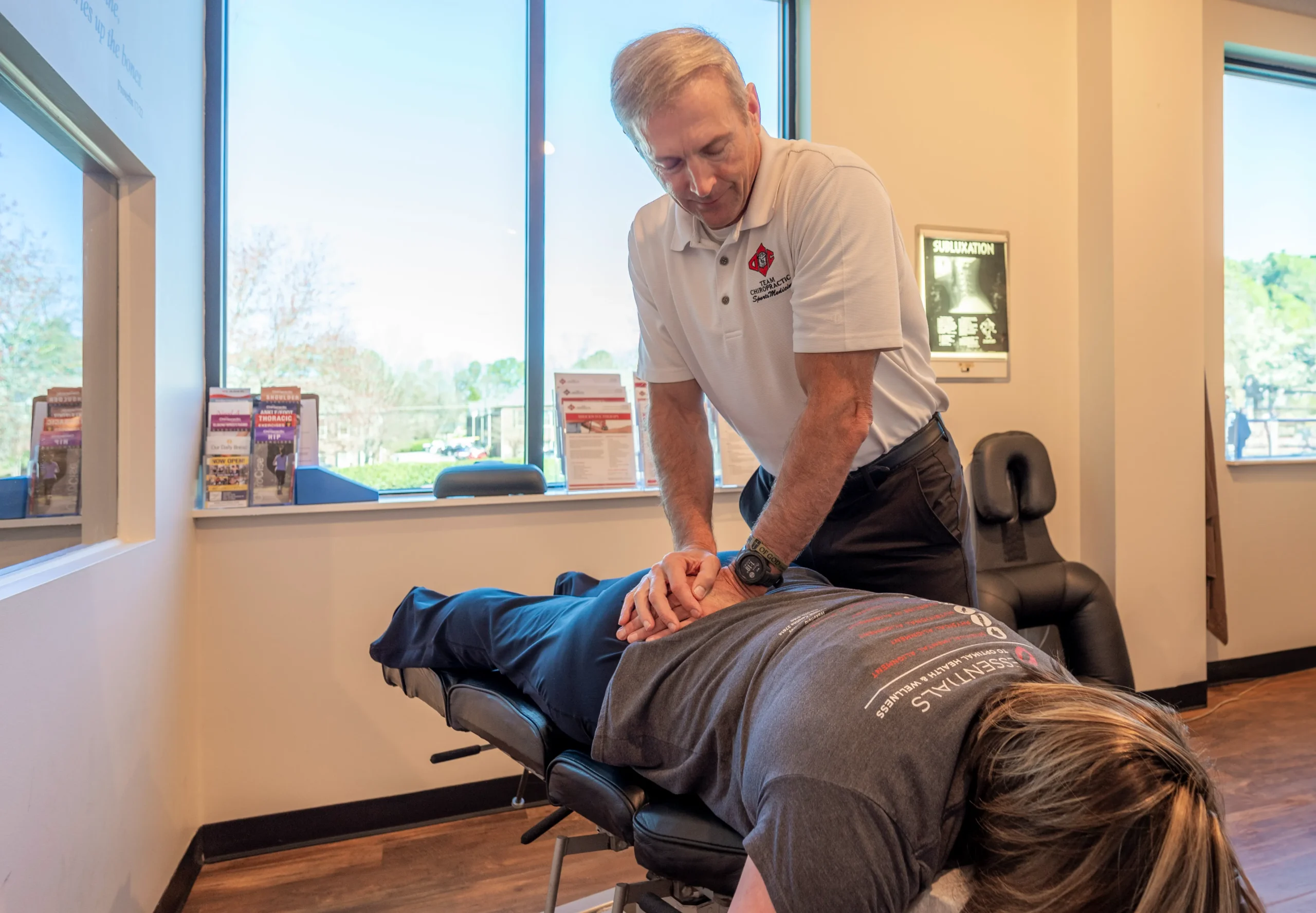
If your back pain worsens when sitting, bending, or standing for extended periods, decompression therapy may help reduce disc pressure and improve mobility. Many patients also combine decompression with chiropractic adjustments to improve spinal alignment and support long-term healing.
For additional education, patients often find value in reading about how to manage sciatica naturally and understanding how disc pressure affects spinal nerves.
What Happens During Your Initial Evaluation?
Before beginning spinal decompression therapy, your chiropractor will perform a thorough evaluation to determine whether this treatment is appropriate for your condition.
At Team Chiropractic, this typically includes:
- A detailed health and injury history
- Postural and movement assessments
- Orthopedic and neurological testing
- Review of imaging, such as X-rays or MRIs (if available)
This evaluation step is essential, as spinal decompression is not recommended for every condition. Patients with fractures, advanced osteoporosis, or certain spinal instabilities may need alternative treatment options.
If decompression is appropriate, your provider will design a personalized care plan based on your symptoms, lifestyle, and goals — whether your pain is long-standing or related to a recent injury.
What a Spinal Decompression Session Feels Like
One of the most common questions patients ask is whether spinal decompression therapy is painful. In most cases, the experience is gentle and comfortable.
During a session:
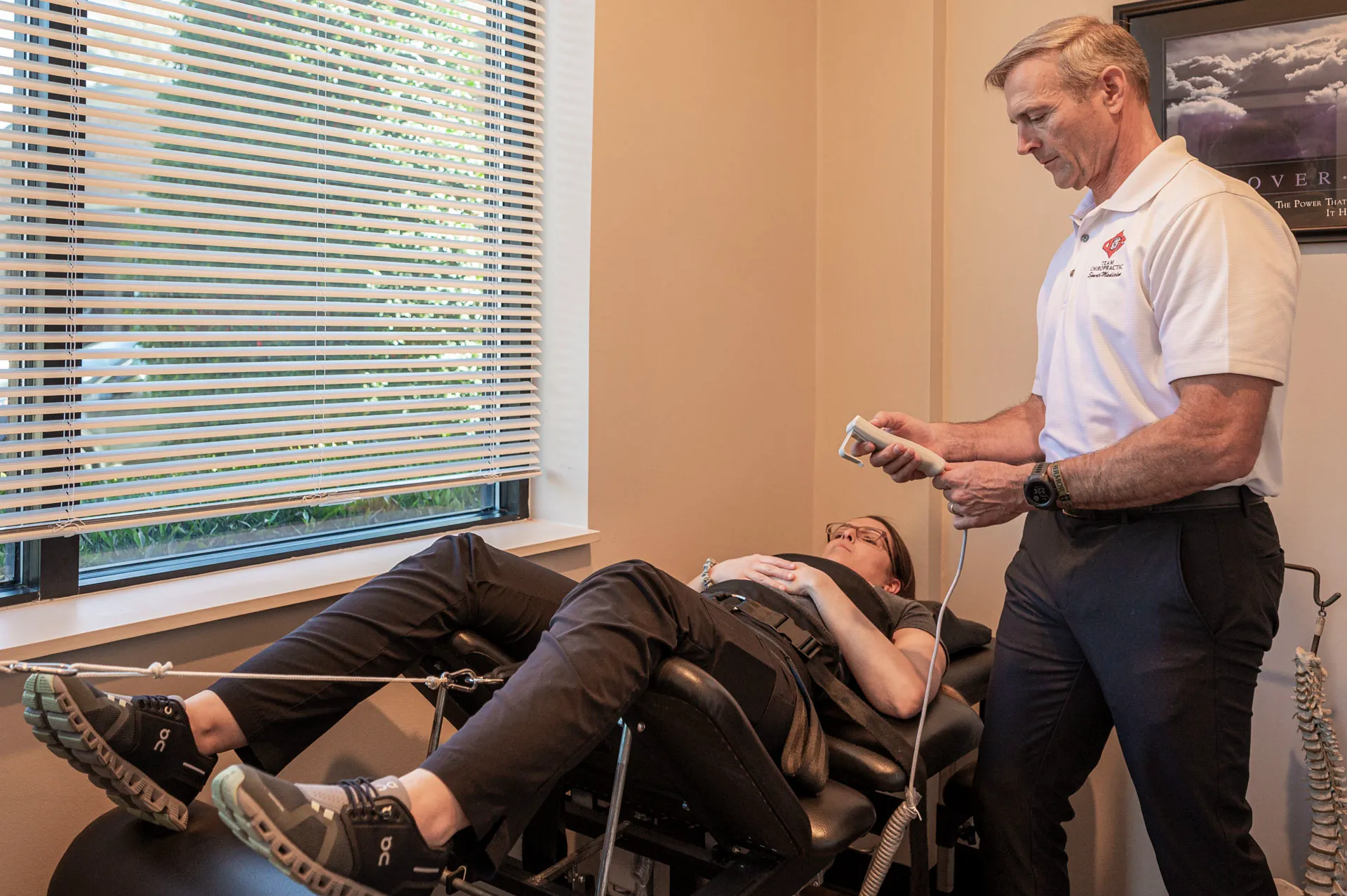
- You’ll lie fully clothed on a specialized decompression table
- A harness is secured around your lower back or neck, depending on the area treated
- The table slowly and precisely applies traction to the spine
Most sessions last 15–30 minutes, and many patients describe the sensation as a mild stretching or pulling feeling. You’re able to relax throughout the process.
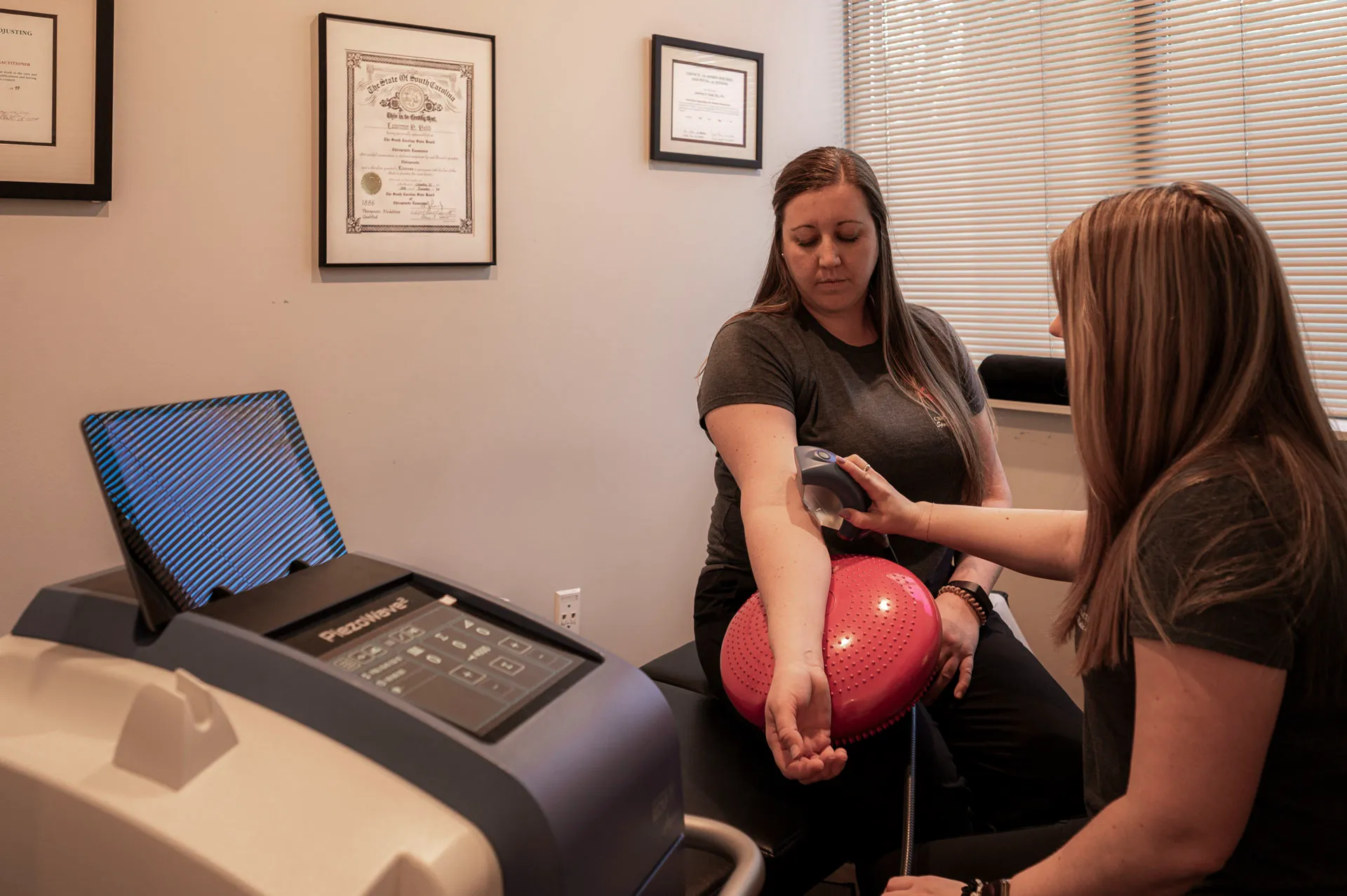
For patients with muscle tightness or inflammation, decompression therapy is often paired with soft tissue release therapy or K-Laser therapy to improve comfort and support tissue healing.
How Many Sessions Are Usually Needed?
Spinal decompression therapy is not a one-time treatment. Most patients require a series of sessions to achieve lasting results.
A typical care plan may include:
- 2–3 sessions per week initially
- Gradual reduction in frequency as symptoms improve
- Complementary therapies to support recovery
Many patients begin noticing improvements within the first few weeks, particularly when decompression is combined with corrective care, mobility exercises, and lifestyle guidance.
Your chiropractor will regularly reassess progress and adjust your plan to ensure continued improvement and long-term results.
What Results Can You Expect?
While individual outcomes vary, spinal decompression therapy is designed to:
- Reduce disc pressure
- Improve spinal mobility
- Decrease nerve irritation
- Support the body’s natural healing processes
Patients commonly report:
- Reduced sciatica or radiating leg pain
- Improved ability to sit or stand comfortably
- Less dependence on pain medication
- Better overall movement and function
Many patients also explore related education on back pain and spinal disc problems to better understand how decompression supports recovery.
Is Spinal Decompression Right for You?
Spinal decompression therapy may be a good option if:
- You’ve been dealing with persistent back pain
- You want to avoid surgery or injections
- You’re looking for a conservative, evidence-based approach
Some patients benefit most when decompression is combined with supportive services such as nutritional therapy consultation or rehabilitative care to help manage inflammation and promote tissue healing.
The best way to determine whether decompression is appropriate is through a professional evaluation tailored to your condition.
Why Local Experience Matters
Choosing a provider who understands both your condition and your lifestyle can make a meaningful difference. Patients in Raleigh and Wake Forest, NC often juggle desk work, commuting, athletic training, and busy family schedules — all of which can contribute to chronic back pain.
At Team Chiropractic & Sports Medicine, care plans are designed to:
- Fit into your schedule
- Address the underlying cause of pain
- Support long-term spinal health
Whether you’re receiving care at the Raleigh chiropractic office or the Wake Forest location, treatment is personalized to help you move and feel better without unnecessary procedures.
The Bottom Line
Spinal decompression therapy is a proven, non-surgical option for many people struggling with chronic back pain. By reducing pressure on spinal discs and supporting natural healing, it offers a path toward relief that goes beyond temporary symptom management.
Understanding what to expect — from your initial evaluation to your ongoing care plan — helps you make informed decisions about your health. With the right approach and professional guidance, spinal decompression therapy can play a meaningful role in restoring comfort, mobility, and quality of life.