
Car Accident Chiropractor in Raleigh, NC
If a collision has left you with neck pain, back pain, stiffness, headaches, or limited movement, Team Chiropractic can evaluate your symptoms and help you understand your options. We provide personalized chiropractic care for auto accident injuries at our Raleigh and Wakefield offices.
Get in Touch

What to Do After a Car Accident
The first priority after a collision is addressing immediate safety and potentially serious injuries. Call 911 or seek emergency medical care when symptoms are severe, someone may have sustained a head injury, or you are unsure whether it is safe to leave the scene.
After urgent concerns have been addressed:
- Follow your discharge instructions. If you visited an emergency department, urgent care center, or physician, follow the recommendations you received.
- Monitor how you feel. Pay attention to new or changing pain, stiffness, headaches, dizziness, numbness, weakness, or difficulty completing everyday activities.
- Keep your medical information together. Save discharge paperwork, imaging reports, medication lists, and instructions from other healthcare providers.
- Avoid diagnosing the injury yourself.
- Symptoms that seem minor can have multiple possible causes, while soreness does not necessarily indicate a serious injury.
- Schedule an appropriate evaluation. If you develop nonemergency musculoskeletal symptoms, Team Chiropractic can evaluate whether chiropractic care may be appropriate or whether you should see another provider.
A chiropractic appointment is not a replacement for emergency care. If warning signs develop, seek immediate medical attention instead of waiting for a routine appointment.
Symptoms That May Appear After a Collision
The force of a collision can affect muscles, ligaments, joints, nerves, and other structures. Symptoms vary depending on the type of impact, your position in the vehicle, previous injuries, and other individual factors.
Symptoms that may warrant evaluation include:
- Neck pain or stiffness: Discomfort may occur while turning your head, looking down, driving, or sleeping.
- Upper-, middle-, or lower-back pain: Pain may feel localized, spread across a larger area, or become more noticeable during certain movements.
- Headaches: Some headaches may be associated with neck tension, while others may require medical evaluation for a possible head injury.
- Shoulder or joint discomfort: The seat belt, steering wheel, impact, or bracing during the collision can place stress on the shoulders and other joints.
- Muscle soreness or tightness: Soft tissues may feel tender, fatigued, swollen, or restricted after an accident.
- Reduced range of motion: Turning, bending, reaching, or completing normal activities may feel more difficult.
- Numbness or tingling: Changes in sensation may indicate nerve irritation or another concern that requires a careful evaluation.
- Pain that travels into an arm or leg: Radiating symptoms can have several possible causes and should not automatically be attributed to a simple muscle strain.
- Difficulty with normal activities: Working, driving, exercising, sleeping, or caring for your family may become uncomfortable.
These symptoms do not confirm a specific diagnosis. Team Chiropractic will evaluate the circumstances of the collision, your health history, and your current findings before discussing care.

Common Injuries Following a Car Accident
Whiplash and Neck Sprains
Whiplash occurs when the neck moves rapidly during a collision, placing stress on its muscles, ligaments, joints, and surrounding tissues. Symptoms may include neck pain, stiffness, headaches, shoulder discomfort, or reduced range of motion.
Back Strains and Sprains
Soft-Tissue Injuries
Joint and Extremity Injuries
Why Some Accident Symptoms May Be Delayed
Not every accident-related symptom appears at the scene. Neck stiffness, muscle soreness, headaches, and reduced mobility may become more noticeable several hours or days after a collision.
Soft-tissue irritation can develop gradually, and symptoms may be easier to recognize once you resume work, driving, exercise, or other normal activities. Whiplash-related pain may also be delayed rather than immediate.
Delayed symptoms do not mean that every collision causes a “hidden injury,” but they should not be dismissed simply because you initially felt fine. Note when symptoms began, how they have changed, and which activities affect them.
Headaches, dizziness, confusion, nausea, vision changes, balance problems, or unusual fatigue can also be associated with a concussion or other medical concern. Because concussion symptoms may appear hours or days later, seek medical evaluation rather than assuming they are caused only by neck tension.
How Team Chiropractic Evaluates Auto Accident Injuries
Collision and Health History
Your doctor will ask about the accident, the direction of impact, your position in the vehicle, when symptoms began, and any care you have already received. Previous injuries and relevant health conditions will also be reviewed.
Symptom and Physical Evaluation
The examination may include assessing painful areas, tenderness, swelling, joint motion, muscle tension, and the movements that increase or decrease your symptoms.
Movement and Neurological Screening
Your doctor may evaluate range of motion, strength, reflexes, sensation, balance, or coordination when clinically appropriate. These findings can help determine whether additional medical evaluation is needed.
Recommendations, Imaging, or Referral
After reviewing the findings, your doctor will explain whether chiropractic care may be appropriate. Imaging, medical referral, co-management, or emergency evaluation may be recommended when the circumstances or findings warrant it.
What Auto Accident Injury Care May Include
Chiropractic Adjustments
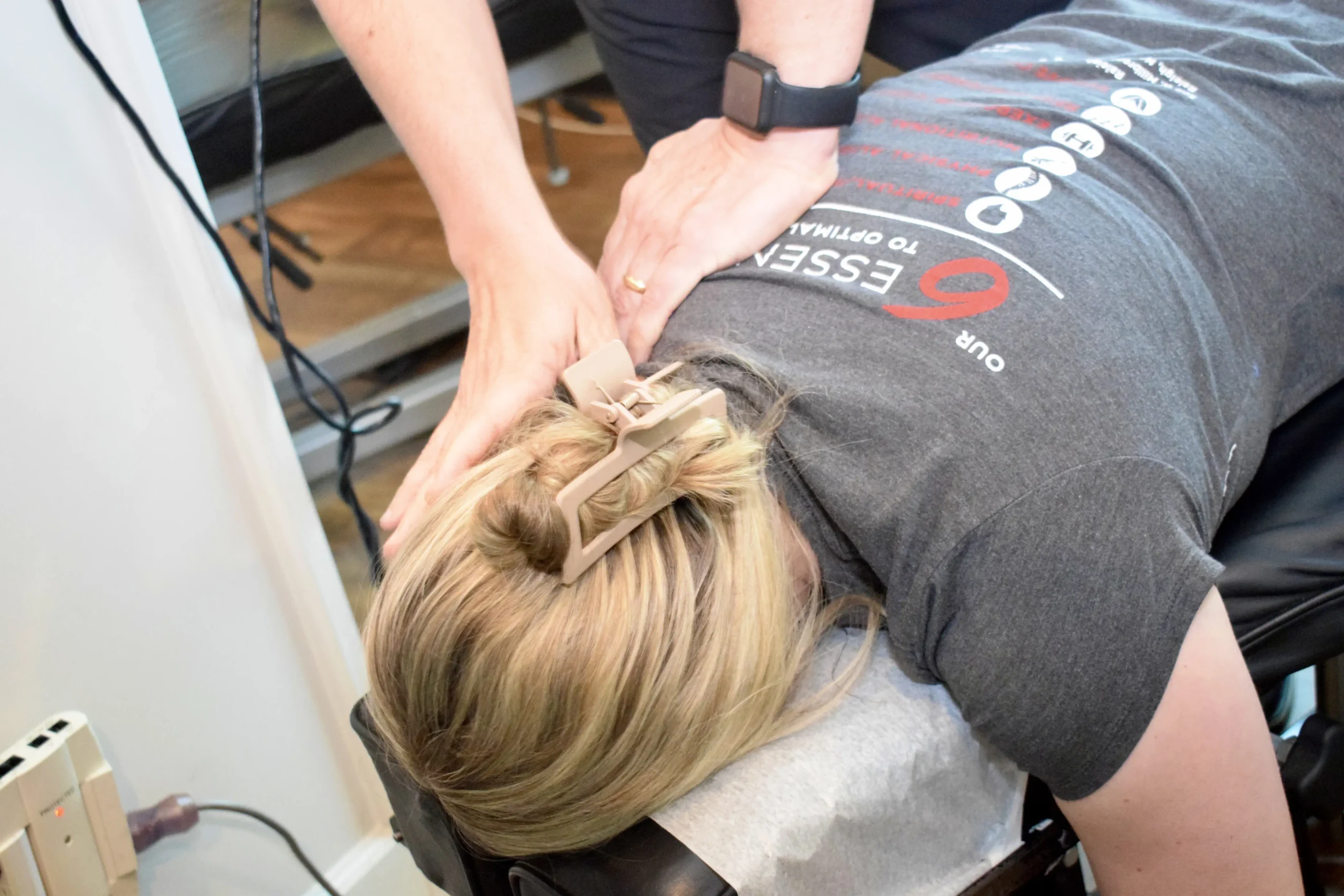
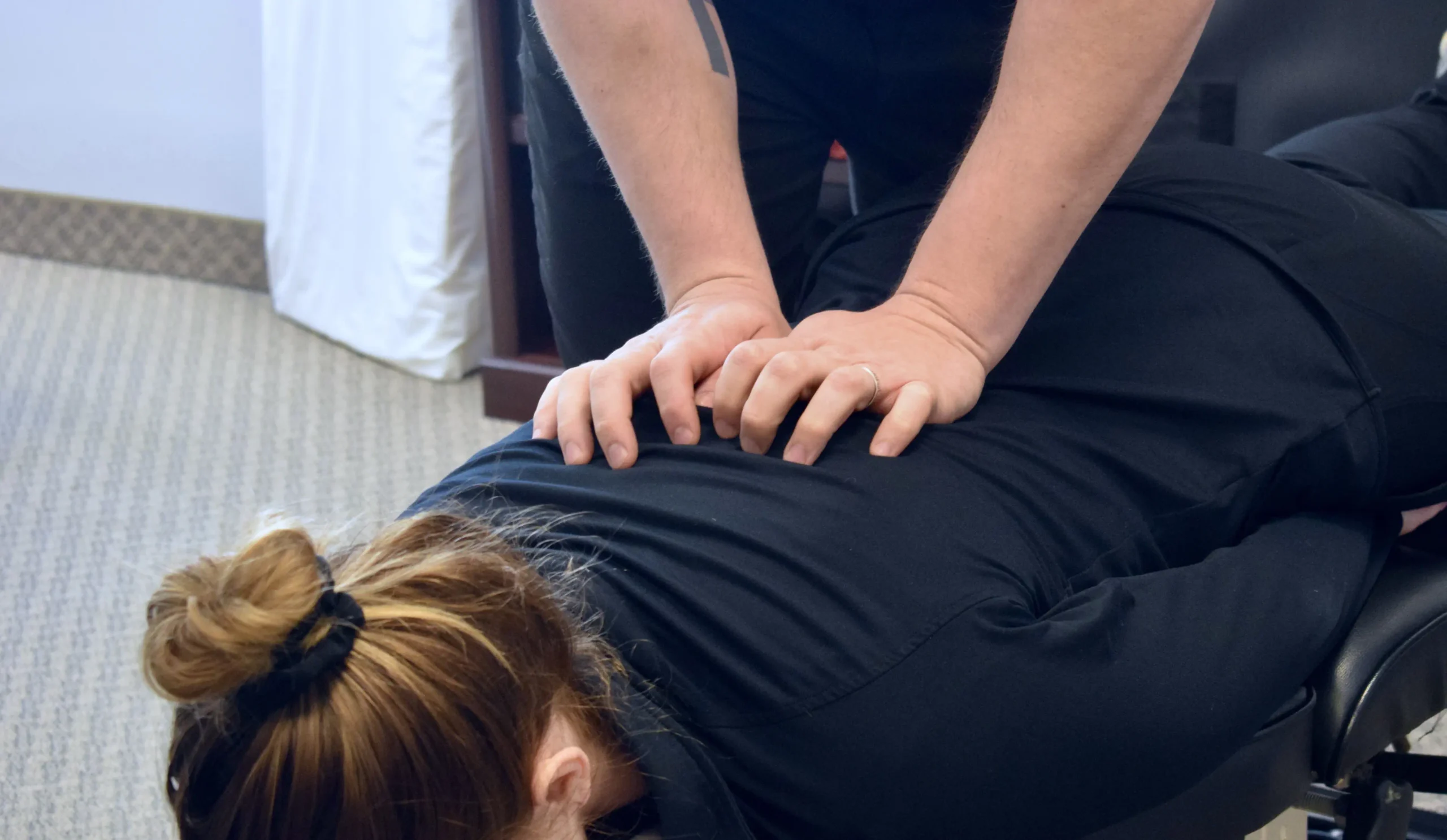
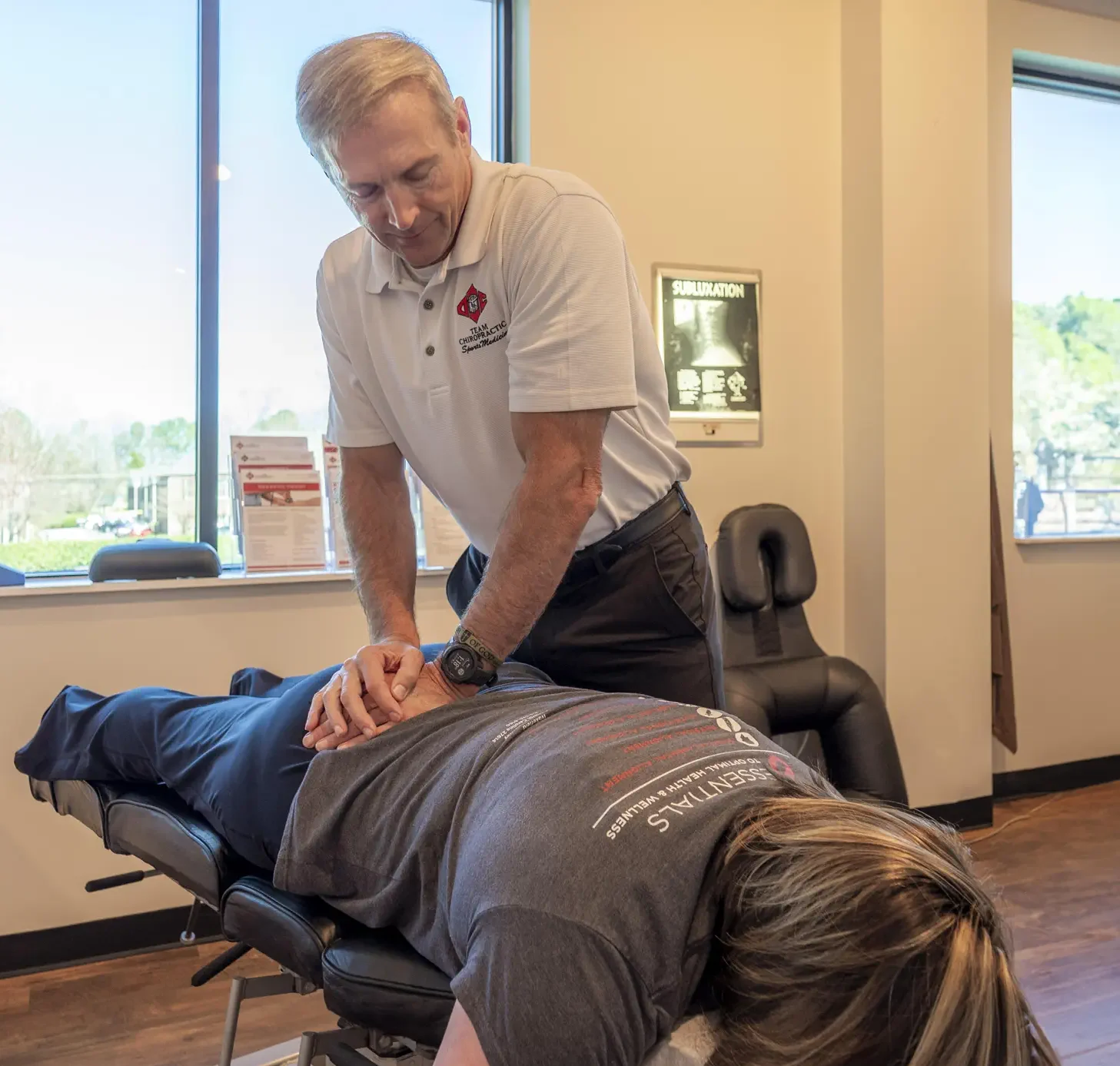
Chiropractic adjustments use controlled movements intended to address restricted joints and support mobility. The technique, positioning, and amount of force are selected according to the patient and the area being treated.
Soft Tissue Release
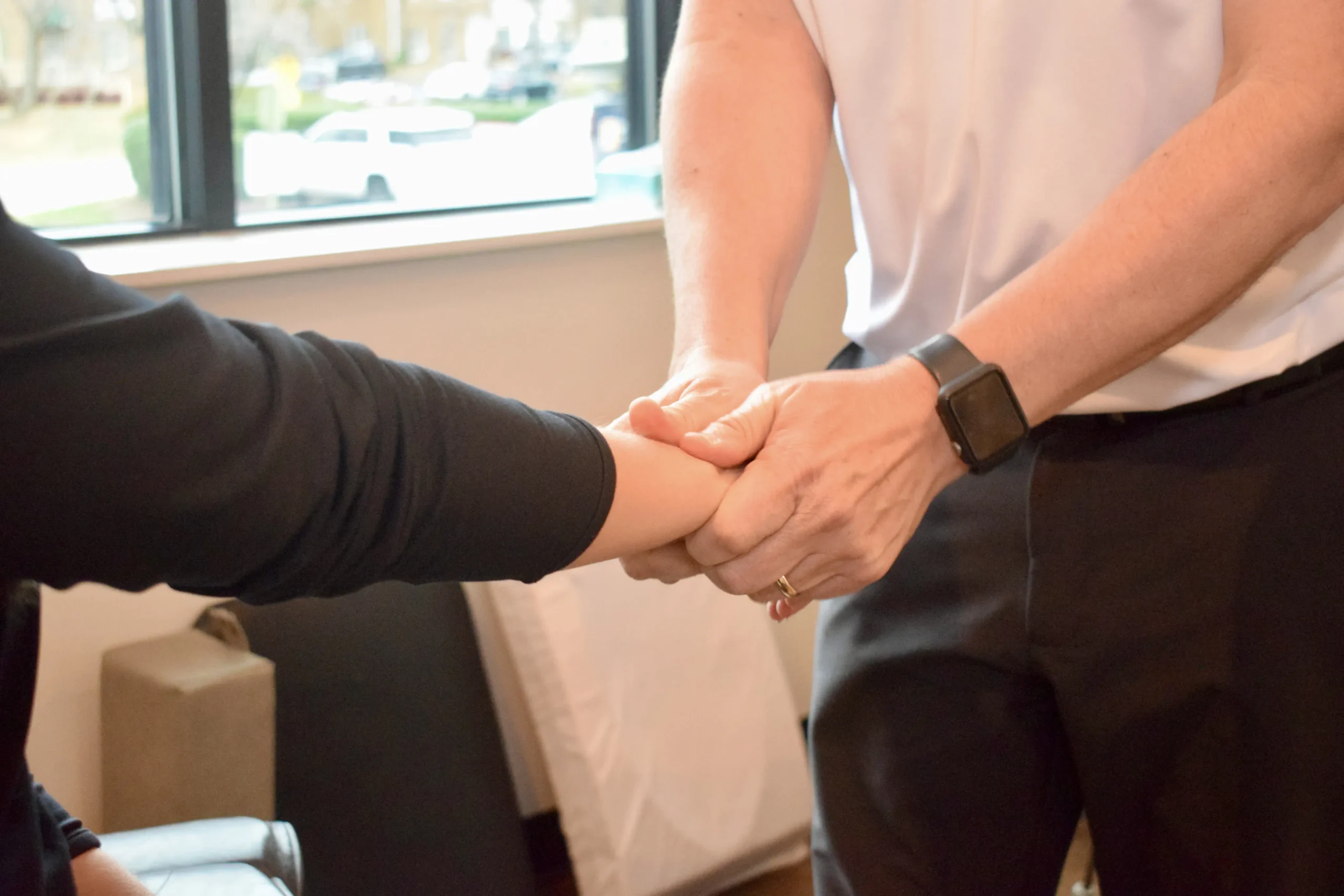
Soft tissue release uses targeted manual techniques to address muscle tension and restricted movement. It may be incorporated when strained or guarded muscles are contributing to discomfort or limited mobility.
K-Laser Therapy
K-Laser therapy may be considered for targeted areas of pain or soft-tissue discomfort as part of a broader care plan. Its suitability depends on the type of injury, the tissues involved, and the patient’s health history.
Spinal Decompression Therapy
Spinal decompression uses controlled traction to change pressure on the spine. It may be considered for certain patients with disc-related findings or radiating symptoms, but it is not appropriate for every acute injury or every stage of recovery.
When Accident Symptoms Require Immediate Medical Attention
Some symptoms following a collision require emergency medical care rather than a chiropractic appointment. Call 911 or visit an emergency department if you experience:
- A worsening headache that does not go away
Repeated vomiting - Loss of consciousness or difficulty staying awake
- Confusion, unusual behavior, agitation, or slurred speech
- A seizure or convulsion
- One pupil appearing larger than the other
- New or progressive weakness, numbness, or loss of coordination
- Severe chest pain, abdominal pain, or difficulty breathing
- New bowel or bladder control problems
- Severe or rapidly worsening neck or back pain
- Inability to safely stand, walk, or move after the collision
Headaches, dizziness, vision changes, nausea, memory problems, and sensitivity to light or noise may be associated with a concussion and should receive medical attention.
Team Chiropractic screens for findings that may fall outside routine chiropractic care. If your history or examination suggests that another provider should be involved, we will explain the concern and recommend an appropriate next step. Do not wait for a chiropractic visit when symptoms appear urgent.
What to Expect During Auto Injury Recovery
There is no universal recovery timeline after a car accident. Progress depends on the type and severity of the injury, your health history, previous conditions, daily activities, and the care that is appropriate for your findings.
Your recovery process may involve:
- Managing the early stage carefully: Recommendations may initially focus on protecting irritated areas, maintaining appropriate movement, and avoiding activities that significantly worsen symptoms.
- Monitoring changes over time: Your doctor may reassess pain, mobility, strength, function, and your ability to complete normal activities.
- Adjusting your care plan: Services and frequency may change as symptoms improve, remain unchanged, or reveal a need for additional evaluation.
- Following individualized guidance: At-home movement, activity changes, or exercises should be based on your condition rather than a generic accident-recovery routine.
- Coordinating with other providers: Your care may involve a primary care physician, medical specialist, physical therapist, imaging facility, or other healthcare professional.
- Returning to activities gradually: Work, exercise, driving, and other responsibilities may need to be resumed according to your symptoms and professional recommendations.
Team Chiropractic will explain what progress may reasonably look like for your situation. We do not promise a specific recovery date or guarantee that one type of treatment will resolve every symptom.
What to Bring to an Auto Injury Evaluation
Identification and Insurance Information
Medical Records and Imaging
Accident and Symptom Timeline
Medications and Provider Information
Why Choose Team Chiropractic After a Car Accident?
Individualized Injury Evaluations
We consider the details of the collision, your symptoms, previous injuries, health history, movement, and examination findings rather than recommending the same treatment plan for every patient.
Multiple Conservative Care Options
When appropriate, your plan may incorporate chiropractic adjustments, soft tissue techniques, K-Laser therapy, spinal decompression, at-home guidance, or other available services based on your needs.
Clear Records and Coordinated Care
The practice documents reported symptoms, relevant history, examination findings, recommendations, services provided, and progress. Records can be released through the appropriate authorization process, and our team can coordinate with other healthcare providers when needed.
Two Convenient Raleigh-Area Offices
Patients can schedule care at our Raleigh chiropractic office on West Millbrook Road or our Wakefield chiropractic office in North Raleigh near Wake Forest.
Schedule Today!
Tuesday: 7:30AM–12PM & 3PM–6PM
Wednesday: 7:30AM–12PM
Thursday: 7:30–12PM & 3PM–6PM
Friday: 7:30AM–12PM
Saturday & Sunday: Closed
Should I see a chiropractor after a car accident?
A chiropractic evaluation may be appropriate if you develop nonemergency neck pain, back pain, stiffness, muscle soreness, restricted movement, or other musculoskeletal symptoms after a collision. Emergency symptoms and possible head injuries should receive immediate medical care first.
How soon should I schedule an evaluation after an accident?
There is no single timeline that applies to everyone. Seek immediate care for urgent symptoms. For nonemergency musculoskeletal concerns, contact Team Chiropractic when symptoms appear, persist, worsen, or interfere with normal activities so the team can determine the appropriate next step.
Can whiplash symptoms be delayed?
Yes. Neck pain, stiffness, headaches, shoulder discomfort, and other whiplash-related symptoms may develop hours or days after a collision. Delayed symptoms should be evaluated based on their type, severity, and progression.
What injuries does Team Chiropractic evaluate after a collision?
Team Chiropractic evaluates musculoskeletal concerns such as whiplash, neck and back pain, soft-tissue injuries, joint discomfort, restricted movement, and certain radiating symptoms. Some injuries require imaging, emergency care, or referral to another healthcare provider.
Will I need X-rays after a car accident?
Not every patient needs X-rays. Your doctor will consider the accident, symptoms, examination findings, previous imaging, and other clinical factors before recommending imaging. If X-rays or other tests are suggested, the reason should be explained.
Will I receive treatment during my first appointment?
Treatment during the first appointment is not guaranteed. Your doctor may need to complete an examination, review prior records, or recommend imaging or medical referral before determining whether treatment is appropriate.
How long does recovery take after a car accident?
Recovery varies according to the injury, symptom severity, overall health, previous conditions, daily activities, and recommended care. Team Chiropractic can discuss more individualized expectations after completing an evaluation and monitoring your progress.
Can Team Chiropractic coordinate with my other healthcare providers?
Yes. When appropriate and authorized, Team Chiropractic can coordinate with physicians, imaging facilities, physical therapists, and other providers involved in your care.
Does insurance cover chiropractic care after an auto accident?
Coverage depends on the applicable health or automobile insurance policy, claim status, and services provided. Contact the office with your available insurance information so the administrative team can explain its process. Coverage and payment decisions are ultimately made by the insurer.
Can Team Chiropractic provide records related to my care?
Yes. Team Chiropractic maintains clinical records of your reported history, examination findings, recommendations, services, and progress. Records can be released to you or an authorized third party through the practice’s standard authorization process.
Do I need an attorney before scheduling an appointment?
No attorney is required to request a chiropractic consultation. Team Chiropractic provides healthcare rather than legal advice. Questions about fault, deadlines, settlement value, or legal rights should be directed to a qualified attorney.