Injuries don’t always stay in the past.
Even after the initial pain fades, your body may continue adapting in subtle ways to protect the injured area. These adaptations — known as compensation patterns — can lead to new pain, reduced mobility, and long-term dysfunction if not properly addressed.
At Team Chiropractic & Sports Medicine, many patients in Raleigh and Wake Forest come in thinking they have a “new” problem, only to discover it’s actually the result of an old injury that never fully healed. Whether it was a car accident, sports injury, or repetitive strain, the body often finds ways to work around the issue instead of correcting it.
Understanding the signs of compensation is key to preventing chronic pain and restoring proper movement.
What Does It Mean to Compensate for an Injury?
When your body compensates, it shifts movement, posture, or muscle activity to avoid pain or instability.
For example, if you injured your right knee years ago, you might unconsciously place more weight on your left side. Over time, this imbalance can affect your hips, spine, and even your shoulders.
This is why unresolved injuries are often linked to conditions like chronic back pain, joint stiffness, and muscle tension. Without proper correction, the body continues reinforcing these patterns — leading to long-term dysfunction that often requires structured care such as chiropractic adjustments or sports rehabilitation.
1. Recurring Pain in a Different Area
One of the most common signs of compensation is pain that shows up somewhere other than the original injury.
For example:
- An old ankle injury may lead to knee pain
- A shoulder injury may contribute to neck tension
- A past back injury may result in hip discomfort
This happens because other parts of the body are taking on extra stress. Patients dealing with these patterns often benefit from targeted care like joint pain relief or muscle pain relief to address the secondary effects.
2. Uneven Posture or Weight Distribution
If your posture feels “off” or uneven, your body may be compensating.
You might notice:
- Leaning to one side while standing
- Uneven shoulders or hips
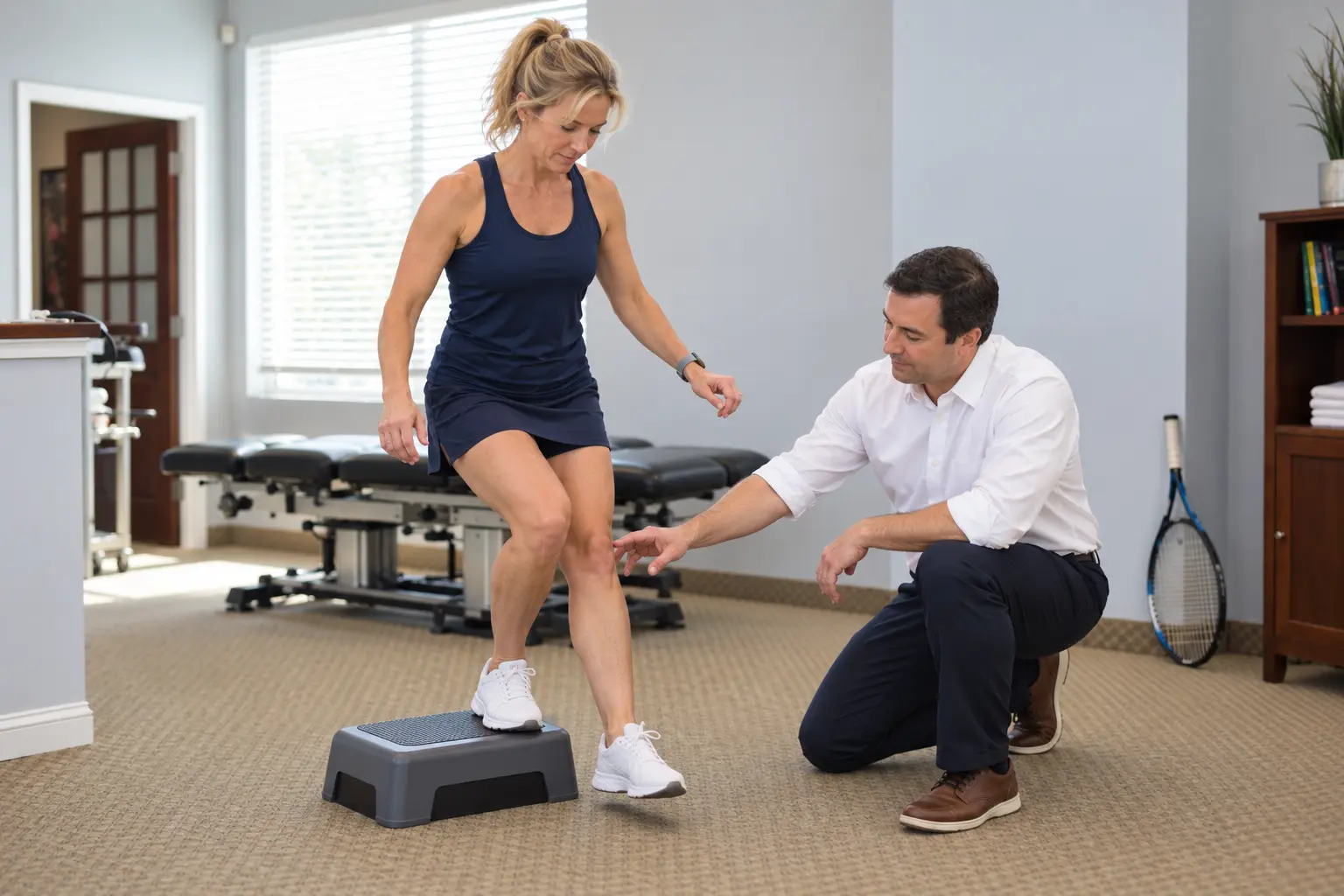
- Favoring one leg when walking
Over time, these imbalances can contribute to chronic spinal stress and posture-related pain. Many patients in Raleigh seek care for bad posture relief when compensation patterns begin affecting daily comfort.
3. Limited Range of Motion
Another sign of compensation is reduced mobility in a joint or region of the body.
You may notice:
- Difficulty turning your head
- Tightness when bending or twisting
- Restricted movement during exercise
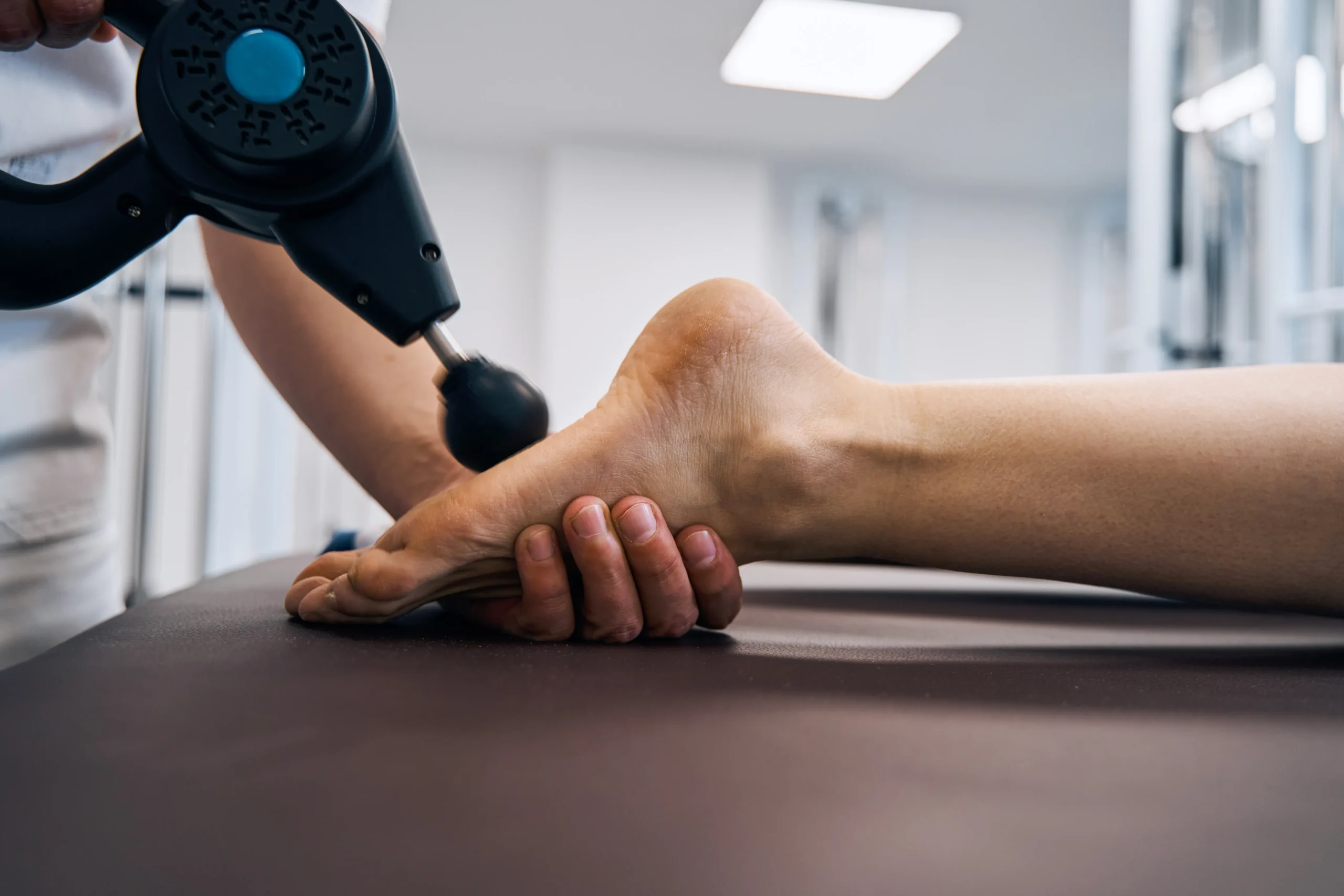
This often occurs because surrounding muscles tighten to protect an injured area. Therapies like soft tissue release can help restore flexibility while addressing underlying dysfunction.
4. Chronic Muscle Tightness or Tension
Muscles that are constantly working to compensate often become tight, fatigued, and overactive.
Common areas include:
- Neck and shoulders
- Lower back
- Hips and hamstrings
This type of tension doesn’t always resolve with stretching alone because the root cause is structural imbalance. Combining muscle-focused therapies with alignment-based care — such as K-Laser therapy or shockwave therapy — can help reduce inflammation and improve recovery.
5. Pain That Returns After Temporary Relief
If your pain improves temporarily but keeps coming back, compensation may be the reason.
Many patients experience:
- Relief after rest or massage
- Pain returning during activity
- Repeated flare-ups in the same area
This cycle often indicates that the underlying issue hasn’t been corrected. For example, unresolved spinal stress may require more advanced care like spinal decompression therapy or structured treatment for back pain relief.
6. Altered Movement Patterns During Activity
Compensation often shows up during movement — especially in athletes or active individuals.
You might notice:
- Limping or favoring one side
- Reduced strength or stability
- Changes in running or lifting form
These patterns increase the risk of further injury. That’s why many patients recovering from old injuries benefit from sports injury treatment or ongoing sports rehabilitation to retrain proper movement mechanics.
7. Lingering Symptoms After an Accident or Injury
Even minor injuries can lead to long-term compensation if not properly treated.
This is especially common with:
- Car accidents
- Whiplash injuries
- Sports impacts
Many patients don’t realize that symptoms can appear days or even weeks later. If you’ve experienced trauma in the past, it’s important to consider whether your current discomfort may be related.
Structured care for auto accident injuries can help identify hidden dysfunction and prevent long-term complications.
Why Compensation Leads to Chronic Pain
The body is incredibly adaptable — but not always in a good way.
When compensation patterns persist, they can:
- Increase stress on joints and discs
- Create muscle imbalances
- Limit mobility and flexibility
- Contribute to inflammation and nerve irritation
Over time, these changes can lead to conditions like chronic back pain, neck stiffness, or sciatica. Patients experiencing these issues often benefit from targeted care such as neck pain relief or sciatica pain relief to address both symptoms and root causes.
How Chiropractic Care Helps Correct Compensation Patterns
Correcting compensation requires more than symptom relief — it requires restoring proper biomechanics.
At Team Chiropractic & Sports Medicine, care is focused on:
- Realigning joints and improving mobility
- Reducing nerve irritation
- Releasing tight or overactive muscles
- Rebuilding balanced movement patterns
This often involves a combination of:
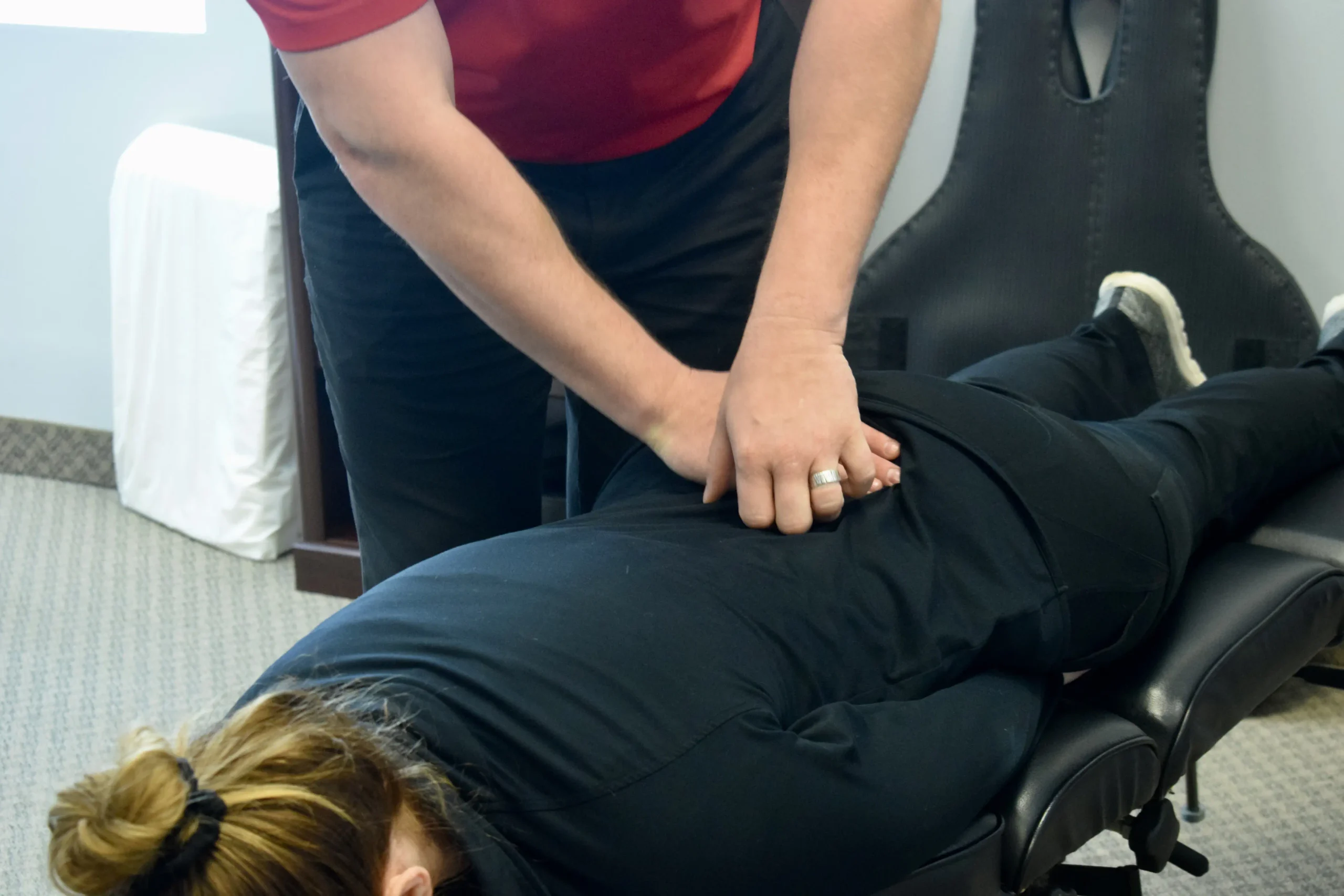
- chiropractic adjustments
- soft tissue release therapy
- spinal re-engineering
- Rehabilitation and corrective exercises
By addressing both the original injury and the compensation patterns that developed afterward, patients can achieve more complete and lasting recovery.
When Should You Get Evaluated?
If you suspect your body is compensating for an old injury, it’s important to seek care before the problem worsens.
You should consider an evaluation if you:
- Have recurring or shifting pain
- Notice uneven posture or movement
- Experience chronic stiffness or tension
- Feel like your body isn’t moving normally
- Have a history of injury that was never fully treated
Early intervention can help prevent long-term complications and restore proper function. Patients can start by visiting the Raleigh chiropractic office or the Wake Forest location to learn more about available care options.
Final Thoughts
Old injuries don’t always stay in the past — they often leave behind patterns that affect how your body moves and functions every day.
Recognizing the signs of compensation is the first step toward correcting them. Whether your symptoms stem from a past accident, sports injury, or chronic strain, addressing the root cause can help you move better, feel better, and avoid future problems.
For patients in Raleigh and Wake Forest, Team Chiropractic & Sports Medicine provides comprehensive, non-surgical care designed to correct dysfunction, improve mobility, and support long-term health. If you’re ready to take the next step, you can schedule an appointment or contact the team directly.