
Chiropractic Adjustments in Raleigh & Wake Forest, NC
Team Chiropractic provides individualized chiropractic adjustments based on your symptoms, health history, examination findings, and goals. Visit our Raleigh or Wakefield office for an evaluation and clear explanation of your care options.
Get in Touch
What Is a Chiropractic Adjustment?
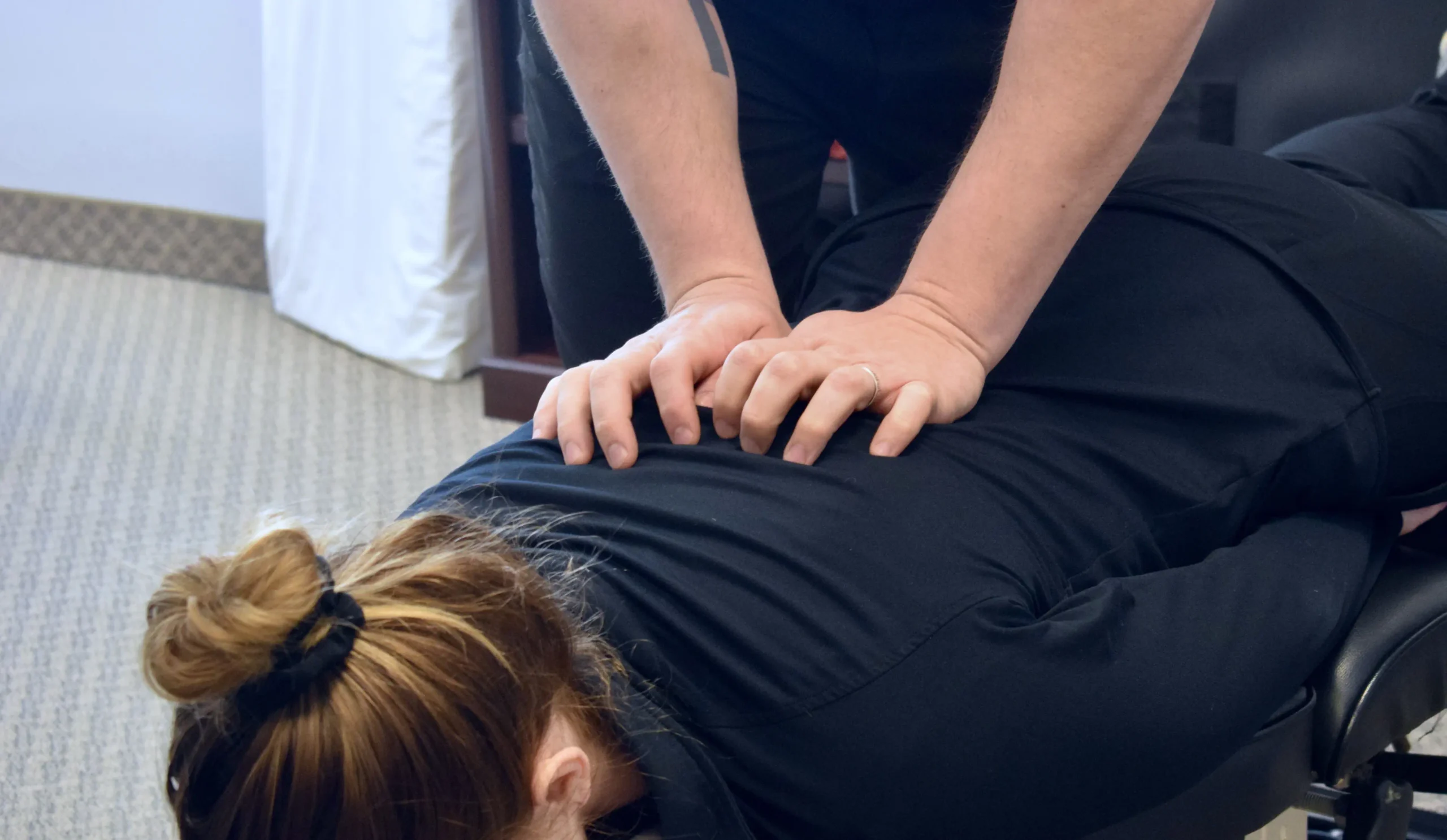
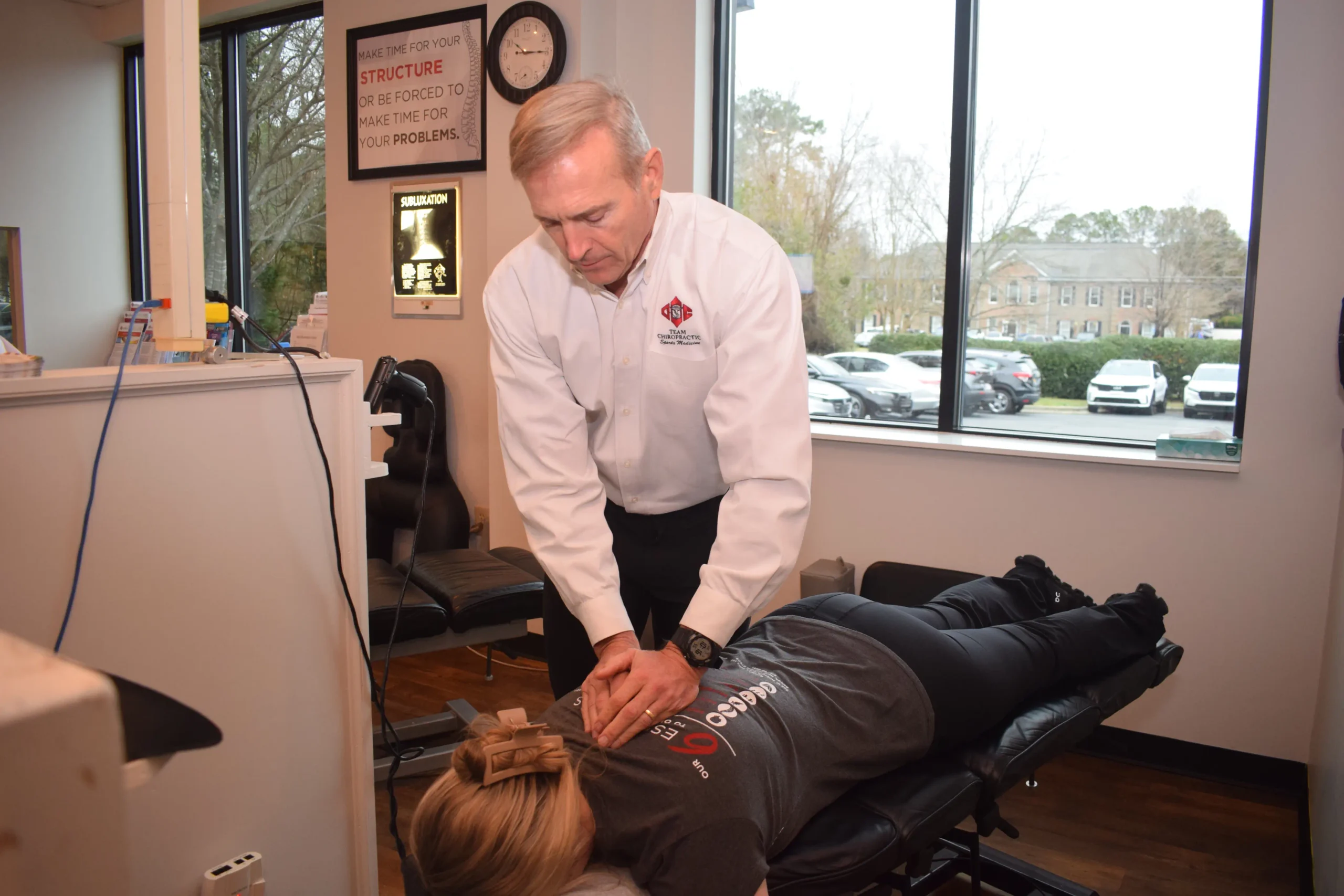
A chiropractic adjustment is a controlled movement applied to a specific joint in the spine or another part of the body. Depending on the patient and technique, the movement may be quick and precise or slower and gentler.
Adjustments may be used to address restricted joint movement and support mobility as part of a broader care plan. Important things to understand include:
- Adjustments are targeted. Your chiropractor evaluates which joints appear restricted or connected to your symptoms before recommending treatment.
- Force can be adapted. The technique, positioning, and amount of force should reflect your age, health history, comfort, and examination findings.
- Treatment is not identical for everyone. Two people with discomfort in the same area may require different approaches.
- A joint does not need to make a sound. An audible pop is not required for an adjustment to be useful.
- Adjustments are not a cure for every health condition. They are primarily used as part of care for selected musculoskeletal concerns involving joints, movement, and function.
- Evaluation comes first. Your chiropractor should determine whether an adjustment is appropriate before treatment begins.
An adjustment should not be described as forcing a bone permanently “back into place.” The purpose is to apply controlled movement to a joint based on the patient’s individual findings.
Why People Seek Chiropractic Adjustments
People visit a chiropractor for many reasons, ranging from a recent injury to discomfort that repeatedly returns. Some are seeking help with pain, while others are concerned about stiffness, limited movement, or their ability to remain active.
- Back or neck pain: Discomfort may interfere with work, exercise, sleep, driving, or everyday movement.
- Joint stiffness: A particular area may feel restricted, especially after sitting, sleeping, or repeating the same activity.
- Limited range of motion: Turning, bending, reaching, or rotating may feel more difficult than usual.
- Recent injuries: Auto accidents, sports injuries, falls, and lifting incidents may affect joints and surrounding tissues.
- Repetitive strain: Computer work, physical labor, frequent driving, and repetitive exercise can place recurring demands on the body.
- Posture-related discomfort: Prolonged positions may contribute to muscle fatigue and stiffness, although posture is rarely the only factor.
- Recurring symptoms: Discomfort may improve temporarily but return during the same work, exercise, or daily activities.
- Active-lifestyle goals: Athletes and active adults may seek evaluation when restricted movement affects training or participation.
These concerns do not automatically mean that an adjustment is necessary. Team Chiropractic evaluates the possible source of the symptoms before discussing whether chiropractic care or another approach is appropriate.
Areas That May Be Adjusted
Neck and Cervical Spine
Middle and Upper Back
Lower Back and Pelvis
Shoulders, Hips, and Other Extremities
How Chiropractic Adjustments Work
Restricted Movement Is Identified
Your chiropractor evaluates joint motion, surrounding tissues, and relevant movements to determine which areas may need attention.
A Controlled Movement Is Applied
The doctor uses a selected position, direction, and amount of force based on your examination findings and comfort.
The Area Is Reassessed
Movement and symptoms may be checked again to understand how your body responded and whether recommendations should change.
Progress Is Monitored
Future care is adjusted according to your response, functional goals, and whether the original findings are improving.
What Is the Popping Sound During an Adjustment?
The popping or cracking sound that sometimes occurs during an adjustment is generally associated with a change in pressure inside the joint. As the joint moves, gases dissolved within its fluid may form or shift, producing an audible sound.
The sound does not mean that bones were grinding together or that a bone was permanently out of place. It also does not determine whether an adjustment was successful. Some adjustments produce several sounds, while others produce none.
Chiropractors can use techniques involving different amounts of movement and force. If you are uncomfortable with a particular technique or concerned about hearing a popping sound, tell your doctor before treatment begins. Your chiropractor should explain the available options and obtain your agreement before proceeding.
Frequently forcing your own neck or back to crack is not a substitute for an evaluation. If you repeatedly feel the need to manipulate an area because of pain or stiffness, a healthcare provider can help determine why the symptoms keep returning.
How Team Chiropractic Evaluates You
An adjustment should be recommended because of your findings—not simply because you scheduled a chiropractic appointment. Team Chiropractic begins by learning what you are experiencing and determining whether chiropractic care appears appropriate.
Your evaluation may include:
- Health and symptom history: Your doctor will ask when the problem began, what affects it, whether symptoms travel, and which activities have become difficult.
- Previous injuries and care: Auto accidents, sports injuries, surgeries, health conditions, medications, and previous treatment may influence your options.
- Movement assessment: You may be asked to bend, turn, walk, reach, or complete other movements related to your symptoms.
- Joint and soft-tissue checks: Your chiropractor may evaluate joint mobility, muscle tension, tenderness, flexibility, and surrounding tissues.
- Orthopedic or neurological screening: Strength, reflexes, sensation, and other tests may be used when nerve or more complex involvement is suspected.
- Posture and activity patterns: Work demands, exercise, sleep positions, and repetitive activities may provide useful context.
- In-office X-rays when appropriate: Imaging may be recommended when your history and examination indicate that additional structural information would be useful.
- Referral or coordinated care: If your findings suggest that another healthcare provider or form of testing is needed, your chiropractor can explain the appropriate next step.
Not every patient needs every test, and not every patient who completes an evaluation will be advised to receive an adjustment.

What to Expect Before, During, and After an Adjustment
Consultation and Health History
Physical Evaluation
Explanation and Technique Selection
Treatment and Follow-Up Recommendations

Different Patients May Need Different Approaches
There is no single adjustment technique or care schedule that is appropriate for everyone. Your doctor should adapt treatment to your health, examination findings, stage of life, comfort, and goals.
Different considerations may apply to:
- First-time patients: The doctor can explain positioning, sensations, possible sounds, and available techniques before treatment.
- Older adults: Bone health, arthritis, previous surgeries, medications, balance, and other health factors may affect technique selection.
- Athletes and active adults: Care may consider the demands of training, competition, repetitive movement, and returning to activity.
- Patients recovering from an injury: Recent trauma may require additional testing, imaging, activity modification, or medical coordination before treatment.
- Pregnant patients: Positioning and technique should be adapted to the stage of pregnancy, comfort, health history, and clinical needs. Learn more about prenatal chiropractic care.
- Infants and children: Pediatric patients require age-appropriate evaluations, communication with a parent or guardian, and techniques selected specifically for the child. Learn more about Team Chiropractic’s pediatric chiropractic services.
- Patients with neurological symptoms: Numbness, tingling, weakness, coordination changes, or radiating pain may require additional screening or referral.
- Patients who prefer lower-force care: Discuss your concerns and preferences so the doctor can explain whether an alternative technique is appropriate.
The presence of pain or stiffness does not automatically make someone a candidate for an adjustment. Evaluation and informed communication remain essential.
Services That May Be Combined With Adjustments
Soft Tissue Release
Soft tissue release uses targeted manual techniques to address muscular tension and restricted movement. It may complement adjustments when surrounding muscles or connective tissues appear to be contributing to discomfort.
Spinal Decompression Therapy
Spinal decompression uses controlled traction intended to change pressure on selected spinal structures. It may be considered for certain disc-related or radiating symptoms when the patient’s findings make it appropriate.
K-Laser Therapy
K-Laser therapy uses therapeutic light energy as a supportive treatment for selected musculoskeletal concerns. Your chiropractor will determine whether it may appropriately complement another part of your care plan.
Spinal Re-Engineering
Spinal re-engineering is Team Chiropractic’s structured approach to recurring spinal and movement concerns. A plan may combine adjustments, supportive services, individualized recommendations, and scheduled progress evaluations.
What You May Notice After an Adjustment
People respond differently following a chiropractic adjustment. Some notice a temporary change in mobility or muscle tension, while others may not feel an immediate difference.
Mild soreness, stiffness, discomfort, or a headache can sometimes occur after spinal manipulation. These effects are typically temporary, but your doctor should explain what is reasonably expected based on the area and technique used.
Follow the specific guidance provided for your situation. That may involve returning to normal activity, temporarily modifying a particular movement, completing prescribed exercises, or monitoring how your symptoms respond during work, sleep, or exercise.
Contact the office if you experience symptoms that are unexpected, severe, or worsening. New weakness, loss of coordination, difficulty walking, bowel or bladder changes, chest pain, difficulty speaking, facial drooping, or a sudden severe headache requires urgent medical attention rather than waiting for a routine follow-up.
How Often Should You Receive Chiropractic Adjustments?
There is no universal adjustment schedule. The appropriate frequency depends on why you are seeking care, how long symptoms have been present, your examination findings, overall health, functional goals, and response to treatment.
A recent injury may require a different plan than recurring stiffness or a long-standing mobility concern. Some patients may receive a short course of care followed by reassessment, while others may choose periodic care based on their goals and the doctor’s recommendations.
Your chiropractor should explain:
- Why a particular frequency is being recommended
- What changes will be used to measure progress
- When your condition will be formally reassessed
- Whether the care plan will change as symptoms improve
- Which services and costs are included
- When referral or additional evaluation may be appropriate
Care should not continue indefinitely without reviewing whether it is helping you meet clearly defined goals. You should also feel comfortable asking questions or discussing changes to the recommended plan.
Conditions That May Involve Chiropractic Adjustments
Back Pain
Back pain may be associated with joint restrictions, muscle tension, disc concerns, repetitive movement, or an injury. An evaluation helps determine whether adjustments or other conservative services may be appropriate.
Neck Pain
Neck pain may involve stiffness, restricted motion, muscle tension, injury, or symptoms that travel into the shoulder or arm. Neck adjustments require appropriate screening and individualized technique selection.
Sciatica
Sciatica describes symptoms associated with irritation of the sciatic nerve. Because leg pain, tingling, or numbness can have different causes, care should be based on the patient’s examination findings.
Migraines and Headaches
Some headaches occur alongside neck tension or restricted cervical movement, while migraines may involve broader neurological factors. Team Chiropractic evaluates whether musculoskeletal findings appear connected to the patient’s headache pattern.
Joint Pain
Shoulder, hip, knee, and other joint concerns may affect mobility and everyday activity. Evaluation may include the involved joint, surrounding tissues, related movement patterns, and other areas contributing to the symptoms.
Bad Posture and Tech Neck
Prolonged sitting, screen use, and repetitive positions may contribute to stiffness or muscle fatigue. Care may combine joint-focused treatment with practical movement and workstation recommendations.
Auto Accident Injuries
Collisions may affect joints, muscles, ligaments, and other tissues even when symptoms are delayed. The nature of the accident and severity of the symptoms help determine whether imaging or medical evaluation should occur before treatment.
Sports Injuries
Sports injuries may involve joint restrictions, soft-tissue irritation, overuse, or reduced mobility. Recommendations should consider the type of injury, sport, training demands, and readiness to return to activity.
Why Choose Team Chiropractic?
Experienced Doctors
Our Doctors of Chiropractic bring backgrounds involving sports medicine, exercise science, extremity care, acupuncture, and injury-related care.
Care Based on Your Findings
Adjustment techniques and recommendations are selected according to your examination, health history, comfort, and goals.
Multiple Care Options
When appropriate, adjustments may be combined with soft tissue work, decompression, exercises, or other available supportive services.
Two Convenient Offices
Visit our Raleigh office on West Millbrook Road or our Wakefield office near Wake Forest.

Schedule Today!
Tuesday: 7:30AM–12PM & 3PM–6PM
Wednesday: 7:30AM–12PM
Thursday: 7:30–12PM & 3PM–6PM
Friday: 7:30AM–12PM
Saturday & Sunday: Closed
What is a chiropractic adjustment?
A chiropractic adjustment is a controlled movement applied to a selected joint in the spine or another area of the body. The technique, amount of force, and positioning should be based on the patient’s evaluation, health history, and comfort.
Are chiropractic adjustments the same as spinal manipulation?
The terms are often used interchangeably when describing controlled movements applied to spinal joints. However, chiropractic care may also include mobilization, extremity adjustments, soft tissue techniques, exercises, and other recommendations.
Do chiropractic adjustments hurt?
Adjustments are often well tolerated, but experiences vary according to the area being treated, technique, injury, and individual sensitivity. Tell your doctor if a position or movement feels uncomfortable so the approach can be modified or stopped.
Is the popping sound required for an adjustment to work?
No. The sound is generally related to a pressure change within the joint and does not determine whether the treatment was effective. Some adjustment techniques produce little or no sound.
Are chiropractic adjustments safe?
Spinal manipulation is generally considered safe when performed by a trained, licensed professional following an appropriate evaluation. Temporary soreness or stiffness can occur, and serious complications have been reported but are rare. Patients should share their complete health history and discuss the potential benefits, risks, and alternatives before treatment.
Does everyone need X-rays before an adjustment?
No. X-rays should be recommended according to symptoms, health history, examination findings, age, recent trauma, and other clinical factors. Team Chiropractic can take in-office X-rays when imaging is appropriate.
Will I be adjusted during my first visit?
An adjustment during the first visit is not guaranteed. Your doctor may recommend an examination, X-rays, additional testing, or a separate findings review before deciding whether treatment should begin.
How many chiropractic adjustments will I need?
There is no standard number that applies to everyone. The recommended frequency depends on your condition, symptoms, goals, examination findings, and response to care, and the plan should be reassessed over time.
Is soreness normal after an adjustment?
Temporary soreness, stiffness, discomfort, or headache can occur after spinal manipulation. Contact the office if symptoms are severe, unexpected, worsening, or do not resolve as anticipated.
Can a chiropractor adjust joints outside the spine?
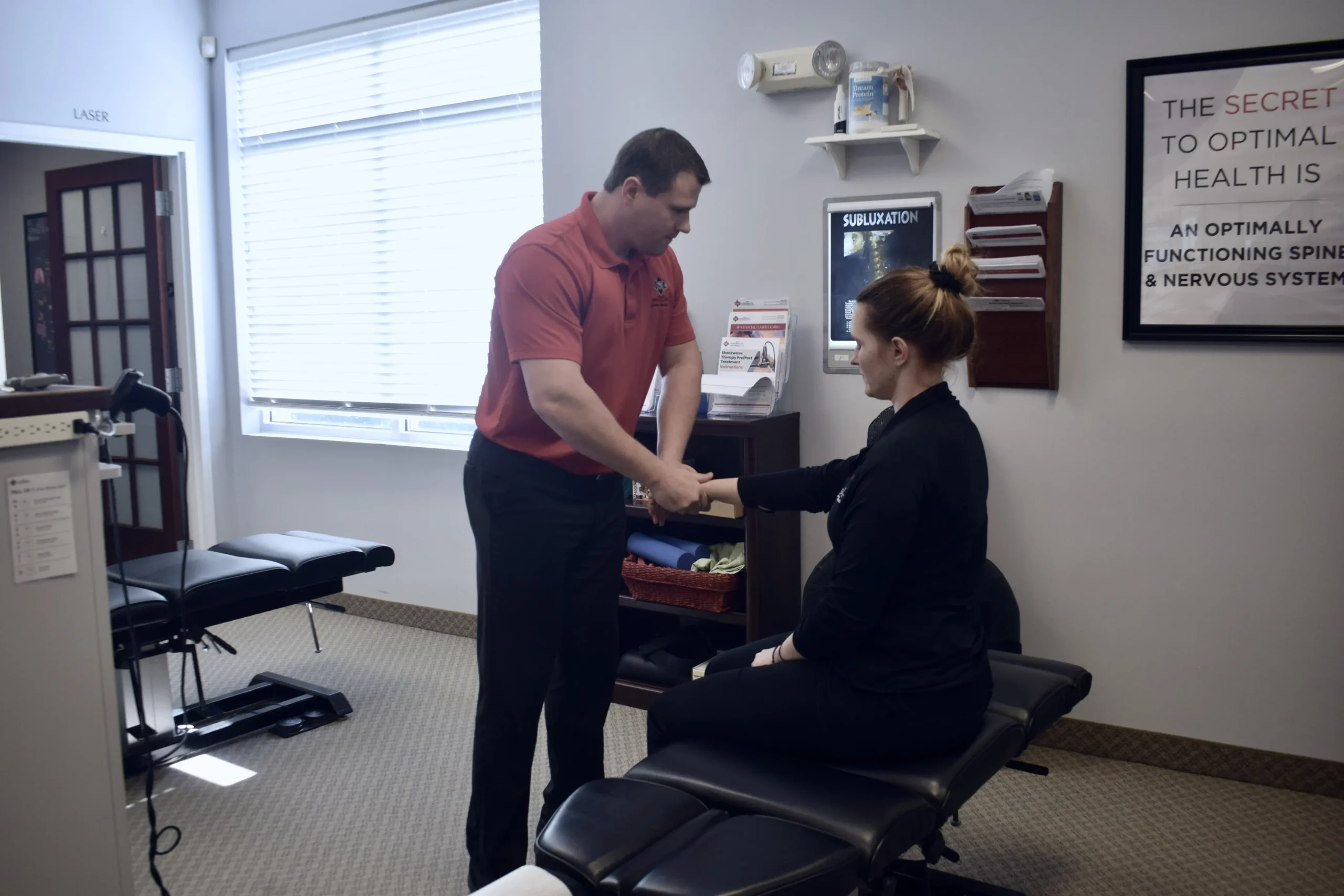
Depending on the chiropractor’s training and the patient’s findings, adjustments may be performed on selected extremity joints such as the shoulders, wrists, hips, knees, ankles, or feet.
Can pregnant patients receive chiropractic adjustments?
Some pregnant patients receive chiropractic care with positioning and techniques adapted to their stage of pregnancy and clinical needs. Discuss your health history and pregnancy with both your chiropractor and other healthcare providers before beginning care.
Can children receive chiropractic adjustments?
Team Chiropractic offers age-appropriate pediatric evaluations and care. Parents should discuss the child’s symptoms, health history, available evidence, potential risks, and treatment options directly with the chiropractor before deciding whether care is appropriate.