Pain can feel similar on the surface — aching, sharp, tight, or even radiating — but not all pain is the same. One of the most important distinctions patients in Raleigh and Wake Forest need to understand is whether they are dealing with nerve pain or muscle pain. Identifying the difference is critical because each type of pain has a completely different cause, treatment approach, and recovery timeline.
At Team Chiropractic & Sports Medicine, many patients come in unsure of what they’re experiencing. They may describe lower back pain, tingling in the legs, or tightness in the shoulders — but without proper evaluation, it’s difficult to determine the true source. Understanding the difference between nerve pain and muscle pain can help you take the right steps toward lasting relief instead of temporary fixes.
What Is Muscle Pain?
Muscle pain, also known as soft tissue pain, typically develops when muscles become strained, overworked, or inflamed. This type of pain is extremely common and is often related to posture, repetitive movement, or physical activity.
Muscle pain is usually described as:
- Aching or sore
- Tight or stiff
- Tender to the touch
- Localized to a specific area
For example, if you wake up with a stiff neck or feel soreness after a workout, you’re most likely experiencing muscle-related discomfort. Many patients dealing with this type of pain benefit from soft tissue release therapy, which targets muscle tension, improves circulation, and restores normal movement.
Muscle pain can also be closely linked to posture issues. Long hours sitting at a desk or looking down at a phone can create chronic tension patterns, which is why many patients also explore care for posture-related pain when symptoms persist.
What Is Nerve Pain?
Nerve pain is very different from muscle pain because it originates from irritation, compression, or damage to a nerve. Instead of staying localized, nerve pain often travels along a pathway — which is why it can feel more intense, unpredictable, and concerning.
Nerve pain is commonly described as:
- Sharp or shooting
- Burning or electric
- Tingling or numbness
- Radiating into arms or legs
One of the most well-known examples is sciatica. Patients experiencing radiating pain down the leg often benefit from evaluation and care focused on sciatica pain relief, which addresses nerve compression in the lower spine.
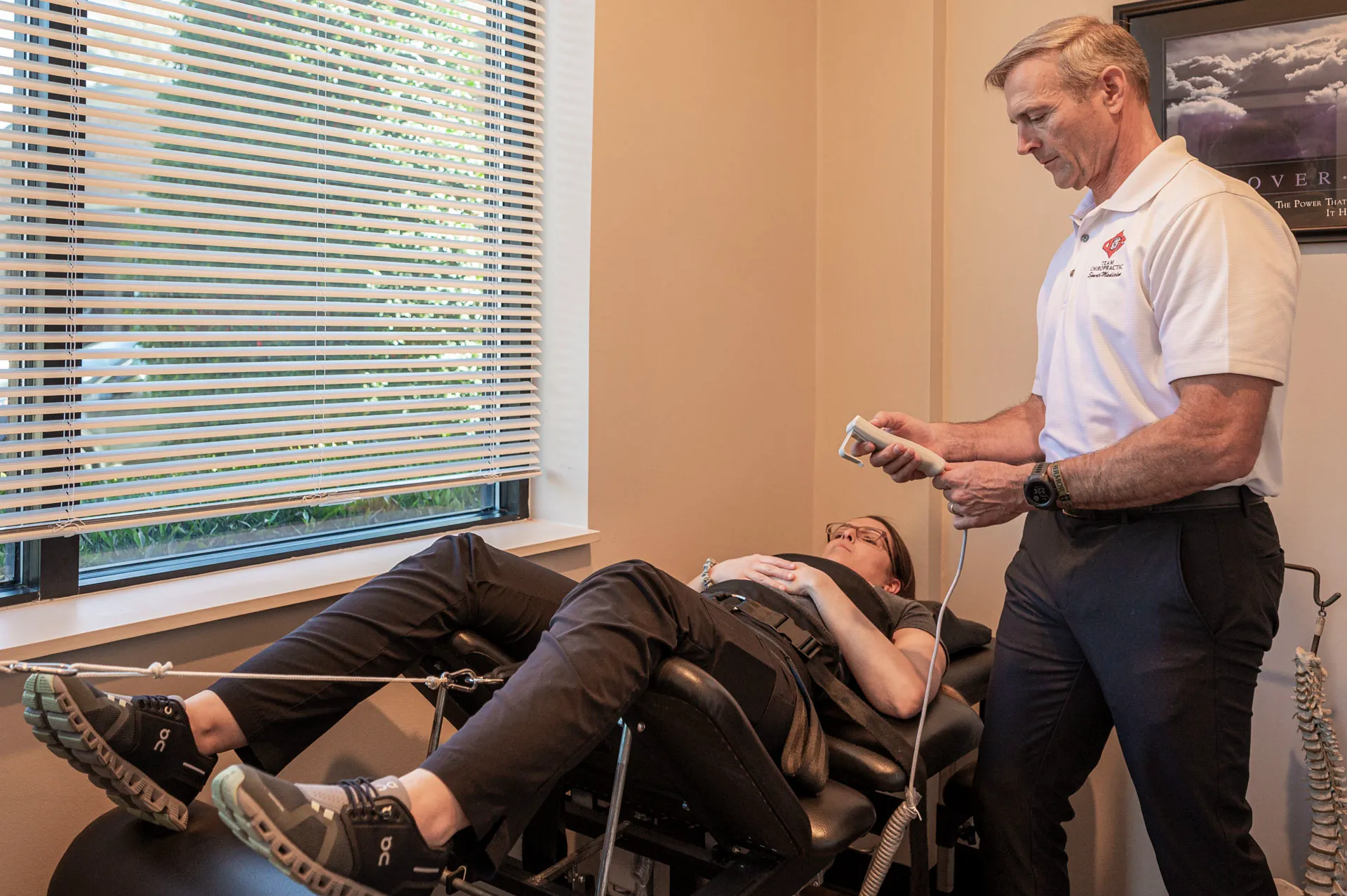
Unlike muscle pain, nerve pain is often tied to structural issues such as disc irritation, joint misalignment, or inflammation around the spine. This is why treatments like spinal decompression therapy or chiropractic adjustments are commonly used to relieve pressure on affected nerves.
Key Differences Between Nerve Pain and Muscle Pain
Understanding how these two types of pain behave can help you identify what you may be experiencing.
1. Location of Pain
Muscle pain is usually localized and stays in one area. Nerve pain often travels or radiates along a specific path.
2. Type of Sensation
Muscle pain feels dull, tight, or sore. Nerve pain feels sharp, burning, or electric.
3. Movement Response
Muscle pain often improves with gentle movement and stretching. Nerve pain may worsen with certain movements, especially bending, twisting, or sitting.
4. Associated Symptoms
Muscle pain rarely causes numbness or tingling. Nerve pain frequently includes these symptoms, along with weakness in some cases.
5. Duration and Pattern
Muscle pain may come and go depending on activity. Nerve pain often persists or progressively worsens without treatment.
Can You Have Both at the Same Time?
Yes — and this is where things can become confusing.
Many patients in Raleigh and Wake Forest experience a combination of both nerve and muscle pain. For example, a spinal issue may irritate a nerve while also causing surrounding muscles to tighten and compensate. This creates a cycle where pain continues even if only one component is treated.
This is why a comprehensive approach is important. At Team Chiropractic & Sports Medicine, treatment often combines therapies such as:
- soft tissue therapy for muscle tension
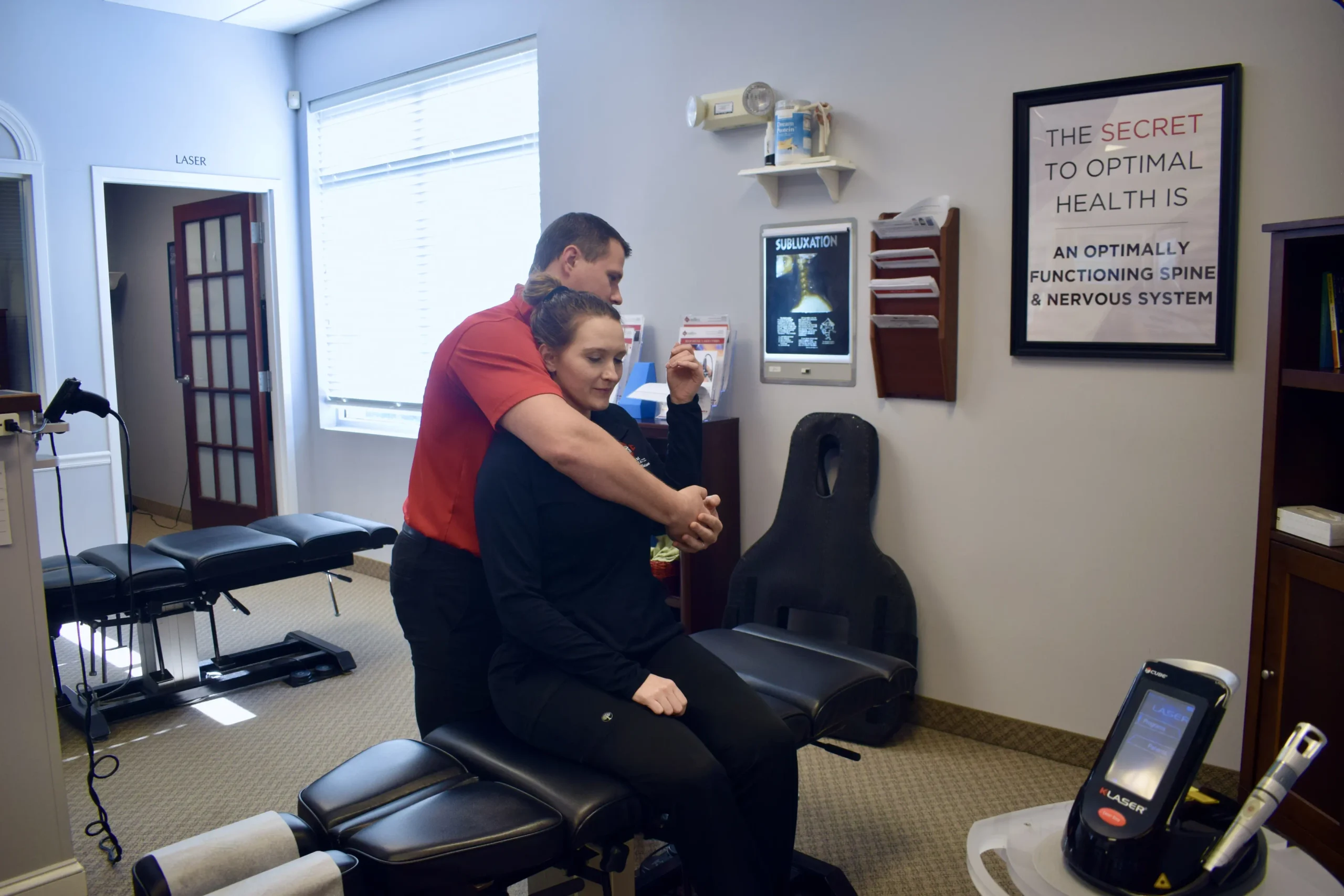
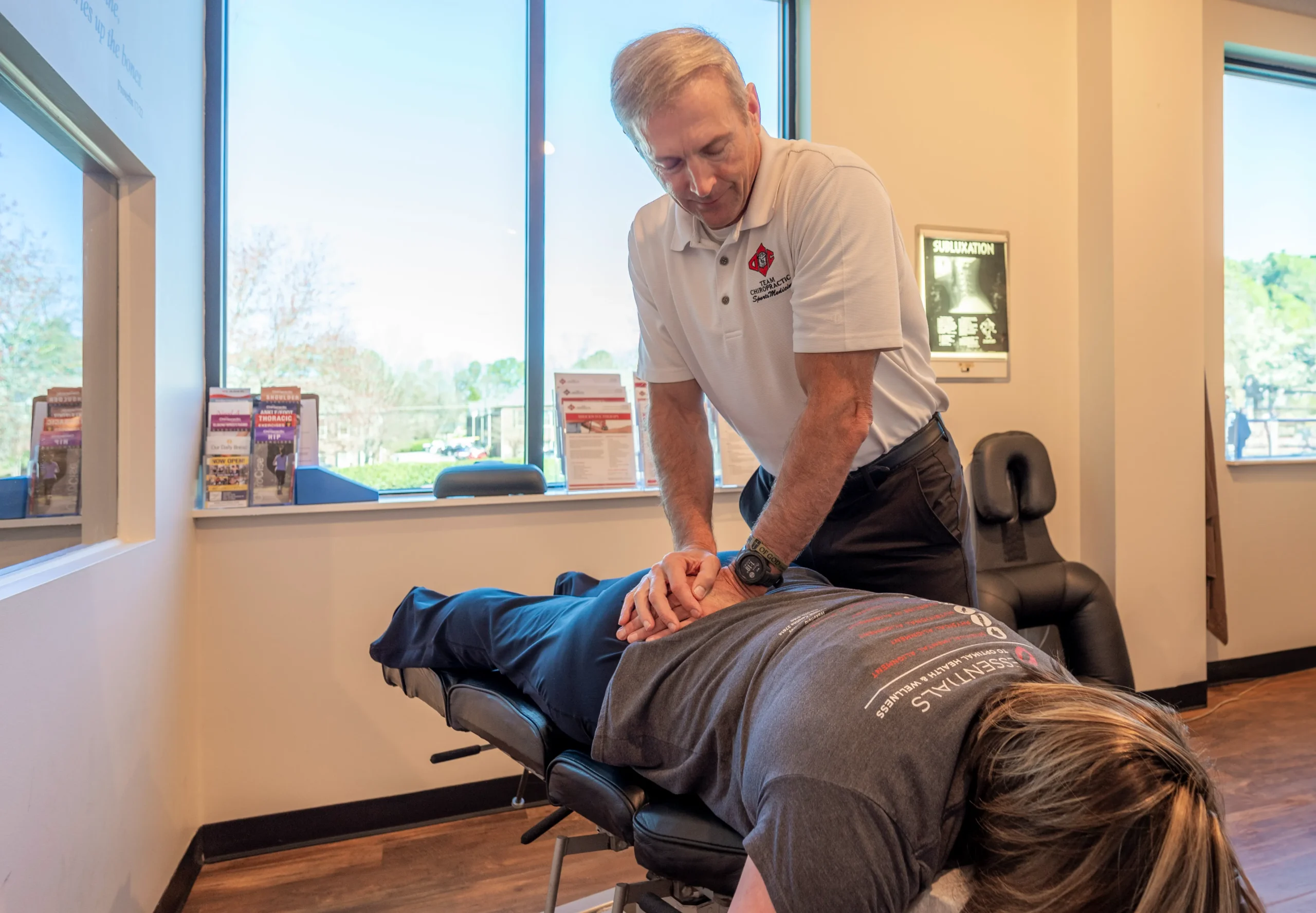
- chiropractic adjustments for joint alignment
- K-Laser therapy to reduce inflammation
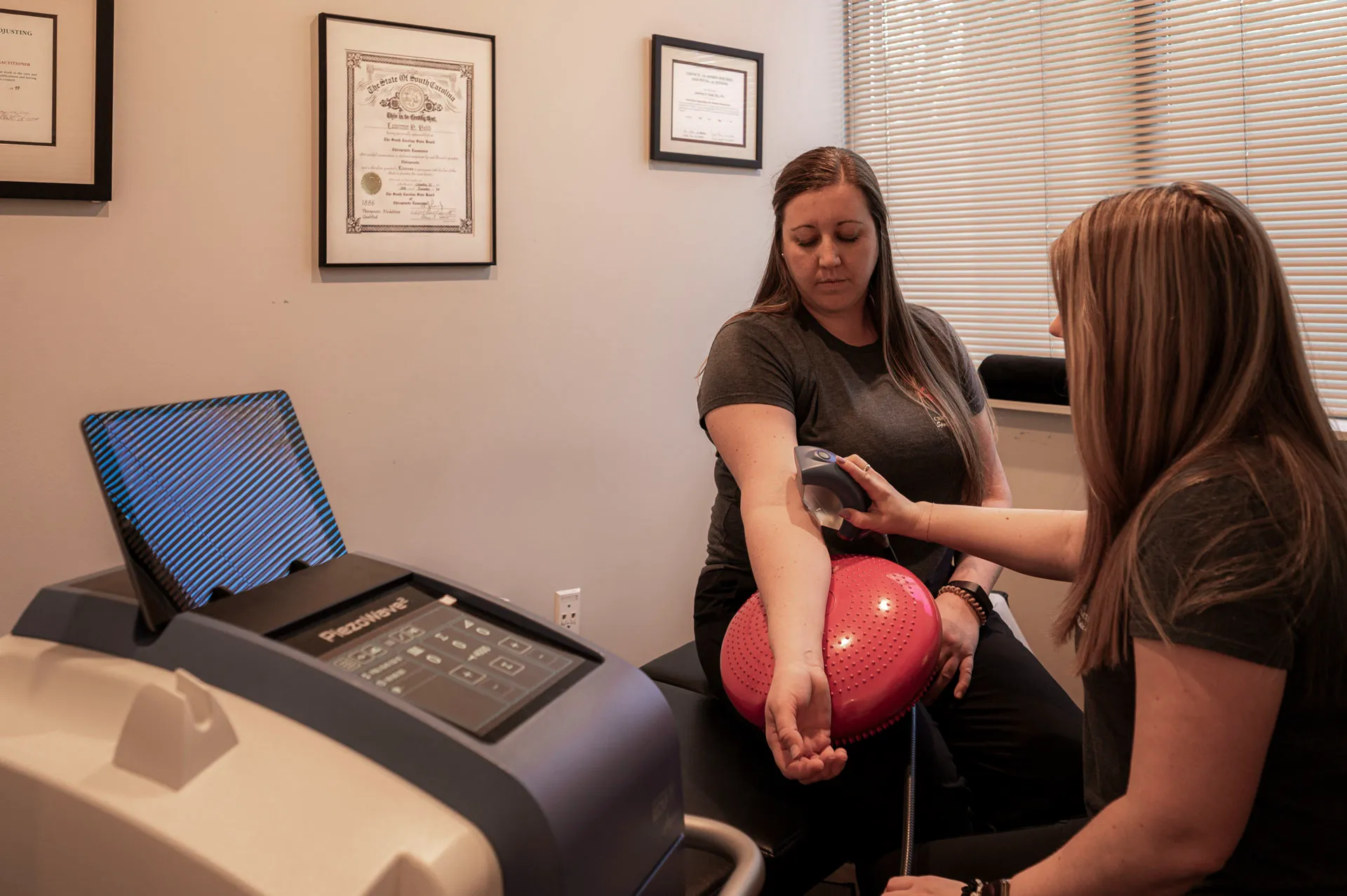
- shockwave therapy for chronic tissue issues
This integrated approach ensures both the muscular and neurological components of pain are addressed together.
Common Conditions Linked to Each Type of Pain
Muscle Pain Conditions
- Muscle strain or overuse
- Posture-related tension
- Shoulder and neck tightness
- Sports-related soreness
- Chronic muscle stiffness
These are often treated through therapies like muscle pain relief care and targeted rehabilitation.
Nerve Pain Conditions
- Sciatica
- Herniated or bulging discs
- Nerve compression syndromes
- Radiating arm or leg pain
- Chronic lower back or neck issues
Patients dealing with these symptoms often require more structured care focused on spinal alignment and nerve decompression, such as treatment for back pain relief or neck pain relief.
When Should You Seek Professional Evaluation?
It’s important to seek care if your pain:
- Radiates into the arms or legs
- Includes numbness or tingling
- Persists longer than a few days
- Worsens with movement or sitting
- Interferes with sleep or daily activity
Waiting too long can allow minor issues to develop into chronic conditions. Early evaluation helps determine whether your symptoms are muscular, neurological, or a combination of both — allowing for a more effective treatment plan.
Why Proper Diagnosis Matters
Treating nerve pain like muscle pain — or vice versa — often leads to frustration. Stretching alone won’t resolve nerve compression, and spinal correction alone may not fully relieve chronic muscle tension.
At Team Chiropractic & Sports Medicine, every patient begins with a thorough evaluation to determine the exact cause of pain. By identifying whether the issue is nerve-related, muscle-related, or both, care can be tailored to restore proper function and prevent recurrence.
For residents of Raleigh and Wake Forest searching for answers, understanding the difference between nerve pain and muscle pain is the first step toward real, lasting relief.
Final Thoughts
Pain is your body’s way of signaling that something isn’t functioning properly. Whether it’s muscle tension from poor posture or nerve irritation from spinal stress, identifying the source is key to recovery.
If you’ve been dealing with ongoing discomfort and aren’t sure what type of pain you’re experiencing, the best next step is a professional evaluation. With the right approach, it’s possible to reduce pain, restore movement, and get back to living without limitations.