Lower back pain is one of the most common reasons adults seek care in Raleigh and Wake Forest. For many people, the frustration isn’t just the pain itself — it’s the pattern. The discomfort improves for a few days or weeks, then suddenly returns. If you’re wondering why your lower back pain keeps coming back, the answer usually has less to do with “bad luck” and more to do with underlying structural and mechanical issues that haven’t been fully addressed.
Understanding what recurring lower back pain actually means is the first step toward finding long-term relief instead of temporary fixes.
Lower Back Pain Often Has a Mechanical Cause
Most chronic or recurring lower back pain is mechanical in nature. That means it’s related to how your spine, joints, discs, and surrounding muscles move and function together.
When spinal joints become restricted or misaligned, the body compensates. Muscles tighten to stabilize the area. Discs absorb uneven pressure. Over time, this imbalance increases stress on the lumbar spine. Even if inflammation temporarily decreases, the underlying dysfunction remains — which is why the pain returns.
Many patients searching for lasting solutions eventually explore structured care like chiropractor for back pain relief in Raleigh, NC to correct the root mechanical issue rather than repeatedly treating symptoms.
Common Reasons Lower Back Pain Keeps Returning
Recurring lower back pain usually falls into one (or more) of the following categories:
1. Disc-Related Stress
Bulging or herniated discs can create intermittent flare-ups. Certain movements, prolonged sitting, or lifting may re-irritate the same tissue repeatedly.
2. Poor Posture and Prolonged Sitting
Raleigh professionals who sit for long hours often develop muscular imbalances and spinal compression that never fully resolve without corrective care.
3. Incomplete Healing After Injury
If an old sports injury, car accident, or lifting incident wasn’t fully rehabilitated, the area may remain vulnerable to flare-ups.
4. Core Weakness and Instability
Weak stabilizing muscles around the spine allow small joint restrictions to become larger issues over time.
5. Repetitive Strain from Daily Habits
Small, repeated stressors — poor sleep positioning, improper lifting, frequent bending — compound over months or years.
When lower back pain becomes cyclical, it often signals that deeper structural support is needed.
Temporary Relief vs. Long-Term Correction
Many people rely on rest, over-the-counter medication, stretching, or massage during flare-ups. While those approaches may calm inflammation, they don’t typically correct joint restriction or disc compression.
This is where more targeted approaches can make a difference. For patients with disc involvement or nerve pressure, spinal decompression therapy is often considered. Decompression gently reduces pressure on affected discs, improving circulation and supporting tissue recovery.
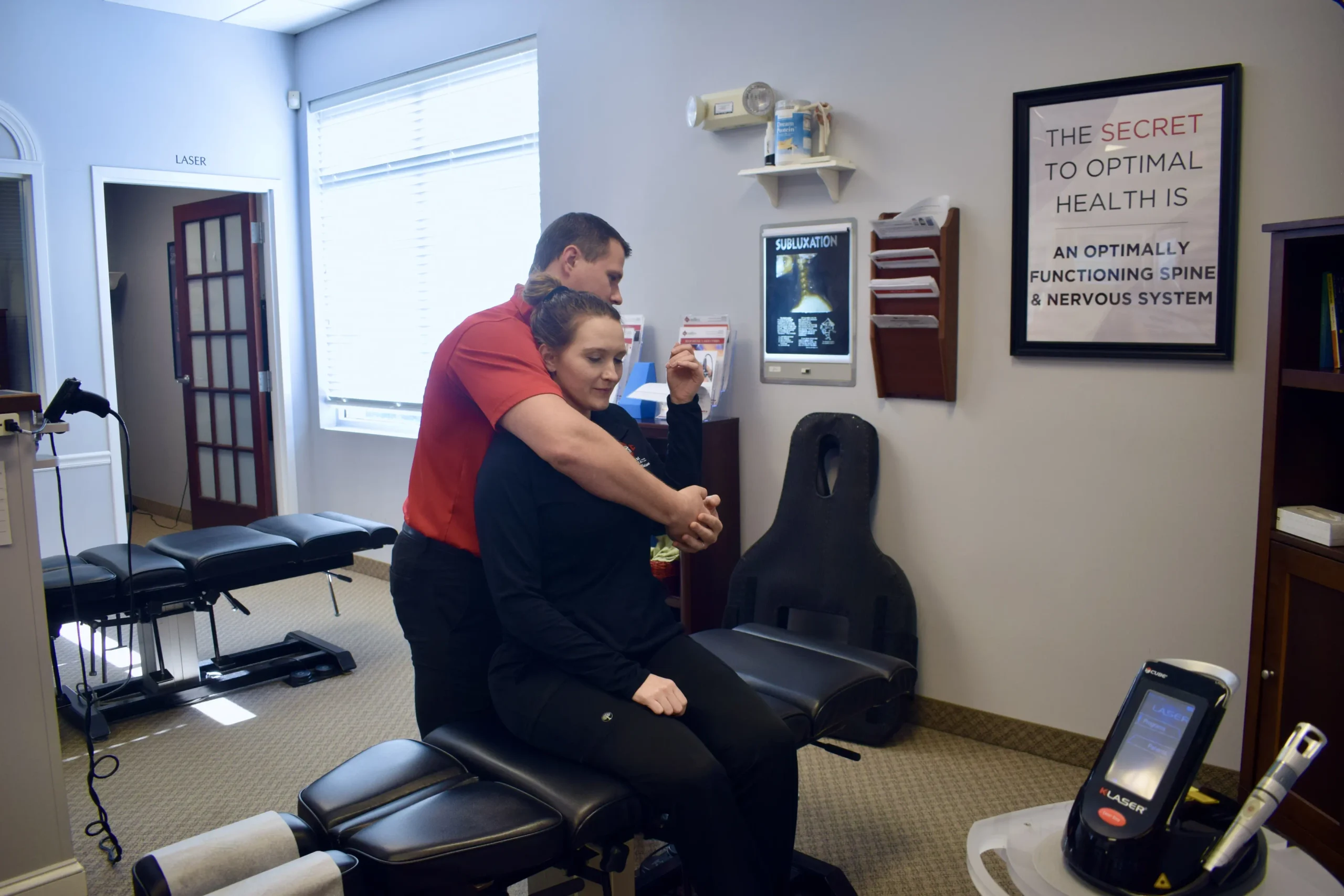
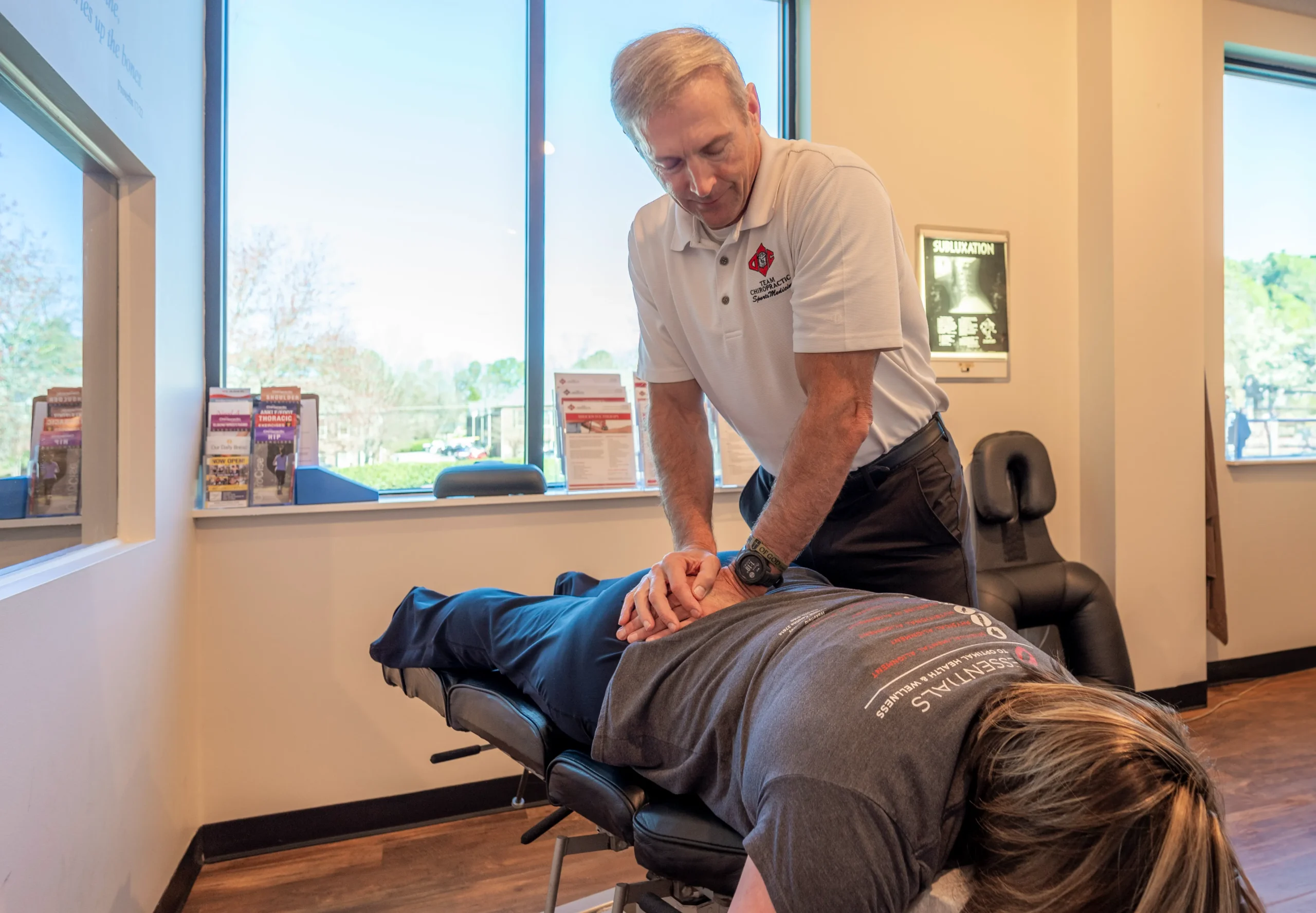
For others, precise adjustments via chiropractic adjustments restore proper joint motion and improve spinal alignment. When the lumbar spine moves correctly, surrounding muscles don’t have to overcompensate — reducing the likelihood of recurring pain.
When Recurring Pain Becomes Chronic
If lower back pain persists beyond 12 weeks or returns multiple times per year, it may fall into the category of chronic lower back pain. Chronic pain doesn’t always mean severe pain — it often means unresolved dysfunction.
Patients experiencing ongoing discomfort frequently benefit from structured care plans like those outlined on the Back Pain Relief page, which focus on restoring mobility, reducing inflammation, and supporting long-term spinal health.
Chronic lower back pain often worsens when combined with:
- Sedentary work habits
- Poor posture
- Disc degeneration
- Untreated nerve irritation
- Stress-related muscle tension
Addressing these contributors early can prevent the cycle from intensifying.
The Disc Connection: A Hidden Driver of Recurrence
One of the most overlooked causes of recurring lower back pain is disc pressure. Lumbar discs act as cushions between vertebrae. When they’re stressed repeatedly, they can lose hydration and height, increasing sensitivity to movement.
This doesn’t always produce constant pain. Instead, it may create periodic flare-ups — especially after sitting too long, traveling, or lifting.
For individuals with confirmed disc involvement, spinal decompression therapy is often used alongside corrective chiropractic care to reduce disc stress and promote healing without surgery.
Nerve Irritation and Sciatica
If recurring lower back pain is accompanied by leg pain, tingling, or numbness, sciatic nerve involvement may be present. In these cases, pressure on a lumbar nerve root can trigger symptoms that extend beyond the lower back.
The Sciatica Pain Relief in Raleigh, NC page outlines how nerve-related pain differs from general muscular strain. Addressing nerve irritation early can prevent progression into more severe symptoms.
Why “Waiting It Out” Rarely Works
Many Raleigh residents delay care, assuming the pain will eventually resolve permanently. While acute inflammation may calm down, untreated mechanical issues rarely correct themselves.
Recurring lower back pain often becomes:
- More frequent
- Longer-lasting
- More intense
- Harder to relieve
By the time symptoms interfere with sleep, exercise, or work productivity, the underlying dysfunction may have progressed.
Proactive care focuses on restoring normal motion and reducing stress before the problem escalates.
A Structured Approach to Preventing Flare-Ups
Long-term relief usually requires more than one isolated visit. It involves:
- Restoring lumbar mobility
- Correcting spinal alignment
- Reducing disc pressure when necessary
- Improving muscular balance
- Supporting ergonomic improvements
Many patients combine spinal care with targeted therapies such as soft tissue release to address muscle adhesions that contribute to recurring tension.
The goal isn’t just to eliminate pain — it’s to improve spinal resilience so daily stressors no longer trigger flare-ups.
What Recurring Lower Back Pain Is Telling You
When your lower back pain keeps coming back, your body is signaling that something hasn’t fully healed or stabilized. It may mean:
- A disc is under repeated pressure
- A joint is restricted
- A muscle imbalance persists
- A nerve remains irritated
- Posture or movement habits are reinforcing strain
Rather than masking symptoms, identifying and correcting these contributors provides a clearer path toward sustainable relief.
Lower Back Pain in Raleigh & Wake Forest: Why Local Care Matters
Busy professionals, athletes, parents, and commuters in Raleigh and Wake Forest often place consistent stress on their lower backs. Long commutes, desk work, athletic training, and lifting children all compound lumbar strain.
Access to structured, conservative care through services like spinal decompression therapy and chiropractic adjustments allows patients to address recurring issues before they require more invasive interventions.
When lower back pain is treated proactively, patients often experience:
- Fewer flare-ups
- Improved mobility
- Reduced nerve irritation
- Better tolerance to daily activity
The Bottom Line
If your lower back pain keeps coming back, it’s rarely random. Recurring pain typically reflects unresolved mechanical stress within the lumbar spine. While rest and temporary measures may help short term, lasting improvement usually requires correcting the underlying dysfunction.
By addressing disc pressure, joint restriction, muscle imbalance, and nerve irritation, many patients in Raleigh and Wake Forest move from temporary relief toward long-term stability. Understanding what recurring pain actually means empowers you to make informed decisions about your spinal health — and to break the cycle for good.