Auto accidents can change how your body feels almost instantly—or slowly over the days and weeks that follow. One of the most common injuries after a rear-end collision, side-impact crash, or sudden stop is whiplash. While many people think of whiplash as “just neck pain,” the reality is that it can affect the muscles, joints, ligaments, nerves, and movement patterns throughout the spine.
For many Raleigh drivers, the biggest mistake after an auto accident is assuming that pain will fade on its own. Some soreness may improve with time, but untreated whiplash can lead to lingering stiffness, headaches, shoulder tension, reduced mobility, and recurring discomfort months after the crash. That is why early evaluation and consistent follow-up care matter.
At Team Chiropractic, we help patients in Raleigh and Wake Forest recover from accident-related pain with personalized chiropractic care focused on alignment, movement, soft tissue function, and long-term stability. If you are dealing with neck pain after a car accident, understanding how whiplash works is the first step toward a safer, stronger recovery.
What Is Whiplash?
Whiplash is a neck injury that happens when the head is forced quickly backward and forward, similar to the cracking motion of a whip. This sudden movement can strain the muscles and ligaments in the neck, irritate spinal joints, and disrupt normal biomechanics.
Although rear-end collisions are a common cause, whiplash can happen in many types of auto accidents. Even low-speed crashes may create enough force to affect the cervical spine, especially when the body is unprepared for impact.
Common whiplash symptoms may include:
Neck pain or stiffness
Reduced range of motion
Headaches, especially near the base of the skull
Shoulder or upper back pain
Muscle tightness or spasms
Tingling or numbness into the arms or hands
Jaw discomfort
Dizziness or fatigue
Pain that worsens with movement or prolonged sitting
Some symptoms appear immediately, while others may take 24 to 72 hours—or longer—to develop. That delayed pain response is one reason many accident injuries go untreated until they become harder to manage.
Why Whiplash Can Become a Long-Term Problem
After a car accident, your body often reacts with inflammation, muscle guarding, and protective tension. This is your body’s way of stabilizing injured areas. However, when that protective response continues for too long, it can create new problems.
Muscles may stay tight. Joints may become restricted. Nerves may become irritated. Your posture may change as your body tries to avoid painful movements. Over time, these compensations can affect not just the neck, but also the shoulders, upper back, mid-back, and even lower back.
For example, someone with whiplash may start holding their head slightly forward to reduce discomfort. That forward head posture can increase strain on the neck and upper back, making headaches and shoulder tension more frequent. What began as an auto accident injury can slowly turn into a recurring pain cycle.
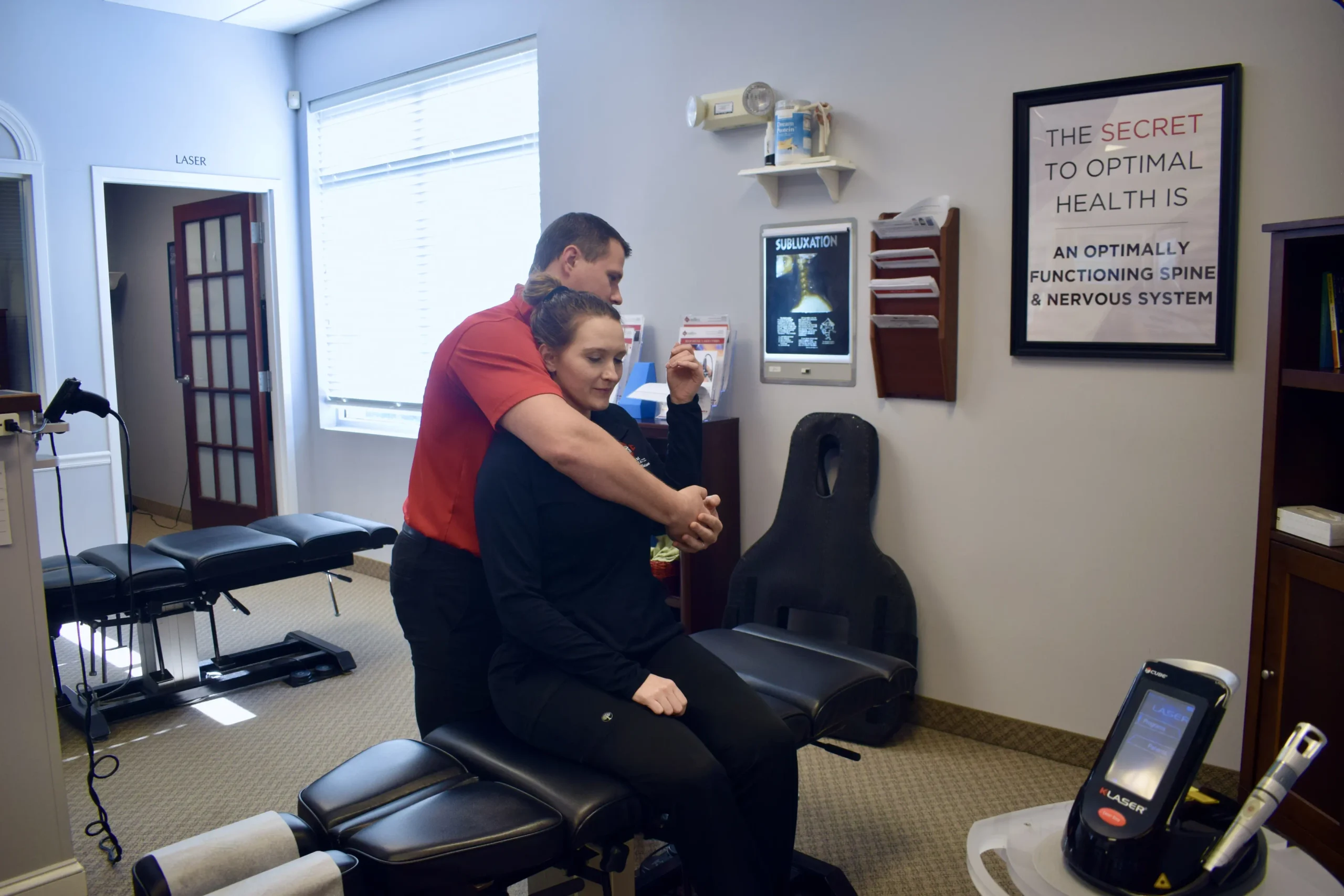
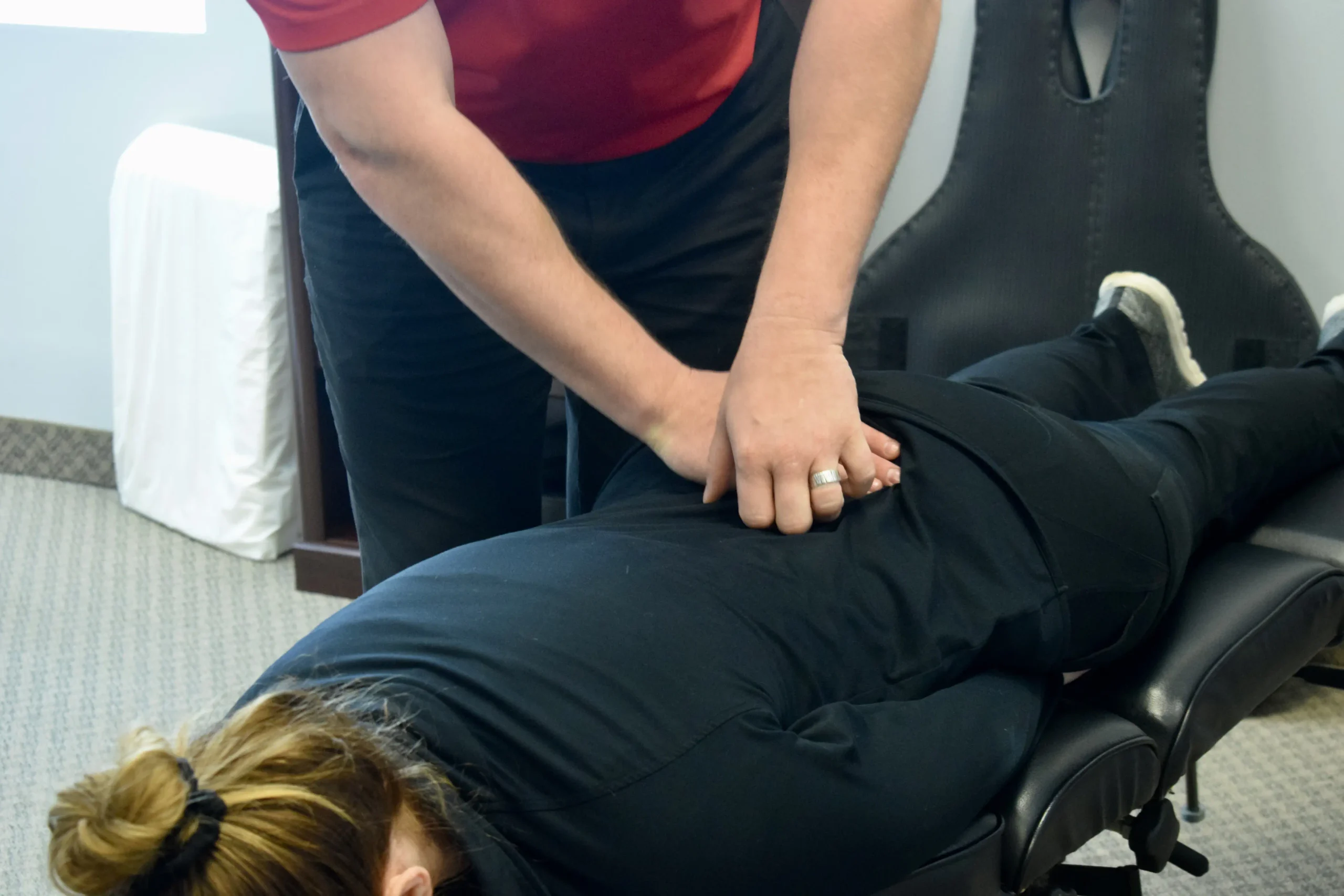
This is where chiropractic adjustments can play an important role. Chiropractic care focuses on restoring proper joint motion, improving spinal alignment, and helping the body move more efficiently after injury.
Why You Should Not Ignore Neck Pain After an Auto Accident
It is common for people to walk away from a crash thinking they are “fine,” especially if there are no broken bones or visible injuries. But soft tissue injuries are different. Ligaments, muscles, discs, and joints can be affected even when imaging does not show a major structural injury.
Ignoring neck pain after an auto accident may allow inflammation, stiffness, and poor movement patterns to persist. The longer the body adapts around pain, the more difficult it can be to restore normal motion.
A chiropractic evaluation can help identify areas of restricted movement, muscle imbalance, postural stress, and accident-related spinal irritation. At Team Chiropractic’s Raleigh office, patients receive personalized care based on their symptoms, health history, mobility, and recovery goals.
How Chiropractic Care Supports Whiplash Recovery
Chiropractic care for whiplash is not a one-size-fits-all approach. The right plan depends on the severity of the accident, the patient’s symptoms, the stage of healing, and whether pain is acute or lingering.
At Team Chiropractic, care may include a combination of chiropractic adjustments, soft tissue support, mobility work, posture guidance, and additional therapies when appropriate. The goal is not simply to reduce pain for a few hours. The goal is to help the spine and surrounding tissues recover in a way that supports lasting function.
Restoring Proper Spinal Motion
Whiplash often causes joint restrictions in the neck and upper back. These restrictions can make it harder to turn your head, check blind spots while driving, look down at a phone, or sit comfortably at a desk.
Chiropractic adjustments are designed to improve joint mobility and reduce mechanical stress. When spinal joints move more properly, surrounding muscles do not have to work as hard to protect the area. This may help decrease tension and improve range of motion over time.
For Raleigh patients recovering from auto accidents, improved mobility is often one of the first signs that the body is beginning to move out of the protective phase and into more functional recovery.
Reducing Muscle Guarding and Tension
After whiplash, the neck and upper back muscles often tighten as a protective response. While this may be helpful immediately after injury, ongoing muscle guarding can contribute to chronic pain, headaches, and stiffness.
Chiropractic care can help address the spinal mechanics that keep muscles tense. When combined with soft tissue strategies, stretching guidance, and corrective movement, patients may experience better flexibility and less recurring tightness.
Team Chiropractic also offers a range of services that may support accident recovery depending on the patient’s needs, including therapies focused on pain relief, mobility, and long-term spinal function.
Helping with Headaches After Whiplash
Headaches are one of the most common complaints after whiplash. These headaches often begin at the base of the skull and may radiate toward the temples, forehead, or behind the eyes.
Accident-related headaches may be connected to cervical joint irritation, muscle tension, nerve sensitivity, or postural strain. Chiropractic care may help by improving neck mechanics, reducing tension in the upper cervical spine, and supporting more balanced movement.
If headaches began after a car accident—or became more frequent after one—it is important to have them evaluated rather than assuming they are unrelated.
Addressing Posture and Daily Movement Habits
Long-term recovery from whiplash involves more than treatment in the office. Your daily habits also matter.
After an auto accident, everyday positions can either support healing or keep the neck irritated. Long periods of looking down at a phone, sitting at a desk, driving with poor head support, or sleeping with the neck unsupported may worsen symptoms.
Team Chiropractic helps patients understand how posture, ergonomics, and movement patterns affect recovery. Small changes—such as adjusting screen height, taking movement breaks, improving pillow support, and avoiding prolonged forward head posture—can make a meaningful difference over time.
Supporting Long-Term Stability After the Pain Improves
One of the most important parts of whiplash treatment is continuing to focus on stability after the sharp pain fades. Pain relief is important, but it is not always the same as full recovery.
A patient may feel better while still having limited range of motion, weak stabilizing muscles, or lingering joint restriction. Without addressing these issues, symptoms may return during stress, exercise, travel, long workdays, or future minor injuries.
That is why Team Chiropractic focuses on long-term spinal function—not just short-term symptom relief. For some patients, this may include corrective strategies, strengthening recommendations, posture work, and ongoing chiropractic care designed to help the spine remain more stable.
When Should You See a Chiropractor After an Auto Accident?
You should consider scheduling an evaluation after an auto accident if you notice neck pain, back pain, headaches, stiffness, shoulder tension, tingling, numbness, or reduced range of motion. You should also pay attention to symptoms that appear days after the crash.
It is especially important to seek prompt medical attention if you experience severe pain, weakness, confusion, vision changes, loss of consciousness, or symptoms that continue to worsen. Chiropractic care is often part of a conservative recovery plan, but serious injuries should always be ruled out when warning signs are present.
For patients with mild to moderate whiplash symptoms, seeing a chiropractor early may help prevent the injury from becoming a long-term problem.
Why Raleigh Patients Choose Team Chiropractic After Auto Accidents
Auto accident recovery can be frustrating. You may be dealing with pain, insurance questions, missed work, difficulty sleeping, or uncertainty about how long healing will take. Having a trusted local chiropractic team can make the process feel more manageable.
Team Chiropractic provides personalized care for patients throughout Raleigh, Wake Forest, and surrounding Triangle communities. With convenient locations, experienced providers, and a focus on identifying the root cause of pain, Team Chiropractic helps patients move better and feel more confident during recovery.
Whether you are struggling with whiplash, neck pain, headaches, back pain, or stiffness after a crash, the team can evaluate your condition and recommend a plan based on your specific needs.
Take the Next Step Toward Whiplash Recovery in Raleigh
Whiplash can affect your comfort, mobility, workday, sleep, and quality of life long after an accident. The sooner you address the injury, the better chance your body has to recover with proper movement and support.
If you were recently involved in a car accident in Raleigh or are still dealing with lingering neck pain from a past crash, Team Chiropractic is here to help. Schedule a visit through the new patient appointment page or learn more about the new patient offer to get started.
Long-term recovery from whiplash begins with understanding what your body needs—and taking the right steps before pain becomes your new normal.