Running is one of the most popular ways to stay active in Raleigh — from greenway miles to neighborhood loops and weekend races. But with that popularity comes a common problem: running-related injuries that could have been prevented.
At Team Chiropractic & Sports Medicine, many runners in Raleigh and Wake Forest don’t come in because they’re new to running — they come in because something started to hurt and didn’t go away.
The truth is, most running injuries aren’t random. They’re usually the result of small mistakes that add up over time.
If you’re dealing with nagging pain, reduced performance, or recurring injuries, here are the most common running mistakes — and how to avoid them.
1. Ignoring Early Warning Signs
One of the biggest mistakes runners make is pushing through pain.
What starts as:
- Mild tightness
- Slight soreness
- Occasional discomfort
…can quickly turn into a more serious issue when ignored.
Many runners assume pain is “normal,” but persistent discomfort is often the body’s way of signaling imbalance or overuse. Conditions like muscle pain or early joint stress can worsen without proper care.
Addressing symptoms early — before they become injuries — is one of the most important steps in staying consistent with your training.
2. Poor Running Form
Running form plays a major role in injury prevention.
Common form mistakes include:
- Overstriding
- Heel striking too aggressively
- Excessive upper body tension
- Uneven stride patterns
These issues increase stress on the joints and muscles, especially the knees, hips, and lower back.
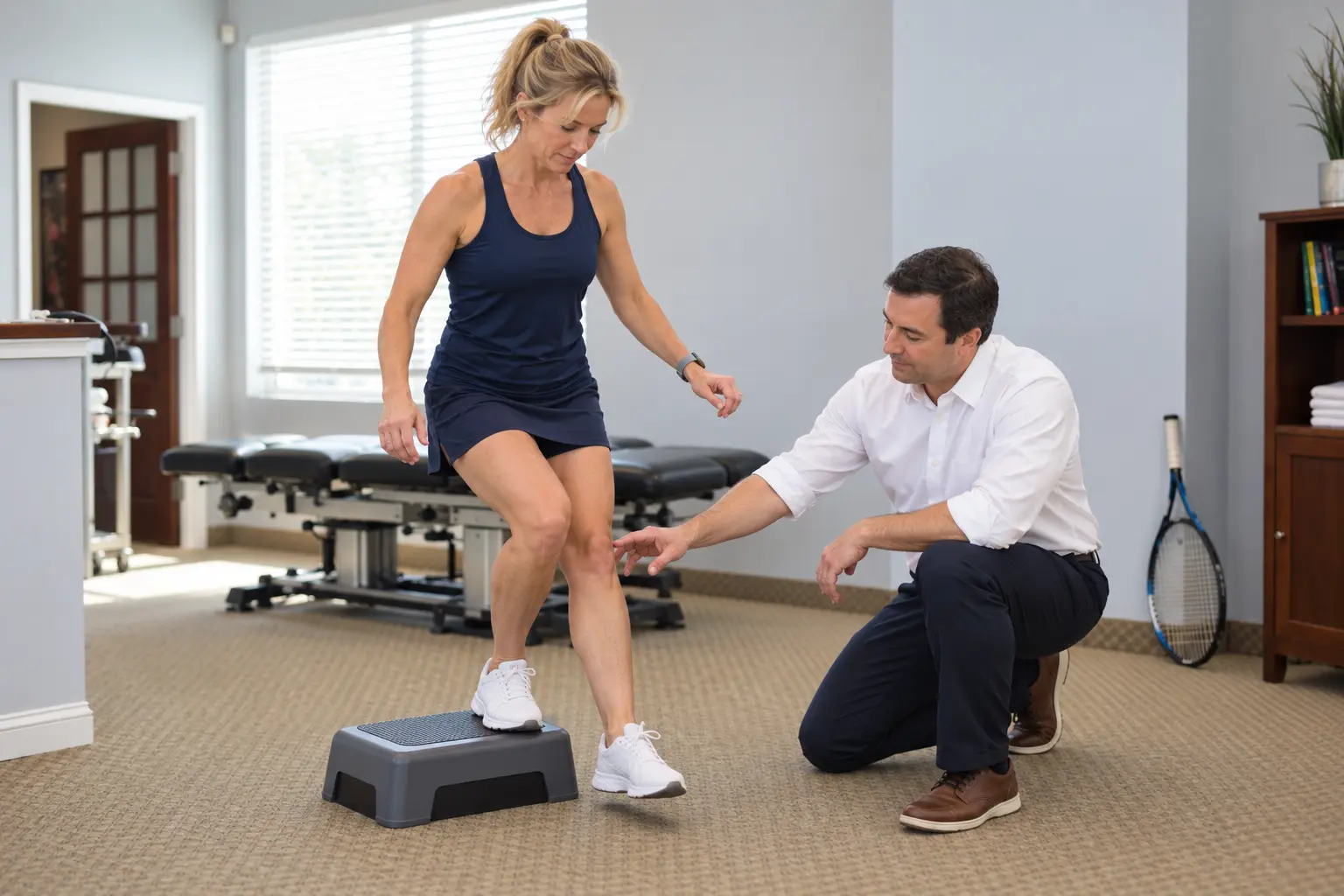
Over time, poor mechanics can contribute to chronic issues that require structured care like sports rehabilitation to correct movement patterns and restore efficiency.
3. Skipping Strength and Mobility Work
Running alone doesn’t build balanced strength.
Without proper support from stabilizing muscles, runners are more prone to:
- Knee pain
- Hip instability
- Lower back strain
Weak glutes, tight hip flexors, and poor core activation are especially common in runners.
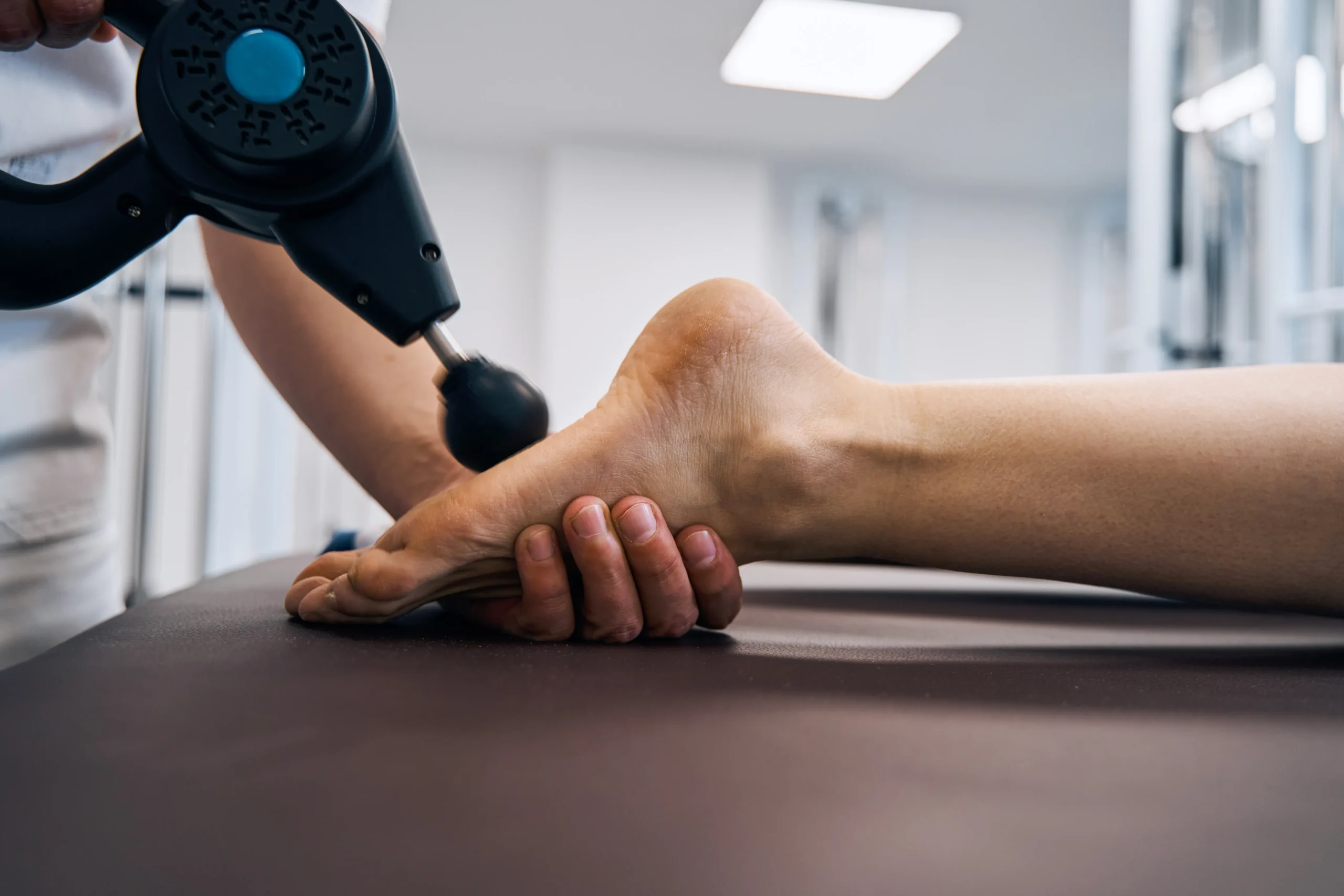
This is why many athletes benefit from combining running with targeted care like soft tissue release therapy and mobility-focused treatment to maintain flexibility and proper muscle function.
4. Increasing Mileage Too Quickly
One of the fastest ways to get injured is ramping up mileage too aggressively.
Many runners in Raleigh increase distance or intensity too quickly when:
- Training for a race
- Getting back into running
- Trying to improve performance
The body needs time to adapt. Without gradual progression, tissues become overloaded — leading to inflammation and breakdown.
Overuse injuries often require therapies such as shockwave therapy or K-Laser therapy to promote healing and reduce inflammation.
5. Ignoring Biomechanical Imbalances
Even small imbalances can lead to big problems over time.
Examples include:
- Uneven hip alignment
- Leg length differences
- Foot instability
- Pelvic tilt
These issues affect how force is distributed with each step — often causing pain that seems to “move” around the body.
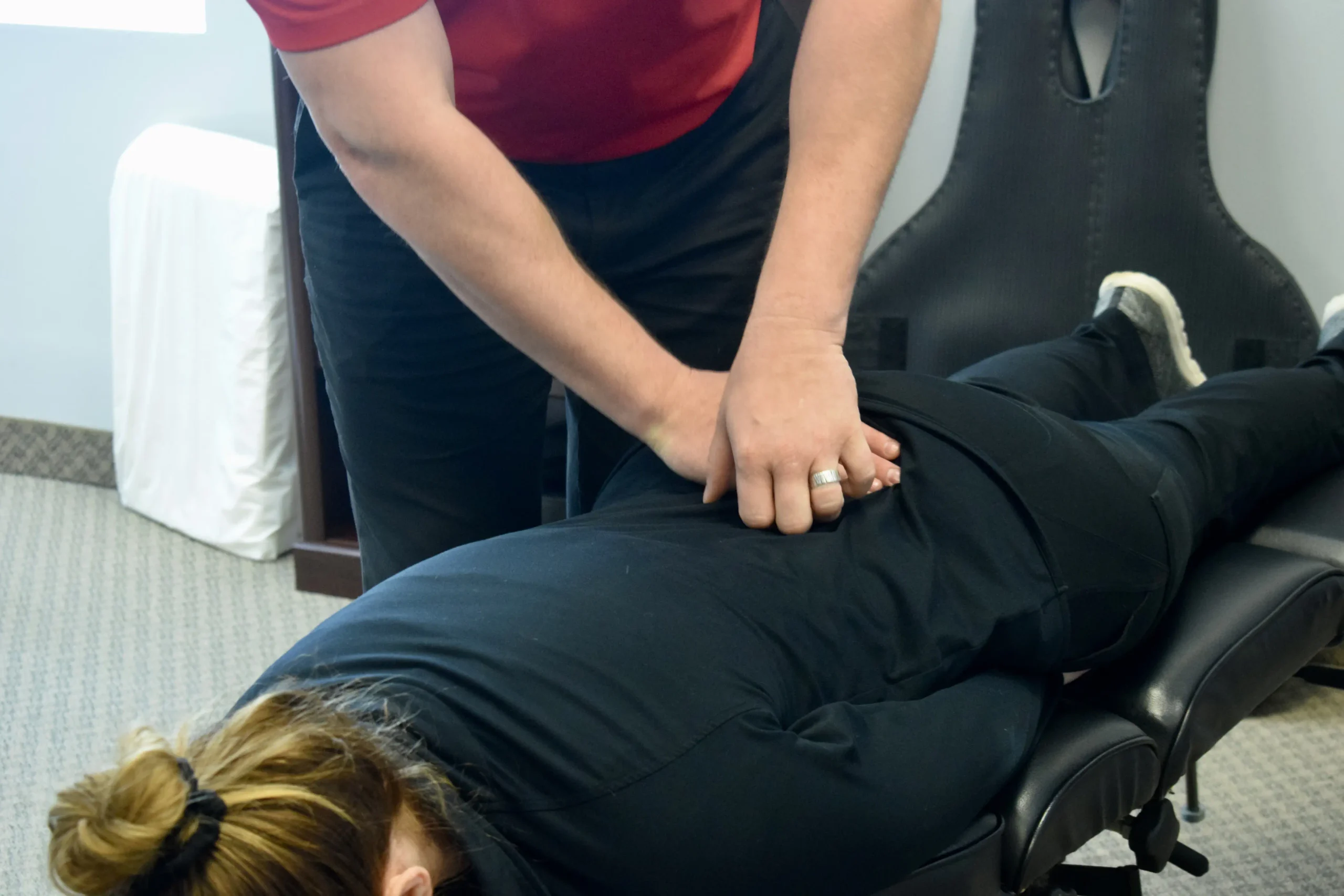
Runners dealing with these patterns often benefit from structural correction methods like spinal re-engineering and chiropractic adjustments to restore proper alignment.
6. Wearing the Wrong Footwear
Your shoes matter more than you think.
Worn-out or improper footwear can:
- Alter your gait
- Increase impact stress
- Reduce stability
Many runners don’t realize their shoes are contributing to pain until symptoms become persistent.
Supportive solutions like custom orthotics can help improve foot mechanics, reduce strain, and enhance overall running efficiency.
7. Neglecting Recovery
Recovery is just as important as training.
Without proper recovery, the body doesn’t have time to repair and adapt. This can lead to:
- Chronic inflammation
- Muscle fatigue
- Increased injury risk
Runners who don’t prioritize recovery often experience recurring issues that require care for joint pain or ongoing muscle tension.
Incorporating rest, mobility work, and recovery-focused therapies can help prevent long-term problems.
8. Running Through Posture Problems
Posture isn’t just a standing issue — it affects how you run.
Poor posture can lead to:
- Forward head positioning
- Rounded shoulders
- Improper spinal alignment
This creates additional strain on the neck, back, and hips.
Many runners dealing with discomfort benefit from targeted posture correction to improve alignment and reduce stress during movement.
9. Overlooking Past Injuries
Old injuries don’t just disappear.
Even if pain has gone away, the body may still be compensating — which increases the risk of new injuries.
Common examples include:
- Previous ankle sprains
- Old knee injuries
- Past car accidents
These can create movement imbalances that affect running mechanics. Patients with lingering issues often require evaluation for sports injuries or even auto accident injuries if trauma was involved.
10. Waiting Too Long to Get Help
Many runners wait until pain becomes severe before seeking care.
By that point, the issue is often more complex and takes longer to resolve.
Early evaluation can:
- Identify imbalances
- Prevent worsening symptoms
- Speed up recovery
Runners in Raleigh and Wake Forest can get proactive care by visiting the Raleigh chiropractic office or the Wake Forest location for a personalized assessment.
Why Running Injuries Are So Common in Raleigh
Raleigh’s active lifestyle is a big advantage — but it also increases injury risk.
Local factors include:
- High running volume on greenways
- Year-round training due to mild climate
- Frequent races and events
- Mix of recreational and competitive runners
Without proper recovery and structural care, these factors can lead to overuse injuries and chronic pain patterns.
How Chiropractic Care Helps Runners Stay Injury-Free
At Team Chiropractic & Sports Medicine, care is designed specifically for active individuals.
The goal isn’t just to treat injuries — it’s to prevent them.
Care often includes:
- Chiropractic adjustments to restore alignment
- Soft tissue therapy to reduce muscle tension
- Sports rehabilitation to improve movement
- Advanced therapies like K-Laser and shockwave therapy for recovery
This integrated approach helps runners:
- Improve performance
- Reduce injury risk
- Recover faster
- Maintain long-term mobility
Final Thoughts
Running injuries don’t usually happen overnight — they build over time through small, repeated mistakes.
The good news is that most of these mistakes are preventable.
By paying attention to your body, improving movement patterns, and addressing imbalances early, you can stay consistent, avoid setbacks, and enjoy running without pain.
If you’re experiencing discomfort or want to prevent future injuries, Team Chiropractic & Sports Medicine provides structured, non-surgical care designed for runners in Raleigh and Wake Forest.
You can take the next step by scheduling an appointment or reaching out through the contact page.