
Soft Tissue Release Therapy in Raleigh & Wakefield, NC
Team Chiropractic provides targeted soft tissue therapy for muscle tension, restricted movement, overuse problems, and injury recovery. Each recommendation is based on your symptoms, health history, examination findings, and individual activity goals.
Get in Touch
What Is Soft Tissue Release Therapy?
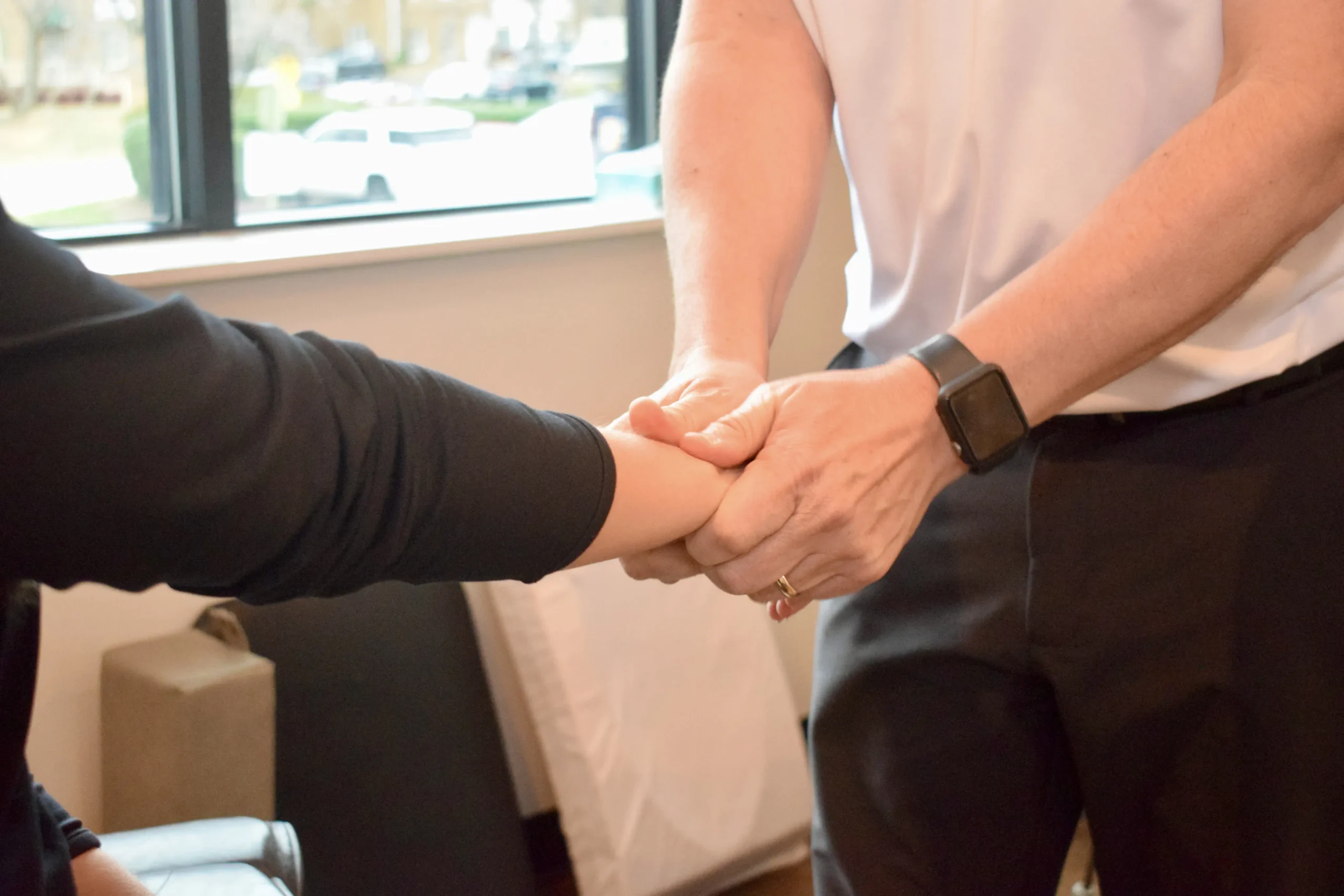
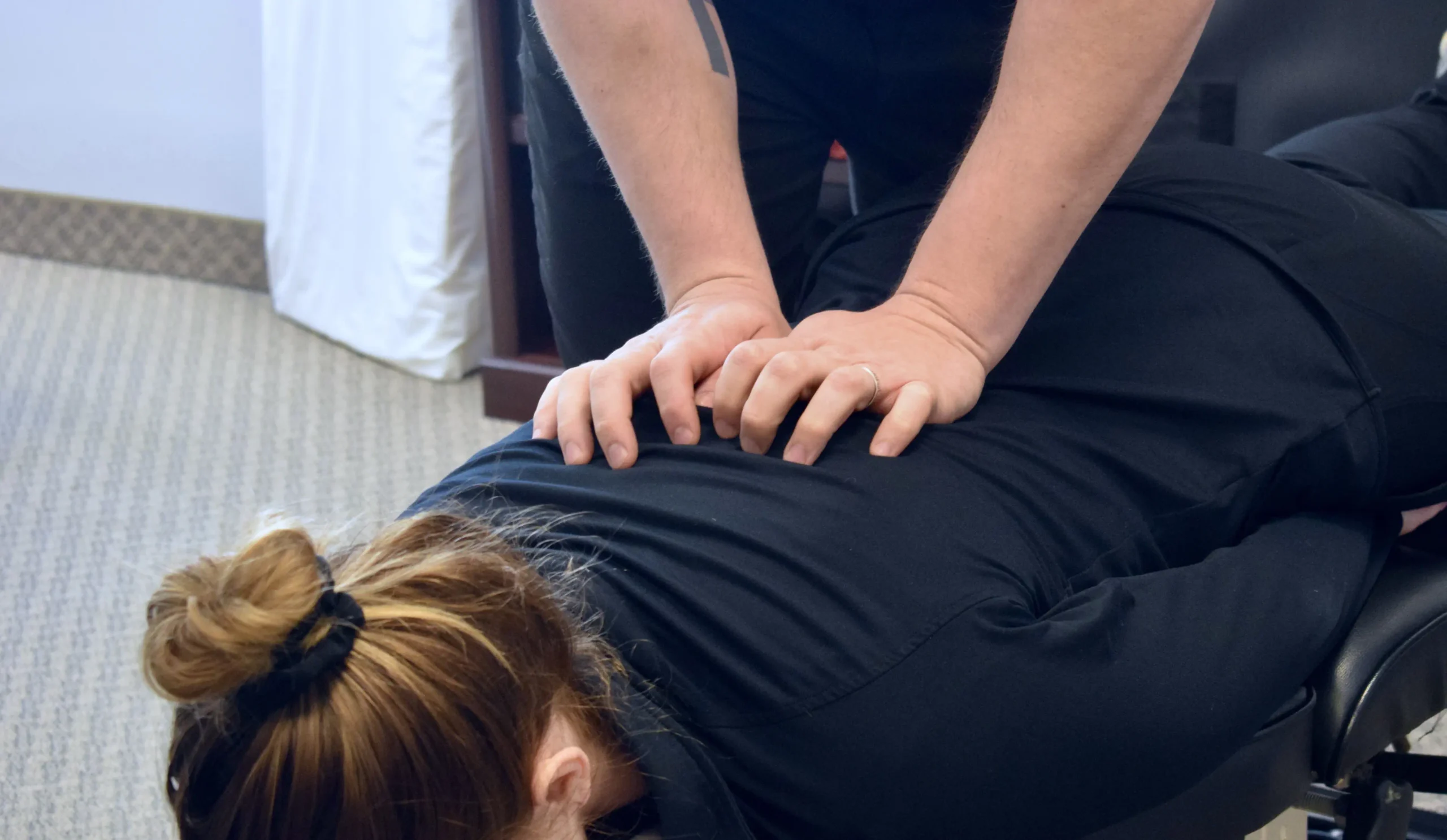
Soft tissue release is a targeted, hands-on treatment applied to muscles, fascia, tendons, and other appropriate connective tissues. It may be incorporated into care when tension, tenderness, or restricted movement appears to be contributing to a musculoskeletal problem.
Depending on the area and treatment goal, the provider may apply pressure while the patient remains still or moves the affected body part through a controlled range of motion.
Soft tissue release may be used to:
- Address localized muscle tension or tenderness
- Work with areas commonly described as muscle knots or trigger points
- Improve comfort during a restricted movement
- Support recovery from selected strains and overuse problems
- Complement chiropractic adjustments or rehabilitation
- Help an injured area gradually tolerate activity again
- Address muscular factors associated with neck, back, shoulder, hip, or extremity discomfort
Soft tissue release is not a generic treatment for every painful area. The location, technique, pressure, and movement used should reflect the patient’s evaluation and tolerance.
Understanding Muscle Adhesions and Restricted Soft Tissue
People frequently use terms such as “adhesion,” “muscle knot,” “tight fascia,” or “scar tissue” to describe a painful area that feels stiff, tender, or difficult to move. These terms can be useful descriptions, but they do not always identify the exact reason an area hurts.
Restricted or uncomfortable movement may involve:
- Protective muscle guarding following an injury
- Repetitive loading from work, exercise, or sport
- Localized tenderness within a muscle
- Reduced tolerance to stretching or contraction
- Changes following a strain, surgery, or period of limited activity
- Fascia, tendons, or other connective tissues
- A nearby joint or nerve rather than the muscle itself
- Increased sensitivity after symptoms have persisted
True scar tissue can develop after an injury or surgery, but not every tight or tender area contains scar tissue that must be physically “broken apart.” Applying more pressure is not automatically more effective.
Team Chiropractic evaluates how the area feels, how it moves, and what activities reproduce the symptoms before recommending adhesion release or another soft tissue technique. The goal is to support more comfortable movement and function, not force the tissue into a particular state.
What Can Soft Tissue Release Therapy Address?
Neck and Shoulder Tension
Back and Hip Tightness
Sports and Overuse Injuries
Extremity and Tendon-Related Concerns
How Does Soft Tissue Release Work?
The Restricted Area Is Identified
Your provider examines the symptomatic area and observes the movements that affect it. This helps determine where treatment should be directed.
Targeted Pressure Is Applied
Controlled pressure may be applied with the hands or another appropriate technique. The intensity should reflect the area and your tolerance.
Pressure May Be Combined With Movement
You may be asked to slowly lengthen, contract, or move the treated area. Movement helps make the technique specific to the activity being addressed.
Mobility and Symptoms Are Reassessed
After treatment, the provider may repeat a relevant movement or test. Your response helps guide the next step in care.
What Is the Difference Between Soft Tissue Release and Massage Therapy?
Soft tissue release and massage both involve hands-on contact with muscles and connective tissues, but the terms do not describe exactly the same service.
Massage therapy is a broad profession that includes relaxation massage, sports massage, therapeutic massage, and other approaches. Depending on the massage therapist’s training and the patient’s goals, massage may focus on relaxation, general muscle soreness, stress management, recovery, or a specific musculoskeletal concern.
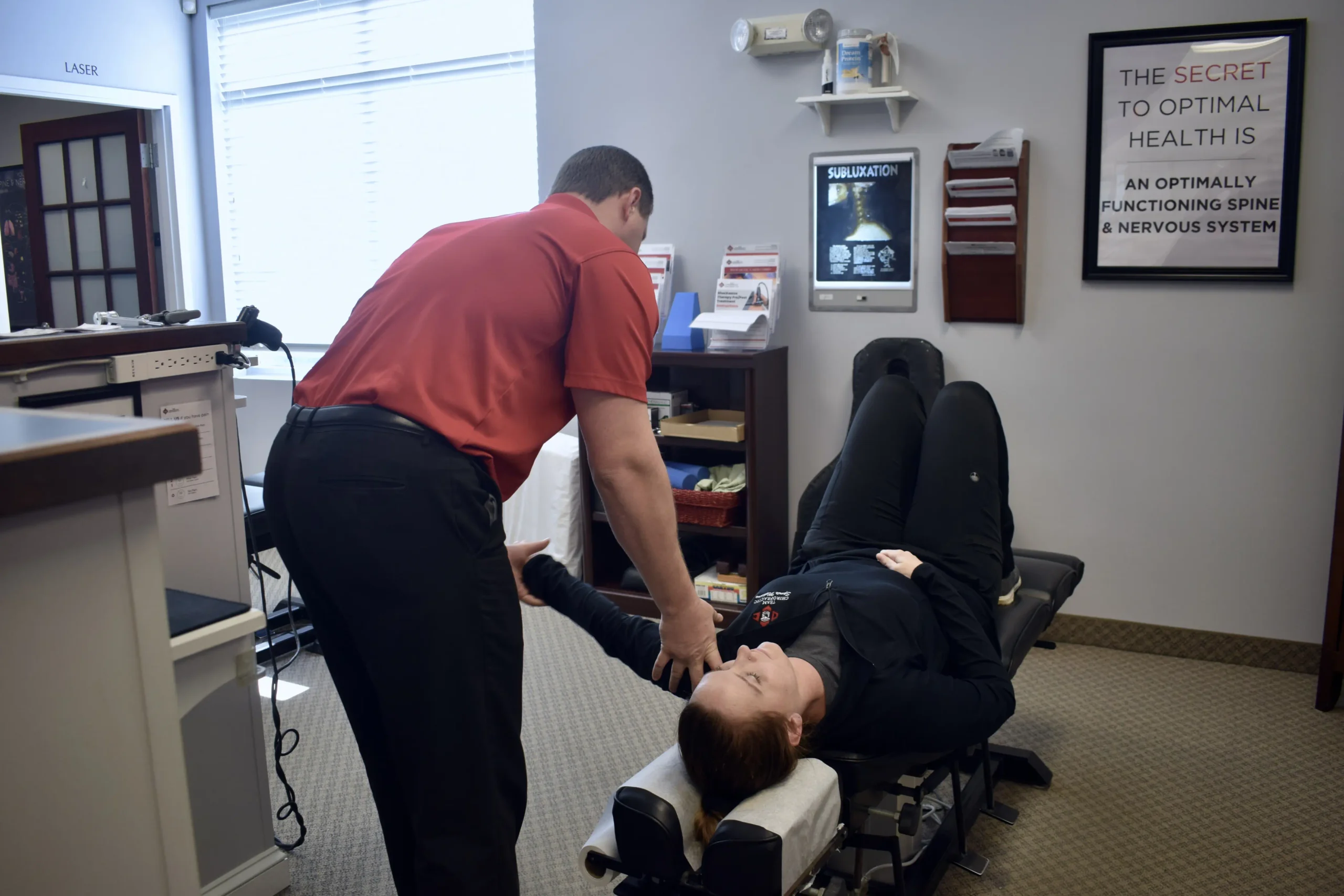
Soft tissue release at Team Chiropractic is incorporated into a clinical care plan after evaluating a particular symptom or movement problem. The treatment is directed toward an identified area and may combine pressure with controlled movement, stretching, or contraction.
The purpose is not to claim that soft tissue release is universally better than massage. A person seeking relaxation or general wellness may prefer massage, while someone with a specific injury, recurring restriction, or movement-related symptom may benefit from a targeted musculoskeletal evaluation.
Some conditions may also require rehabilitation, chiropractic care, imaging, or medical evaluation rather than either service alone.
Does Soft Tissue Release Hurt?
Soft tissue release can produce pressure, stretching, or temporary tenderness, particularly when treatment is applied to an already sensitive area. The sensation may be noticeable, but treatment should not be based on the idea that more pain creates better results.
Tell your provider if you experience sharp pain, burning, numbness, tingling, or discomfort that feels excessive. The pressure, position, movement, or technique can often be modified.
Some patients experience temporary soreness after treatment, similar to the way a muscle may feel after unfamiliar activity. Mild redness or sensitivity may also occur. The provider should explain what reactions may be expected and which changes should be reported.
You should not be expected to remain silent or push through significant discomfort. Ongoing communication allows the treatment to be adapted to your body and response.
How Team Chiropractic Evaluates Soft Tissue Concerns
Symptom and Health History
We discuss when the problem began, what aggravates it, previous injuries, medical conditions, medications, and treatments already attempted.
Tissue and Tenderness Assessment
Your doctor may examine muscles, tendons, fascia, swelling, sensitivity, and nearby structures to identify which areas appear relevant.
Movement and Function Testing
The evaluation may include mobility, strength, balance, walking, lifting, or activity-specific movements connected to your symptoms.
Personalized Recommendations
Your doctor explains whether soft tissue release, another service, rehabilitation, imaging, or referral appears appropriate.
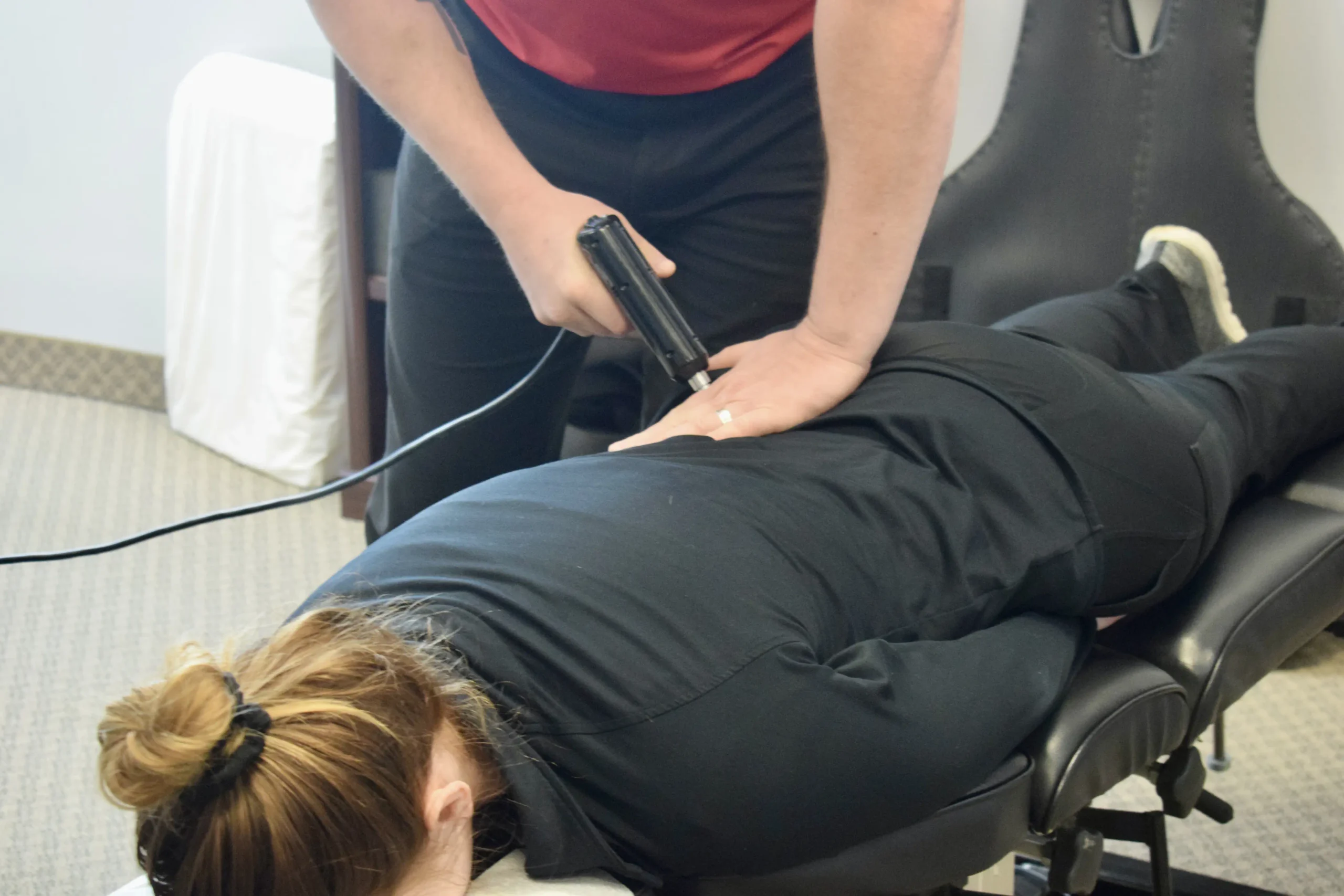
Conditions That May Involve Soft Tissue Pain or Restriction
Back Pain
Lower, middle, or upper-back discomfort may involve muscles, joints, discs, nerves, or a combination of factors. Soft tissue release may be incorporated when muscle tension or restricted movement appears relevant to the findings.
Neck Pain
Neck pain may occur alongside shoulder tension, reduced range of motion, headaches, posture-related strain, or previous injury. An evaluation helps distinguish muscular tenderness from symptoms requiring another approach.
Sports Injuries
Strains, repetitive loading, and incomplete recovery can affect both performance and everyday movement. Soft tissue release may form one part of a broader sports injury plan that includes progressive rehabilitation.
Joint Pain
Pain around the shoulders, elbows, hips, knees, or ankles may be influenced by nearby muscles and tendons, but the joint itself may also require evaluation. Treatment is selected according to the structures and movements involved.
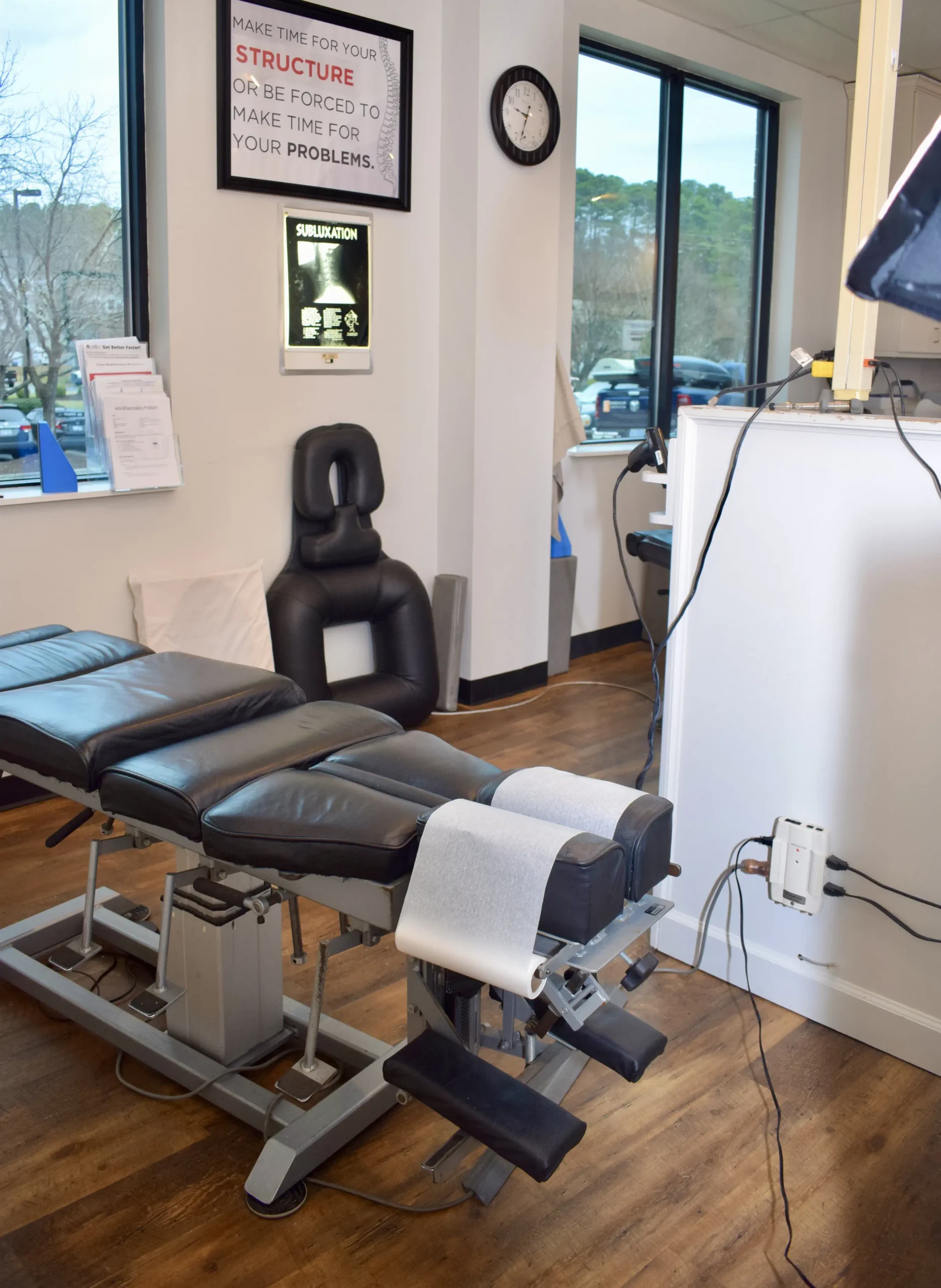
Supporting Recovery After Soft Tissue Release
Soft tissue release may help an area move more comfortably, but lasting progress often depends on how that area is loaded between appointments. Your recommendations should reflect the condition, activity level, health history, and treatment response.
Your provider may recommend that you:
- Continue normal daily movement when it can be completed comfortably.
- Temporarily modify an activity that repeatedly aggravates the treated area.
- Complete only the stretches or exercises recommended for your condition.
- Gradually rebuild strength and activity tolerance rather than returning to full intensity immediately.
- Avoid aggressively pressing, scraping, or rolling a sore area after treatment.
- Use heat, cold, or another home strategy only when it has been recommended for you.
- Monitor how the area responds later that day and the following day.
- Report unusual swelling, bruising, numbness, weakness, or worsening pain.
- Maintain normal hydration rather than assuming excessive water is required to “flush toxins” from the tissue.
The goal is not to avoid movement indefinitely. When appropriate, controlled movement and progressive loading help prepare the area to tolerate work, exercise, or sport again.
How Many Soft Tissue Release Sessions Will You Need?
There is no standard number of soft tissue release appointments for every patient. The recommended timeline depends on the condition, symptom duration, health history, daily demands, previous injuries, and response to treatment.
A recent muscle strain may require a different approach than recurring neck tension, post-surgical restriction, or a long-standing sports injury. Some patients receive soft tissue release during a limited phase of care, while others may have it incorporated periodically as rehabilitation progresses.
Team Chiropractic will monitor changes in tenderness, mobility, strength, activity tolerance, and the movements connected to your symptoms. If treatment is not producing meaningful progress, the plan should be reconsidered rather than continued automatically.
Soft tissue release should also have a clear purpose. Your goal may be turning your head more comfortably, reaching overhead, walking, lifting, returning to exercise, or tolerating a work task with less difficulty.
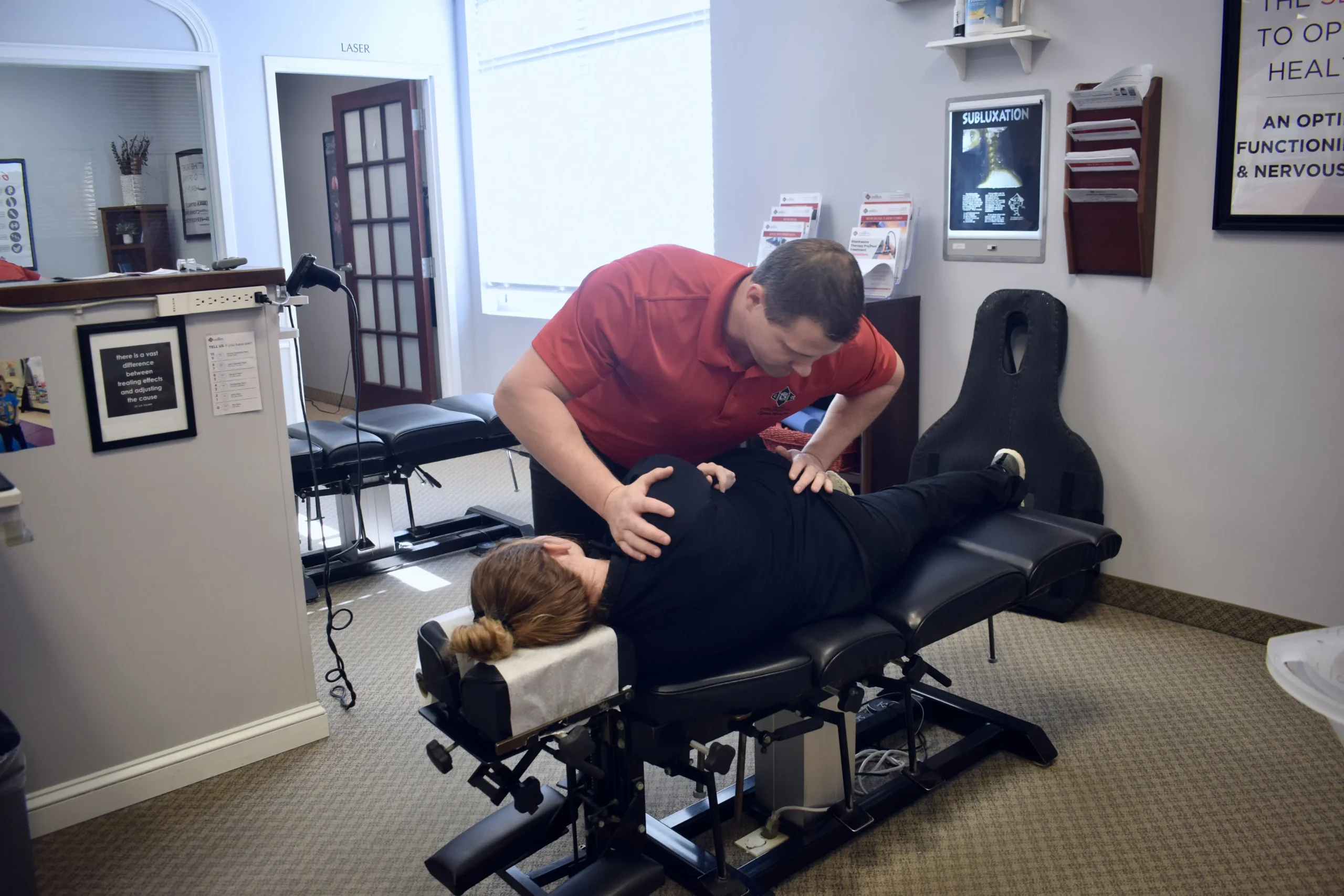
When Soft Tissue Treatment Should Be Modified or Postponed
Soft tissue release is generally noninvasive, but applying manual pressure is not appropriate for every person, medical condition, or body area. Temporary tenderness, soreness, redness, or mild bruising may occur following treatment.
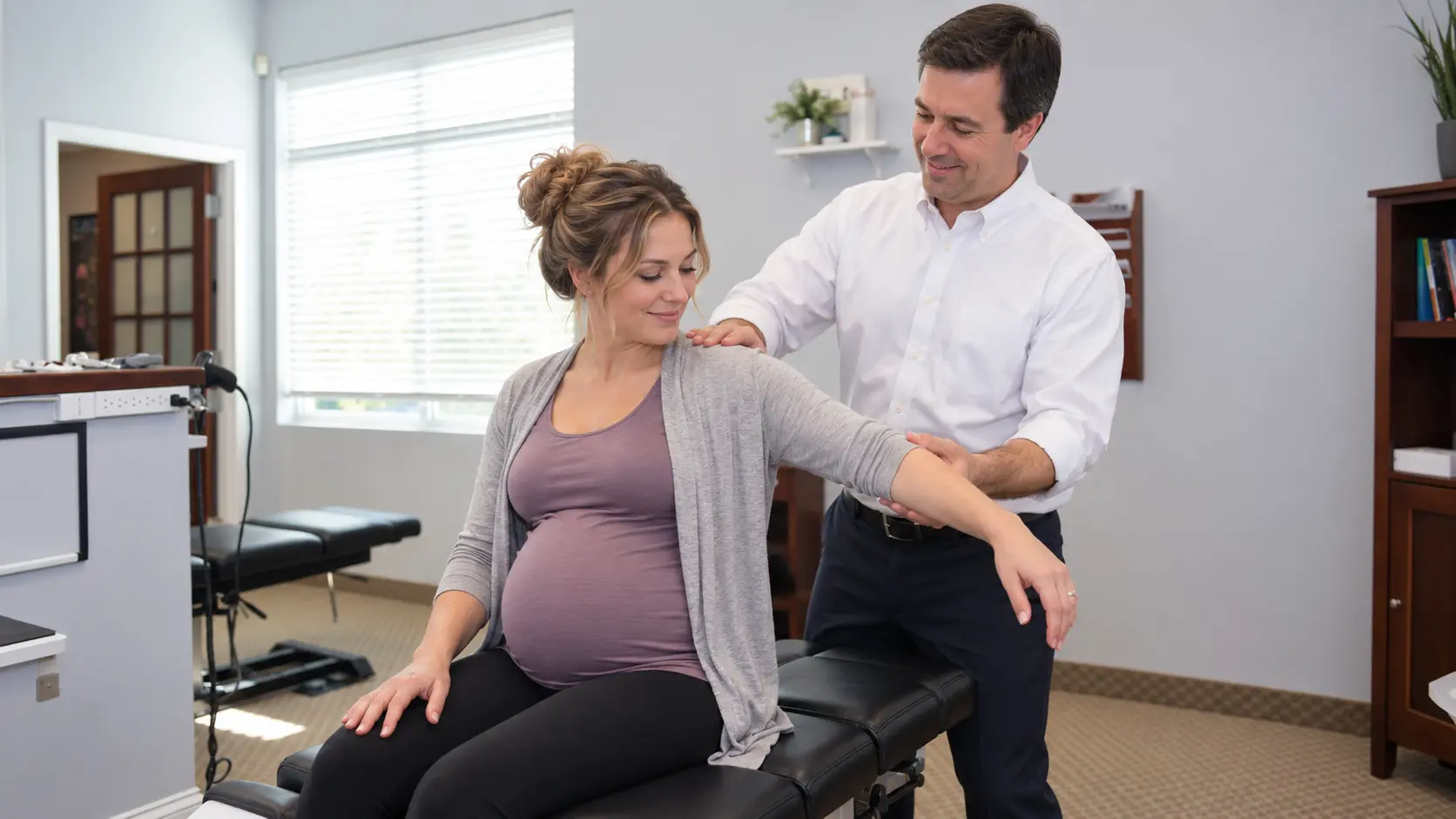
Tell Team Chiropractic about anticoagulant medications, bleeding or clotting disorders, osteoporosis, recent surgery, pregnancy, cancer, skin conditions, circulation problems, loss of sensation, and other significant health concerns. Treatment may need to be modified, postponed, or cleared by another healthcare provider.
Direct pressure should generally be avoided over an open wound, active skin infection, suspected fracture, acute blood clot, unexplained lump, or recently injured area that has not been properly evaluated.
Soft tissue treatment should not delay necessary medical attention. Seek prompt evaluation for major trauma, rapidly increasing swelling, substantial bruising without a known cause, fever, progressive numbness or weakness, loss of coordination, chest pain, difficulty breathing, or severe and unfamiliar pain.
Team Chiropractic may recommend imaging, coordinate with another healthcare provider, or refer you for medical care when the findings fall outside the appropriate scope of conservative treatment.
Why Choose Team Chiropractic for Soft Tissue Release?
Evaluation Before Treatment
We first consider your symptoms, history, movement, and the tissues that may be contributing.
Individualized Pressure and Technique
Treatment intensity and movement are adjusted according to the area, condition, and your feedback.
Integrated Care Options
Soft tissue release may be coordinated with chiropractic care, rehabilitation, or another service when appropriate.
Experienced Local Doctors
Team Chiropractic has served Raleigh-area patients for more than 30 years through its Raleigh and Wakefield offices.
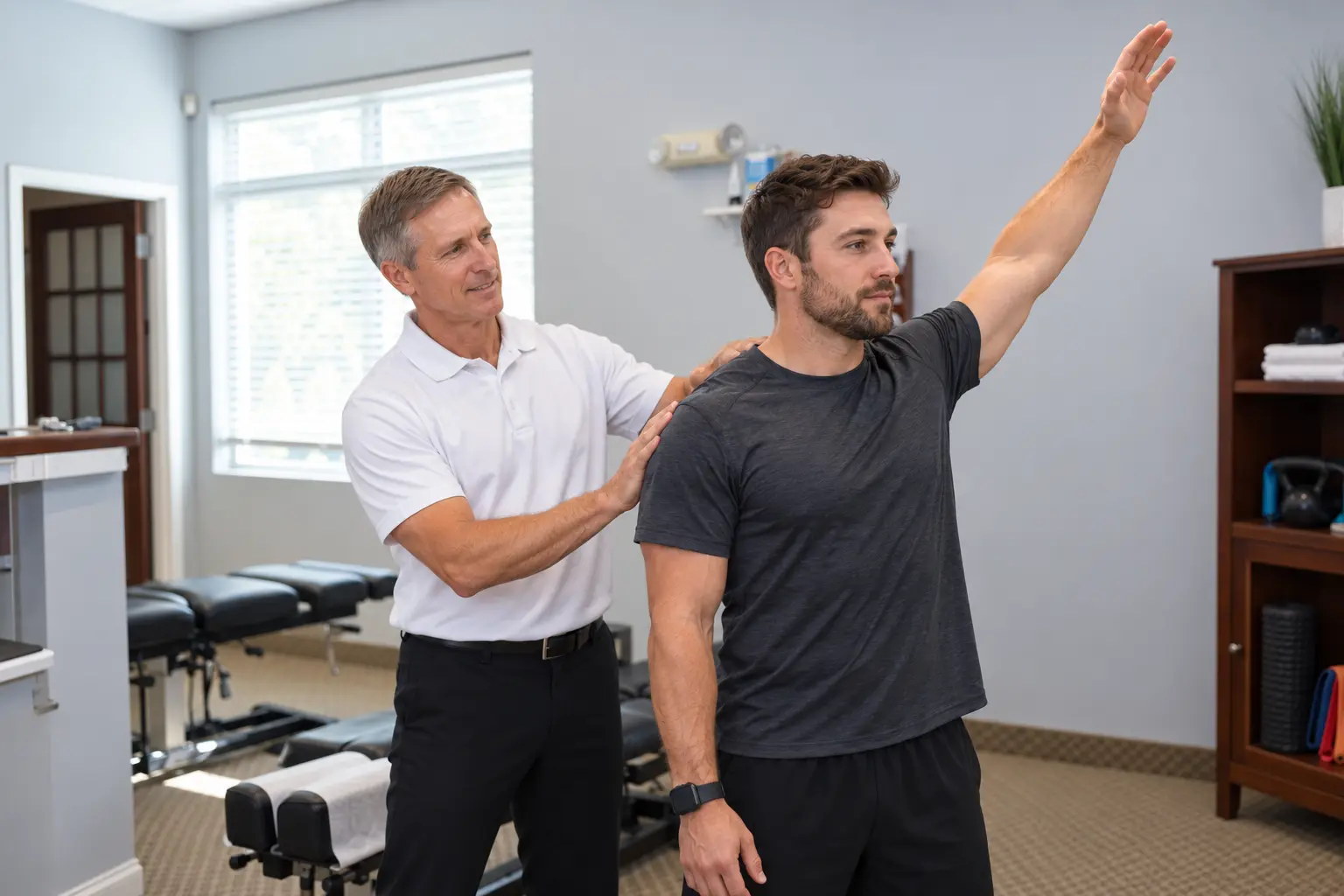
Schedule Today!
Tuesday: 7:30AM–12PM & 3PM–6PM
Wednesday: 7:30AM–12PM
Thursday: 7:30–12PM & 3PM–6PM
Friday: 7:30AM–12PM
Saturday & Sunday: Closed
Services That May Complement Soft Tissue Release
Chiropractic Adjustments
Chiropractic adjustments use controlled movements to address restricted joints and support mobility. They may complement soft tissue release when both joint motion and surrounding muscular tension appear relevant.
Sports Rehabilitation
Sports rehabilitation may include individualized mobility, strength, stability, and progressive loading exercises. This active component can help prepare the treated tissue for a gradual return to work, exercise, or sport.
K-Laser Therapy
K-Laser therapy applies therapeutic light energy to a targeted area. Your doctor will determine whether it may be an appropriate supportive treatment based on the tissue involved and your health history.
Shockwave Therapy
Shockwave therapy applies mechanical pressure waves to selected tendon, fascia, and soft-tissue concerns. It may be considered for certain persistent problems that require a different approach from hands-on soft tissue treatment.
FAQs About Soft Tissue Release
What is soft tissue release therapy?
Soft tissue release is a targeted manual treatment applied to muscles, fascia, tendons, and other appropriate connective tissues. Pressure may be combined with controlled movement to address an identified area of tenderness or restriction.
Is soft tissue release the same as massage?
Not exactly. Massage is a broad profession that includes relaxation, therapeutic, and sports-focused techniques. Soft tissue release at Team Chiropractic is incorporated into a clinical care plan for a specific musculoskeletal symptom or movement problem.
What is a muscle adhesion?
“Muscle adhesion” is a commonly used term for an area that feels stiff, tender, or restricted. However, not every painful area contains a physical adhesion or scar tissue. An evaluation can help identify the tissues and movements that appear relevant.
Can soft tissue release help muscle knots?
Soft tissue release may be considered for localized areas commonly described as muscle knots or trigger points. Because tenderness can arise from different tissues and conditions, the painful area should be evaluated before treatment.
Does soft tissue release hurt?
Treatment may create pressure, stretching, or temporary tenderness. It should not require you to tolerate excessive pain, and the pressure or technique can often be modified according to your response.
Can soft tissue release break up scar tissue?
Manual treatment may be used to support mobility in an area affected by a previous injury or surgery, but “breaking up scar tissue” is an oversimplified description. Scar tissue varies, and aggressive pressure is not always appropriate or effective.
What conditions may benefit from soft tissue therapy?
Soft tissue release may be considered for selected cases of neck or shoulder tension, back or hip tightness, sports injuries, muscle strains, overuse concerns, and restricted movement. An evaluation is needed to determine whether the symptoms are primarily muscular or involve another structure.
How many soft tissue release sessions will I need?
There is no universal number. The timeline depends on your condition, symptom duration, activity demands, health history, treatment response, and whether rehabilitation or another service is included.
Will I be sore after soft tissue release?
Temporary soreness, tenderness, redness, or mild bruising may occur. Contact the office if symptoms are severe, continue to worsen, or include substantial swelling, numbness, weakness, or another concerning change.
Can I exercise after soft tissue release?
That depends on the tissue treated, condition, exercise, and your response. Your provider may recommend normal activity, temporary modification, or a gradual return to loading.
Is soft tissue release combined with chiropractic adjustments?
It may be. Soft tissue release can address muscular or connective-tissue factors, while adjustments address selected joint restrictions. Your evaluation determines whether either or both services are appropriate.
Is soft tissue release available at both Team Chiropractic locations?
Team Chiropractic serves patients through its Raleigh office on West Millbrook Road and Wakefield office near Wake Forest. Contact your preferred office to confirm current soft tissue release scheduling and provider availability.
Does the free consultation include soft tissue release treatment?
No. The free consultation provides an opportunity to discuss your concerns and determine whether Team Chiropractic may be an appropriate place to begin. Examination, imaging, soft tissue release, and other treatment are separate services.